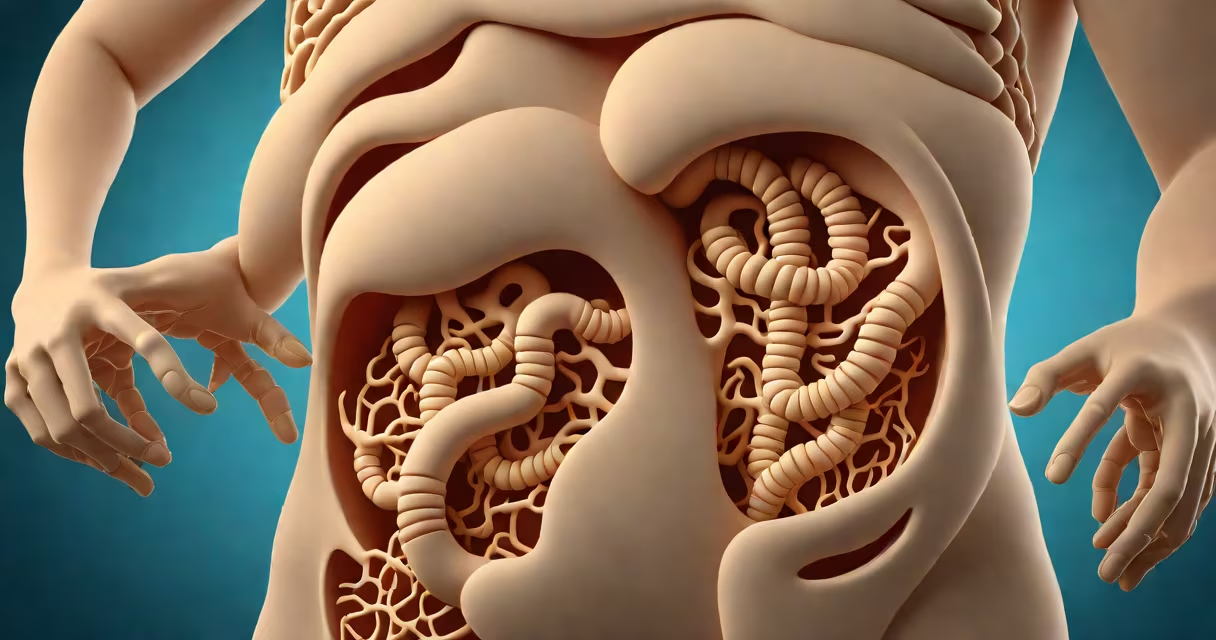
Frequent gassing-repeated passing of intestinal gas-is primarily caused by swallowed air, bacterial breakdown of undigested carbohydrates in the colon, or underlying gastrointestinal disorders. It occurs when gas production exceeds the body's ability to expel it efficiently, leading to bloating, discomfort, and audible flatulence.
Gas forms during digestion when bacteria in the large intestine ferment fiber and certain sugars. Swallowed air during eating, drinking, or talking contributes another source. Common triggers include carbonated beverages, chewing gum, and rapid eating. When these processes exceed normal thresholds, symptoms intensify.
According to the American College of Gastroenterology, up to 75% of people experience gas-related symptoms monthly, with 15% reporting daily discomfort. The condition is rarely serious but can affect quality of life when persistent.
Gas enters the digestive system through two primary pathways: ingestion and microbial activity. Swallowed air accounts for about 20% of total gas volume. This happens when eating quickly, using straws, chewing gum, or drinking carbonated drinks. Air travels down the esophagus and into the stomach, where it may be belched or move into the intestines.
The majority of gas-about 80%-comes from bacterial fermentation in the large intestine. Undigested carbohydrates such as lactose, fructose, raffinose (found in beans and cruciferous vegetables), and sorbitol (in sugar-free products) reach the colon intact. Gut bacteria break them down, producing hydrogen, methane, and carbon dioxide as byproducts. These gases accumulate and are expelled via the rectum.
A 2021 study published in Gut Microbes found that individuals with higher levels of Bacteroides and Methanobrevibacter species produced more methane, correlating with increased flatulence frequency and bloating. This highlights the role of gut microbiome composition in gas generation.
Dietary choices are the most frequent cause of excessive gas. High-fiber foods like lentils, broccoli, cabbage, and whole grains increase fermentation. Dairy products trigger gas in people with lactose intolerance due to insufficient lactase enzyme. Similarly, fructose malabsorption affects those who cannot absorb excess fruit sugar.
Medical conditions also contribute. Irritable bowel syndrome (IBS) involves abnormal gut motility and heightened sensitivity, often worsening gas symptoms. Small intestinal bacterial overgrowth (SIBO) leads to early fermentation in the small intestine, causing gas before food reaches the colon. A 2020 review in Frontiers in Medicine linked SIBO to 60% of patients presenting with chronic bloating and flatulence.
Other contributors include swallowing disorders, acid reflux, and delayed gastric emptying. Some medications-especially antibiotics and laxatives-alter gut flora and promote gas formation. Chronic constipation can trap gas, increasing pressure and discomfort.
Not all gas is created equal. The main gases involved are nitrogen, oxygen, carbon dioxide, hydrogen, and methane. Nitrogen and oxygen come from swallowed air. Carbon dioxide results from chemical reactions in the stomach and from bacterial metabolism. Hydrogen and methane are solely microbial byproducts.
| Gas Type | Primary Source | Odor Contribution | Typical Symptoms |
|---|---|---|---|
| Carbon dioxide | Stomach acid reaction, fermentation | None | Burping, bloating |
| Hydrogen | Bacterial fermentation of carbs | Minimal | Flatulence, abdominal distension |
| Methane | Archaea in colon; linked to slow transit | None | Slower gas passage, increased bloating |
| Sulfur-containing gases | Protein breakdown (e.g., eggs, meat) | Strong, rotten egg smell | Unpleasant-smelling flatulence |
Sulfur-based gases are responsible for the strongest odor. Foods high in sulfur-such as red meat, dairy, garlic, onions, and cruciferous vegetables-can produce particularly pungent flatulence. This is due to hydrogen sulfide generated by sulfate-reducing bacteria in the colon.
Frequent gassing is not always a sign of poor hygiene or dietary laziness. It's a normal physiological process. However, many assume that all gas comes from the mouth or that burping equals bad breath. In reality, burping releases swallowed air, while flatulence reflects colonic fermentation.
Another misconception is that gas is purely "bad." The body produces gas continuously-even in healthy individuals. A 2019 study in European Journal of Clinical Nutrition measured average flatulence volume at 1.5 liters per day across 100 participants, with no correlation between gas volume and perceived social embarrassment.
Some believe that eliminating all gas-producing foods is necessary. That's not accurate. A balanced diet includes fermentable fibers essential for gut health. Instead of removal, gradual reduction and monitoring help identify personal triggers without compromising nutrition.
Consider a 34-year-old woman experiencing daily bloating and flatulence. She logs her intake for seven days. Her diet includes oatmeal with almond milk for breakfast, a salad with chickpeas for lunch, and stir-fried tofu with broccoli and brown rice for dinner. She drinks sparkling water and chews mint gum throughout the day.
Analysis reveals multiple triggers: chickpeas (high in raffinose), broccoli (fermentable fiber), brown rice (complex carbs), and carbonated water. Gum use increases swallowed air. Eliminating one variable at a time-first removing gum, then reducing broth and legumes-leads to a 60% reduction in symptoms over two weeks.
Frequent gassing becomes concerning when accompanied by weight loss, blood in stool, persistent diarrhea, or severe pain. These signs may indicate inflammatory bowel disease, celiac disease, or colorectal cancer. The National Institute of Diabetes and Digestive and Kidney Diseases recommends evaluation if symptoms last longer than four weeks despite dietary changes.
Testing options include breath tests for lactose or fructose intolerance, hydrogen/methane breath tests for SIBO, and stool analysis for fat malabsorption. A gastroenterologist may perform endoscopy if structural issues are suspected.
I once observed a patient whose symptoms improved only after switching from a low-FODMAP diet to targeted probiotics. The initial restriction reduced gas, but long-term relief came from restoring microbial balance-not avoidance.
Simple lifestyle adjustments reduce gas volume. Eat slowly, avoid straws and gum, and limit carbonated drinks. Keep a food diary to track patterns. Gradually introduce high-fiber foods to allow gut adaptation.
Over-the-counter enzymes like lactase supplements or alpha-galactosidase (found in Beano) can help digest problematic carbohydrates. Probiotics containing Bifidobacterium and Lactobacillus strains have shown modest benefit in reducing flatulence in controlled trials.
For persistent cases, consult a registered dietitian specializing in gastrointestinal nutrition. They can guide a structured elimination diet, such as the low-FODMAP protocol, which has demonstrated effectiveness in reducing gas and bloating in 70% of IBS patients.
Understanding what causes frequent gassing begins with recognizing that gas is natural. The issue arises when production outpaces expulsion or when sensitivity amplifies perception. Addressing root causes-whether dietary, microbial, or medical-leads to meaningful relief.