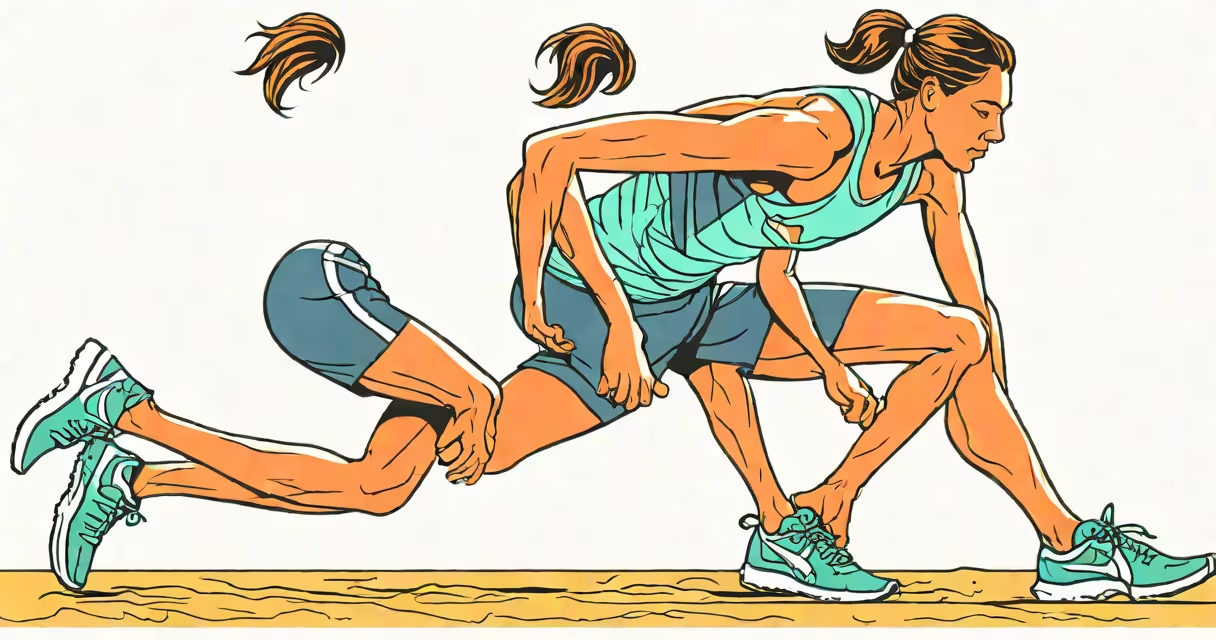
Whole body sore after running refers to generalized muscle discomfort that develops 12 to 48 hours after a run, caused by microscopic damage to muscle fibers during intense or unfamiliar activity. This soreness is not due to lactic acid buildup, which clears within minutes after exercise.
The sensation typically begins in the legs but can spread to the arms, core, and even the neck, especially after long runs or high-intensity sessions. It results from inflammation and repair processes in muscle tissue, not from toxins or waste products accumulating in the bloodstream.
According to the American Council on Exercise (ACE), delayed onset muscle soreness (DOMS) peaks around 24-72 hours post-exercise and resolves within five days. DOMS affects people of all fitness levels, particularly when increasing mileage, intensity, or incorporating new movements like hill repeats or sprint intervals.
When you run, especially at higher intensities or longer durations than usual, your muscle fibers undergo small tears. These microtraumas trigger an inflammatory response involving immune cells like neutrophils and macrophages, which clean up damaged tissue and initiate repair.
Nerve endings in the muscles detect swelling and chemical changes, sending pain signals to the brain. This is why soreness often feels dull, achy, or tight rather than sharp. The sensation is not a warning sign of injury but part of the adaptation process that strengthens muscles over time.
A 2017 study published in the Journal of Strength and Conditioning Research confirmed that eccentric contractions-where muscles lengthen under load, such as during downhill running-cause more microtearing and subsequent soreness than concentric movements.
Soreness varies based on training type, duration, and individual conditioning. Here's how different running scenarios affect muscle recovery:
| Run Type | Primary Muscle Groups Affected | Common Soreness Pattern | Recovery Time |
|---|---|---|---|
| Long slow distance (LSD) | Quadriceps, hamstrings, calves | Generalized leg fatigue, mild lower back tension | 24-48 hours |
| Hill repeats | Glutes, quads, hip flexors | Deep ache in glutes and front of thighs, sometimes hip pain | 48-72 hours |
| Sprints or tempo runs | Calves, shins, core stabilizers | Burning in calves, tightness in lower legs, upper back strain | 24-72 hours |
| Trail or uneven terrain | Stabilizing muscles (ankles, hips, lower back) | Widespread joint and muscle stiffness, especially in feet and ankles | 48-96 hours |
Non-runners often assume soreness means progress. But excessive or prolonged soreness may indicate overtraining. The Mayo Clinic notes that persistent soreness beyond five days, especially with reduced performance, warrants rest and medical evaluation.
Many runners believe that soreness equals effective training. That's false. While some soreness indicates adaptation, severe or lasting soreness doesn't correlate with better fitness gains. In fact, research shows that moderate soreness leads to greater strength improvements than extreme soreness.
Another myth is that stretching prevents soreness. A 2011 meta-analysis in the British Journal of Sports Medicine found no significant reduction in DOMS from static stretching before or after running. Stretching improves flexibility and joint range of motion but doesn't reduce muscle damage.
Some confuse whole body sore after running with systemic illness. Fatigue, low-grade fever, or nausea are not typical of DOMS. If you feel unwell beyond muscle soreness-especially with swollen joints, rash, or extreme exhaustion-seek medical advice. These symptoms may indicate overtraining syndrome or an underlying condition.
In June 2023, a recreational runner completed her first 10-mile race after eight weeks of training. She ran at a steady pace, including two 1-mile hills. On Day 1 post-race, she reported tightness in her quads and calves. By Day 2, her hamstrings and lower back were tender. On Day 3, she felt stiffness in her shoulders and neck-likely from gripping the handlebars during the last mile.
She rested completely on Day 1, walked 10 minutes daily on Days 2 and 3, and did light yoga on Day 4. By Day 5, soreness had faded. Her recovery timeline aligns with ACE guidelines: most DOMS resolves within 72 hours with minimal intervention.
She later reflected: "I thought I needed to push through the pain. Instead, I learned that rest is part of training."
Whole body sore after running is normal after hard efforts. But if soreness lasts longer than five days, worsens with movement, or interferes with daily life, consider consulting a physical therapist. Chronic soreness may indicate overuse injuries like stress fractures or tendonitis.
Specific red flags include:
Whole body sore after running is a natural part of training adaptation. It reflects your body repairing itself after exertion. Understanding the difference between normal soreness and signs of overtraining helps you train smarter, recover faster, and avoid setbacks.