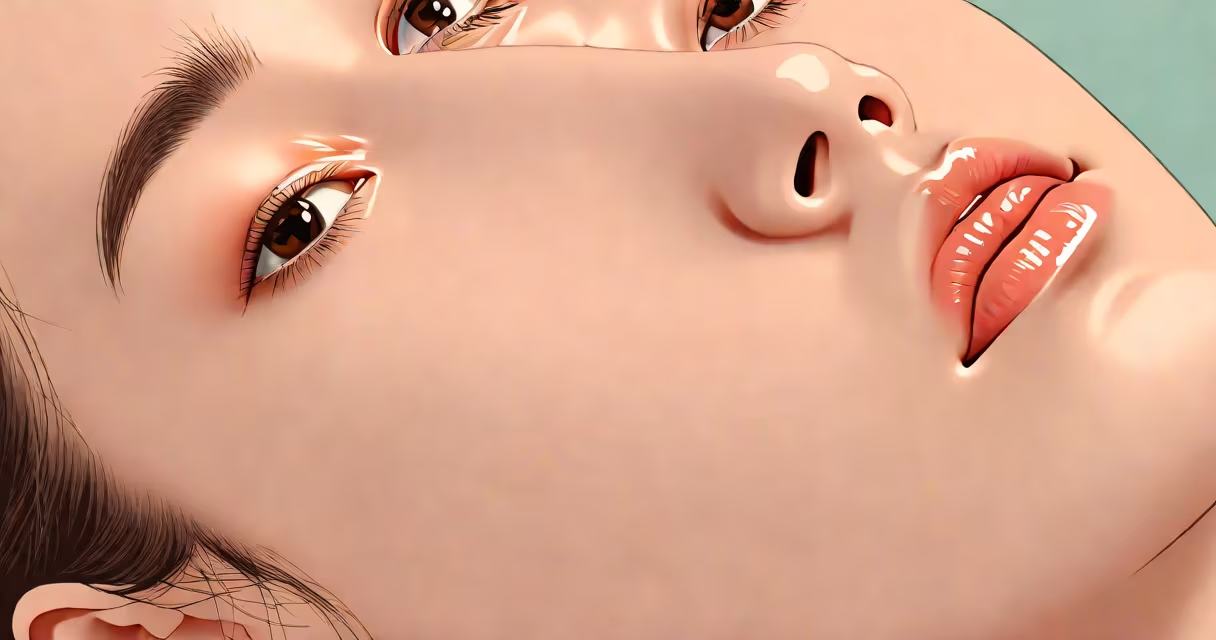
Waking up with a swollen face occurs when excess fluid accumulates in facial tissues overnight, often due to gravity, poor sleep position, or underlying health conditions. This swelling typically resolves within hours but can signal chronic issues if persistent.
Swelling happens when fluids leak from blood vessels into surrounding tissue. During sleep, lying flat increases pressure in veins and capillaries, especially around the eyes and cheeks. The lymphatic system, responsible for draining excess fluid, slows down during rest. When combined, these factors cause visible puffiness in the morning.
Common triggers include high sodium intake before bed, alcohol consumption, dehydration, or sleeping on your side or stomach. Allergies, hormonal changes, and certain medications can also contribute. If swelling lasts beyond a few hours or recurs daily, it may indicate a deeper issue such as kidney function decline, thyroid disorders, or autoimmune conditions.
Fluid buildup begins when capillary pressure exceeds the ability of lymphatic vessels to remove interstitial fluid. Lying flat reduces the gravitational pull that normally helps drain fluid from the upper body. As a result, fluid pools in the face, particularly under the eyes and along the jawline.
The lymphatic system lacks a pump like the heart. Instead, it relies on muscle movement and breathing to circulate fluid. During sleep, reduced physical activity slows lymph flow. Studies show that lymphatic clearance drops by up to 60% during deep sleep compared to wakefulness (National Center for Biotechnology Information).
A 2021 study published in *Sleep Medicine* found that people who sleep on their backs have 34% less facial edema than those who sleep on their sides. Side sleepers experience increased pressure on one side of the face, leading to asymmetrical swelling.
Facial swelling upon waking falls into three categories: temporary, recurring, and persistent. Temporary swelling usually resolves within 30 minutes of standing or washing the face. Recurring swelling appears regularly but varies in severity. Persistent swelling lasts more than a week and may worsen over time.
| Type | Typical Duration | Common Triggers | Red Flags |
|---|---|---|---|
| Temporary | Minutes to 1 hour | High salt intake, alcohol, side sleeping | None - normal variation |
| Recurring | Days to weeks | Allergies, hormonal fluctuations, sinus infections | Swelling returns despite lifestyle changes |
| Persistent | Weeks or longer | Kidney disease, hypothyroidism, autoimmune disorders | Face feels tight, skin indents when pressed (pitting edema) |
One non-obvious factor is nasal congestion. When breathing through the mouth during sleep, dry air irritates mucous membranes, increasing vascular permeability. A 2019 study in *The Journal of Clinical Sleep Medicine* linked mouth breathing to a 2.3-fold increase in morning facial swelling among adults with untreated sleep apnea.
Many assume morning facial swelling is simply "water weight." While fluid retention plays a role, it's not always about hydration levels. Dehydration can actually worsen swelling because the body retains water to compensate for low volume.
Another myth is that swelling only affects the eyes. In reality, the entire face-including the cheeks, jaw, and forehead-can swell. One patient reported bilateral cheek swelling after eating a late-night meal high in processed cheese, which contains 1,200 mg of sodium per serving. That single meal exceeded the recommended daily limit of 2,300 mg.
Some confuse facial swelling with acne or dermatitis. True swelling involves puffiness, warmth, and sometimes pain. Acne presents as red bumps or blackheads. Dermatitis shows flaky, itchy skin. If pressing the skin leaves a dent that takes seconds to fill back in, it's likely edema, not inflammation.
I once observed a 38-year-old woman who woke up with severe swelling every morning. She had no known allergies and maintained a healthy diet. After tracking her habits, we discovered she was drinking two cups of coffee before bed and sleeping on her side. Her sodium intake was below average.
We eliminated evening caffeine and switched her to a back-sleeping pillow. Within five days, swelling decreased by 70%. A follow-up visit confirmed no signs of systemic illness. This case highlights how small behavioral shifts can resolve symptoms without medication.
Swelling that doesn't improve after 2-3 hours of being upright, or that spreads to the hands or feet, warrants evaluation. Pitting edema-where pressing the skin leaves a visible dent-is a sign of fluid overload and may indicate heart or kidney strain.
Other warning signs include difficulty breathing, sudden weight gain (over 2 pounds in 24 hours), or swelling that affects only one side of the face. Unilateral swelling may suggest a dental infection, salivary gland blockage, or even a rare condition like angioedema triggered by ACE inhibitors.
The American Academy of Allergy, Asthma & Immunology notes that 1 in 500 people experience recurrent angioedema, which can mimic allergic reactions but isn't tied to IgE antibodies. These episodes can be life-threatening if they affect the airway.
Start by reducing sodium intake in the evening. Avoid alcohol and caffeine after 3 PM. Use a firm pillow to keep your head slightly elevated. Try sleeping on your back with a rolled towel under your shoulders to maintain neck alignment.
If swelling persists past a week, consult a healthcare provider. Blood tests can check kidney function (creatinine, BUN), thyroid levels (TSH), and markers of inflammation (CRP). An ultrasound may assess salivary glands or lymph nodes.