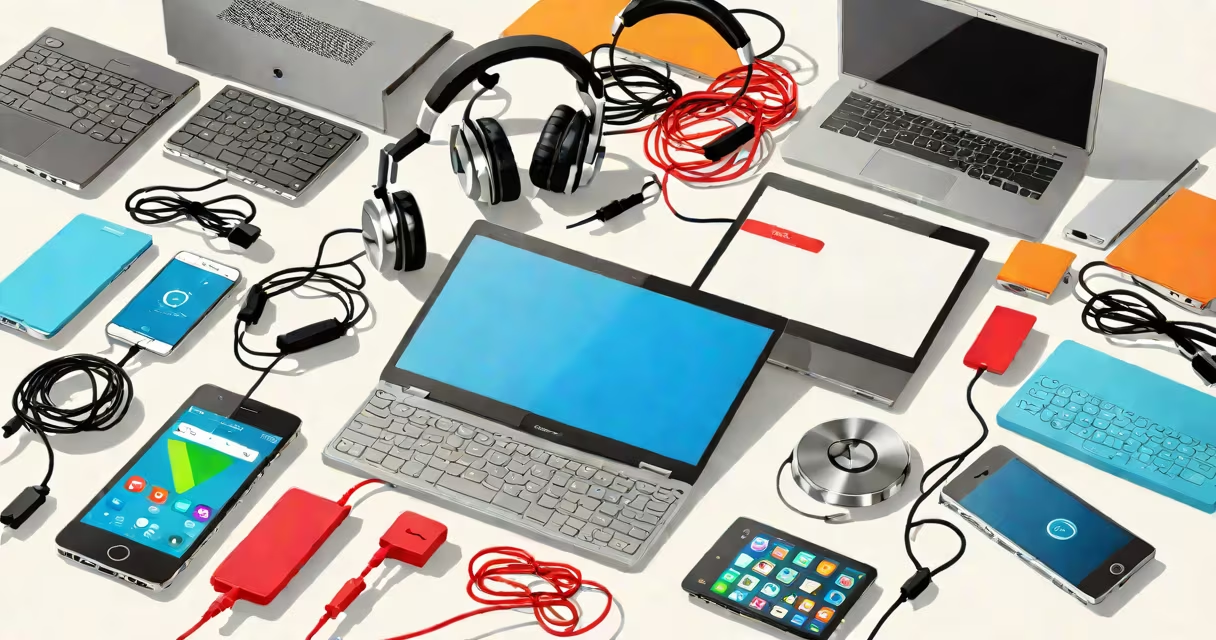
Selling used electronics online means listing smartphones, laptops, tablets, and other devices on marketplaces or peer-to-peer platforms to generate cash from items no longer needed. This process involves verifying condition, setting competitive prices, and shipping securely. The practice grew after 2020, with global resale market value reaching $24 billion in 2023 according to ThredUp's 2023 Resale Report.
Most transactions begin with assessing the device's physical and functional state. A smartphone with a cracked screen but working battery may still fetch 30-50% of its original retail value depending on model and demand. Platforms like eBay, Facebook Marketplace, and Gazelle handle listings, payments, and buyer communication. Sellers typically take photos, write descriptions including serial numbers, and set a price based on current market rates.
Shipping requires careful packaging to prevent damage during transit. Using a box with cushioning material and a tracking label reduces risk. Buyers often expect the device to arrive in the condition described. Misrepresentations lead to negative feedback and account restrictions. For high-value items, sellers may opt for insured shipping or in-person meetups in safe public locations.
Start by gathering all components: charging cables, cases, manuals, and accessories. These increase perceived value. Next, reset the device to factory settings using built-in tools. On iPhones, go to Settings > General > Transfer or Reset iPhone > Erase All Content and Settings. On Android, use Settings > System > Reset Options > Erase All Data.
Take clear, well-lit photos from multiple angles. Show the front, back, sides, and screen. Include close-ups of any scratches or dents. Use a neutral background to avoid distractions. Describe the device honestly: model, storage capacity, color, and known issues. Avoid terms like "like new" unless accurate.
List the item on a platform with buyer protection. eBay offers a structured listing system with optional seller insurance. Facebook Marketplace allows local sales but lacks dispute resolution. Gazelle provides instant quotes via their app and ships free packaging. After a sale, confirm payment, pack the device securely, and send it with tracking. Keep proof of shipment until the buyer confirms receipt.
Platforms differ in fees, audience reach, and automation level. Here's a breakdown:
| Platform | Fees | Best For | Turnaround Time |
|---|---|---|---|
| eBay | 10% max (varies by category) | High-end or rare models | 3-14 days |
| Facebook Marketplace | 0% | Local buyers, quick sales | 1-3 days |
| Gazelle | Free shipping, 10% processing fee | Fast, hassle-free sell-back | 1-5 days |
| Swappa | 5% seller fee | iPhone and iPad resellers | 2-7 days |
Swappa focuses exclusively on smartphones and tablets. Its community enforces strict listing standards, reducing scams. Users must verify ownership with a serial number check. This lowers fraud risk compared to general marketplaces.
One frequent error is overpricing due to emotional attachment. A 2022 study by Consumer Reports found that 68% of people listed used phones at 20% above market value, resulting in no sales. Use price guides like PriceCheck or Reconditioned to compare recent sold listings. For example, a 2020 Samsung Galaxy S20 with 128GB storage sold for $240 on eBay in June 2023, not $350.
Another mistake is skipping the factory reset. Leaving personal data behind risks identity theft. Apple's Activation Lock prevents unauthorized access, but it can't be bypassed without the original Apple ID. If the device remains locked, the buyer cannot use it. This leads to chargebacks and account bans.
I once sold a used MacBook Pro through Facebook Marketplace. I included a photo of the battery health at 87%, which helped close the deal quickly. The buyer arrived at a public library parking lot, paid in cash, and left without incident. The entire process took under 45 minutes. That experience taught me that speed and transparency reduce friction.
It's also not the same as trade-ins at retailers. Trade-in programs like Best Buy's offer instant credit toward new purchases. They don't pay cash upfront and often undervalue devices. A 2021 report from iFixit showed that Best Buy offered 40% less than eBay for a used iPad Air. Retailer trade-ins favor the store's profit margin over the seller's gain.
A key distinction: online resale doesn't require a business license for occasional sales. The IRS considers selling personal property occasionally as non-business income. However, selling more than 10 devices per year triggers reporting obligations. Always consult IRS Publication 525 for guidance.
Use a consistent naming convention for listings: "iPhone 13 Pro - 256GB - Silver - Good Condition." This improves search visibility. Include keywords like "unlocked," "water damage," or "battery health below 80%" to manage expectations.
Set a minimum acceptable price. If bids fall below it, decline them. Accepting low offers trains buyers to wait for discounts. Be ready to negotiate politely. A message like "I'll accept $180 if you pick it up locally" closes deals faster than silence.
When selling high-value items, consider using a third-party verification service. Companies like CheckMEND or Back Market provide independent assessments. They inspect the device, test functions, and issue a report. Buyers trust verified listings more than unverified ones.
Understanding how to sell used electronics online begins with honesty, accuracy, and preparation. By following these steps, you turn outdated gear into immediate funds while minimizing risk.