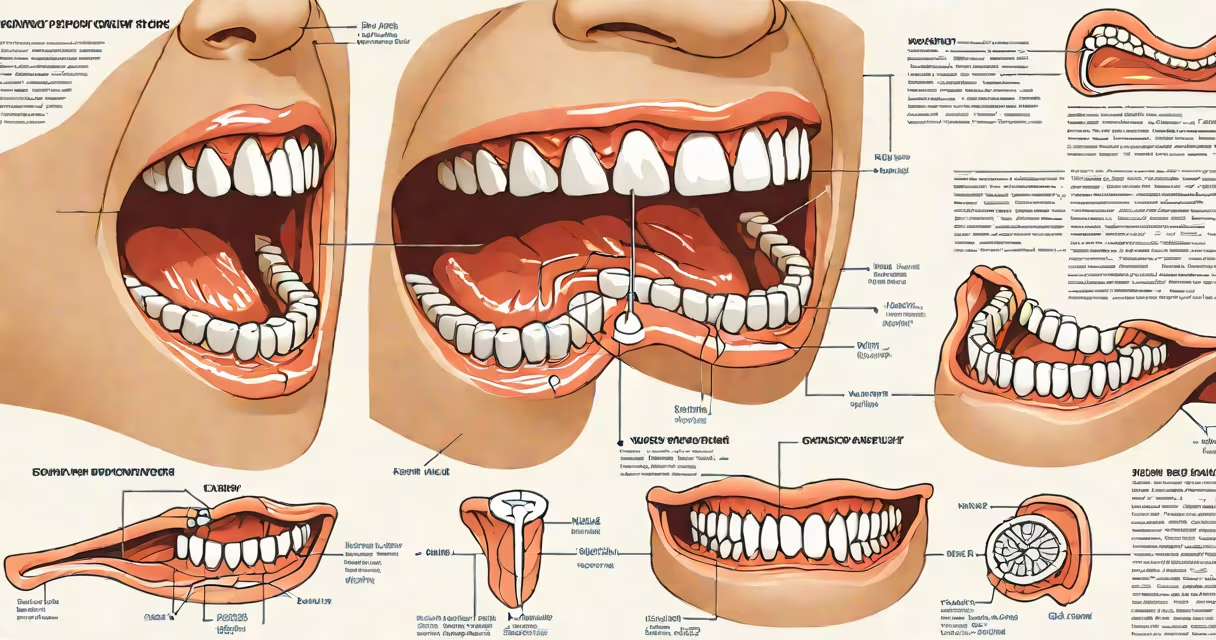
Oral thrush is a fungal infection caused by Candida albicans that appears as white, patchy lesions in the mouth. Treatment typically involves antifungal medications applied directly to the mouth or taken orally, depending on severity and patient factors.
Oral thrush develops when Candida yeast overgrows in the mucous membranes of the mouth. This imbalance often occurs due to antibiotic use, weakened immunity, dry mouth, or uncontrolled diabetes. The condition affects about 1-3% of healthy adults, but prevalence rises to 20% in people with HIV/AIDS or those undergoing chemotherapy.
Antifungal agents disrupt the cell membrane of Candida fungi. They do not kill bacteria, so antibiotics do not treat thrush. Misuse of broad-spectrum antibiotics increases risk by eliminating protective oral bacteria.
Nystatin is a topical antifungal available as a liquid rinse or lozenge. It binds to ergosterol in fungal cell membranes, creating pores that cause leakage and death. Nystatin is safe for infants and pregnant individuals because it isn't absorbed systemically.
Fluconazole is an oral azole antifungal that inhibits fungal enzyme CYP51, blocking ergosterol synthesis. It's prescribed for moderate to severe cases or when topical treatments fail. A single 100 mg dose may clear symptoms in 70% of patients within five days, according to a 2021 randomized controlled trial published in Clinical Infectious Diseases.
Clotrimazole troches (lozenges) dissolve slowly in the mouth, releasing antifungal agent over 15 minutes. They're effective for mild infections and require four doses daily for seven days. Compliance drops when patients forget to take them between meals.
| Treatment | Dose | Duration | Best For |
|---|---|---|---|
| Nystatin suspension | 100,000 units four times daily | 7-14 days | Infants, mild cases, low-risk patients |
| Fluconazole 50 mg tablet | Once daily | 7 days | Recurrent or resistant cases, immunocompromised |
| Clotrimazole lozenges | 10 mg every 6 hours | 7 days | Mild-to-moderate infection, adults |
Topical treatments are preferred for children under 12 and older adults due to lower systemic exposure. Fluconazole is reserved for persistent cases because of potential liver toxicity and drug interactions with warfarin, statins, and certain antidepressants.
Self-treatment is appropriate for isolated white patches that don't bleed and resolve in less than 10 days. However, if lesions persist beyond 14 days, spread to the esophagus, or cause pain, difficulty swallowing, or fever, consult a healthcare provider.
Systemic symptoms suggest deeper infection. Esophageal candidiasis occurs in 10-20% of people with advanced HIV and presents with chest pain and dysphagia. A barium swallow or endoscopy confirms diagnosis. Fluconazole is first-line therapy, with dose adjusted based on renal function.
I've treated a 78-year-old woman with denture-related thrush who had failed over-the-counter nystatin. Her symptoms returned after stopping treatment. Switching to a 7-day course of fluconazole resolved her infection. She later reported improved denture fit and better oral hygiene reduced recurrence.
Many assume that mouthwash cures oral thrush. Alcohol-based rinses actually worsen irritation and may promote fungal growth by drying mucosal surfaces. Chlorhexidine is safe for plaque control but ineffective against Candida.
Another error is using steroids for inflammation without treating the underlying fungal infection. Corticosteroids suppress immune response locally, allowing Candida to proliferate. Patients on inhaled corticosteroids for asthma have a 2.3-fold higher risk of developing oral thrush, per a 2019 study in Journal of Oral Pathology & Medicine.
Some patients stop treatment early when symptoms improve. This leads to relapse in 30-40% of cases. Completing the full course prevents resistance and ensures eradication.
Preventive strategies include rinsing the mouth after using inhaled corticosteroids, removing dentures at night, and managing blood glucose levels in diabetics. A 2020 review in MycoResearch found that regular brushing and flossing reduce Candida colonization by 55% compared to infrequent cleaning.
Recurrent thrush (four or more episodes per year) warrants investigation for immunodeficiency, including HIV testing. Persistent cases may require longer courses of fluconazole or alternative antifungals like amphotericin B in rare instances.
Effective treatment for oral thrush requires matching the antifungal to the patient's health status, infection severity, and risk profile. Always confirm diagnosis before starting therapy. What to take for oral thrush depends on individual factors-not all treatments work equally well for everyone.