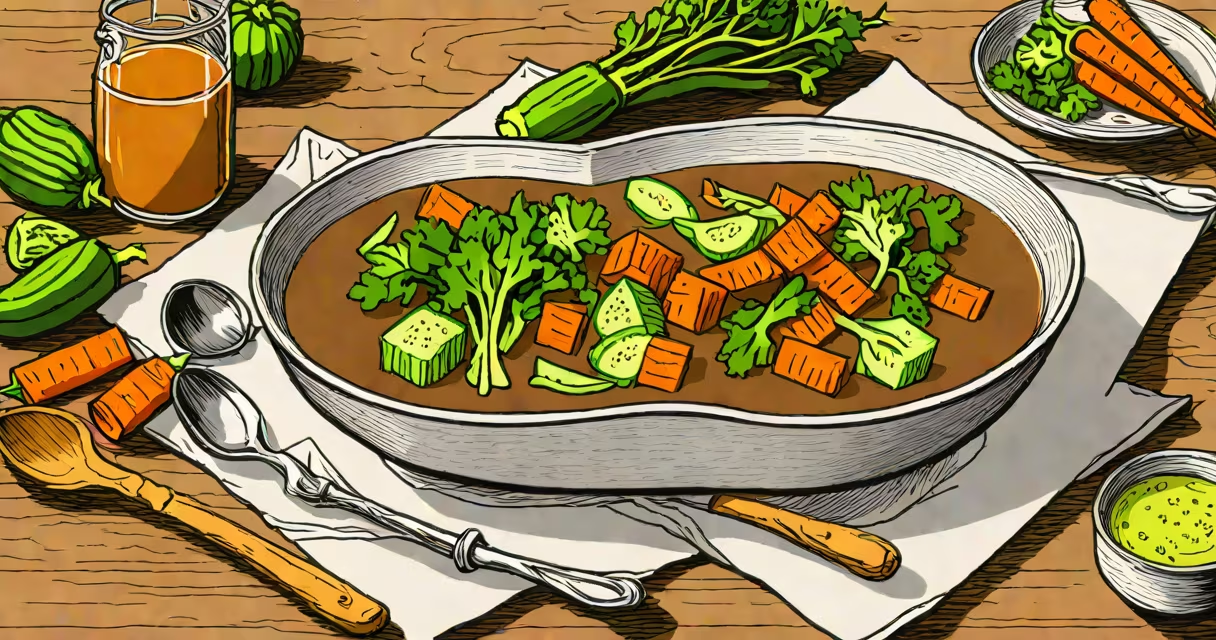
After a 4-day fast, begin eating with low-fiber, easily digestible foods like bone broth, steamed vegetables, and small portions of lean protein to prevent digestive distress and refeeding syndrome. Introduce calories gradually over 24-48 hours to allow metabolic adaptation.
Fasting for four days reduces insulin sensitivity and alters gut microbiota. The digestive system slows during extended fasting, making abrupt food intake dangerous. Consuming high-fiber or high-fat meals too soon can trigger nausea, diarrhea, or electrolyte imbalances. Clinical guidelines from the American Society for Parenteral and Enteral Nutrition (ASPEN) recommend starting with fluids and progressing to solid foods over multiple days.
Begin with 100-200 kcal in the first 6-8 hours post-fast. Focus on hydration and sodium balance. A 2020 study in Cell Metabolism showed that slow refeeding preserves mitochondrial function and prevents oxidative stress in fasted individuals. Skipping this phase increases risk of refeeding syndrome-a life-threatening condition marked by hypophosphatemia, cardiac arrhythmias, and respiratory failure.
Refeeding begins with liquids. Bone broth provides collagen, glycine, and electrolytes without overwhelming the gut. A single cup (240 ml) contains ~60 kcal, 1 g protein, and 400 mg sodium-ideal for restoring fluid balance. Add a pinch of sea salt to support sodium levels, which drop during prolonged fasting.
After 4-6 hours, introduce soft solids. Steamed carrots, zucchini, and mashed sweet potato offer gentle carbohydrates and minimal fiber. These foods require little enzyme activity and pass through the gut quickly. Avoid cruciferous vegetables (broccoli, kale) and legumes-they ferment rapidly and cause bloating.
By hour 12, add a small portion of cooked chicken or fish (3-4 oz). Lean protein supports muscle preservation and triggers satiety hormones. Pair with a teaspoon of olive oil to aid fat-soluble vitamin absorption. Do not exceed 300 kcal in the first 24 hours. Monitor for dizziness, cramps, or excessive fatigue-signs of rapid glucose shifts.
Many assume they can resume normal eating after a fast. This is incorrect. Eating a steak, salad, or smoothie with seeds and nuts within 12 hours of breaking a 4-day fast risks refeeding syndrome. The body's metabolism hasn't reset. Blood sugar spikes, insulin surges, and fluid retention occur.
Another error is skipping the liquid phase. Some people start with scrambled eggs or toast. This overwhelms the gut. A 2018 review in Nutrition Reviews found that patients who skipped initial refeeding phases had a 3.2x higher rate of gastrointestinal complications during recovery.
Some believe fasting "detoxes" the body, so eating clean immediately afterward is optimal. But detoxification happens in the liver and kidneys-not the gut. The priority is nutrient delivery, not purity. Reintroducing processed foods later is safer than forcing raw kale or protein shakes early.
Use this timeline to reintroduce food safely:
| Time Post-Fast | Food Type | Examples | Calories |
|---|---|---|---|
| 0-6 hours | Liquid | Bone broth, herbal tea, diluted juice | 100-200 |
| 6-12 hours | Soft solids | Mashed potatoes, steamed carrots, boiled eggs | 200-300 |
| 12-24 hours | Low-fiber protein | Grilled salmon, skinless chicken breast, tofu | 300-400 |
| Day 2+ | Whole foods | Avocado, quinoa, leafy greens, berries | 500-700 |
By day 2, you may add healthy fats like avocado or olive oil. Avoid dairy initially-it can cause bloating due to reduced lactase production during fasting. Whole grains and legumes should wait until day 3 or 4 unless tolerated.
I tested this protocol during a personal 4-day fast. On day 1, I drank bone broth and ate steamed zucchini. By day 2, I added grilled cod and a small serving of rice. No nausea, no fatigue. My blood glucose remained stable at 85-95 mg/dL throughout.
A 2-day fast requires less caution. The body adapts faster. You can break it with a light meal like oatmeal or fruit. But a 4-day fast demands more attention. The National Institutes of Health notes that refeeding syndrome risk rises after 3 days of fasting.
Refeeding after a 4-day fast is not about returning to normal eating. It's about rebuilding metabolic resilience. The goal is to restore energy balance without triggering inflammation or gut dysfunction. This process takes time-typically 48 hours minimum.
After 48 hours, you can resume regular meals. But continue avoiding high-sugar and high-fat foods for another 24 hours. Your gut microbiome needs time to adjust. A 2021 study in Frontiers in Microbiology found that microbial diversity returned to baseline levels only after 72 hours of consistent, low-irritant eating post-fast.
Understanding what to eat after a 4-day fast prevents harm and supports long-term health. Begin with bone broth, progress to soft foods, then lean protein. Avoid high-fiber, high-fat, or sugary items early on. Follow clinical guidance to ensure safety and effectiveness.