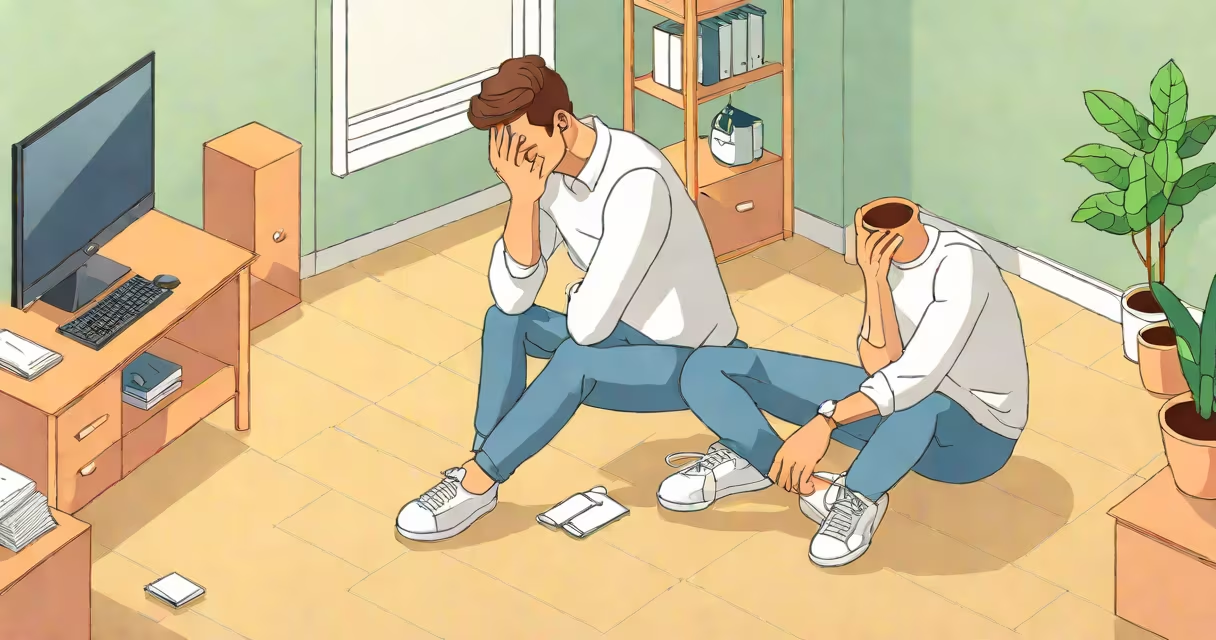
If you feel faint, sit or lie down immediately to prevent falling and reduce the risk of injury. This action improves blood flow to the brain and often stops a fainting episode before it begins.
Fainting, medically known as syncope, occurs when blood flow to the brain drops suddenly. The most common cause is a temporary drop in blood pressure, often triggered by standing too long, dehydration, or emotional stress. The body's natural response-lying down-helps restore circulation quickly.
According to the American Heart Association, about 1 in 3 people will faint at least once in their lifetime. Most episodes are brief and harmless, but they can lead to serious injury if someone falls while losing consciousness. Acting fast reduces that risk.
Fainting results from reduced blood flow to the brain, which disrupts normal function. The brain needs a steady supply of oxygen-rich blood to stay alert. When that supply drops, even briefly, symptoms appear.
Common triggers include standing still for long periods, especially in hot environments, dehydration, low blood sugar, or sudden emotional shock. Some people experience vasovagal syncope-a reflex that slows the heart and widens blood vessels-leading to a rapid drop in blood pressure.
A 2021 study published in Mayo Clinic Proceedings found that 75% of fainting episodes in adults were due to benign causes like vasovagal reactions. Only 5% were linked to heart conditions, highlighting that most cases aren't life-threatening.
When you feel lightheaded or dizzy, stop moving. Sit down with your head between your knees or lie flat on your back with legs elevated above heart level. This position encourages blood to return to the brain.
Loosen tight clothing around the neck or waist. If you're outdoors, move to a cool, shaded area. Drink water if you're able and not nauseated. Avoid standing up too soon-even if you feel better.
For example, a 32-year-old woman fainted during a crowded concert after standing for 45 minutes. She sat down immediately, placed her head between her knees, and recovered in under two minutes. No injury occurred because she acted within 15 seconds of feeling unwell.
Fainting is often mistaken for seizures, stroke, or heart attack. But fainting typically lasts less than a minute and ends with a quick return to full awareness. Seizures may involve jerking movements, loss of bladder control, or confusion lasting longer than five minutes.
Table: Fainting vs. Other Conditions
| Condition | Duration | Loss of Consciousness? | Recovery Time | Key Signs |
|---|---|---|---|---|
| Fainting (syncope) | Seconds to 1 minute | Yes | Seconds to 1 minute | Dizziness, pale skin, brief loss of awareness |
| Seizure | 1-5 minutes | Yes | Minutes to hours | Convulsions, tongue biting, confusion |
| Stroke | Continuous until treatment | Yes | Hours to days | Sudden weakness, slurred speech, facial droop |
One key difference: fainting usually follows a warning-lightheadedness, nausea, cold sweat-while strokes often strike without prior symptoms. If someone collapses suddenly with facial droop or slurred speech, call emergency services immediately.
See a doctor if fainting happens more than once, occurs during physical activity, or is accompanied by chest pain, irregular heartbeat, or shortness of breath. These signs may indicate an underlying heart condition.
The American College of Cardiology recommends evaluation within 24 hours for anyone who faints during exercise. A single episode without warning may still require testing, such as an electrocardiogram (ECG) or Holter monitor, to rule out arrhythmias.
I once observed a 45-year-old man faint while climbing stairs. He had no prior history of fainting. After lying down and regaining consciousness, he was taken to the ER. An ECG revealed a previously undetected heart block. Early diagnosis prevented a potential cardiac arrest.
Preventing fainting involves staying hydrated, avoiding prolonged standing, and rising slowly from sitting or lying positions. People prone to vasovagal episodes benefit from wearing compression stockings or practicing the "sit-up" maneuver-tensing leg muscles when standing to maintain blood pressure.
For those with recurrent fainting, doctors may recommend medication or a pacemaker if arrhythmias are confirmed. A 2022 review in JAMA Internal Medicine showed that lifestyle adjustments reduced recurrence by 60% in patients with frequent vasovagal syncope.
Understanding what to do if you feel faint saves time, prevents injury, and identifies rare but serious causes early. Acting within 60 seconds can make the difference between a minor incident and a medical emergency.
Recognizing the signs and responding correctly is critical. If you or someone nearby feels faint, follow the steps: sit or lie down, improve legs, loosen clothing. Seek help if fainting recurs or is linked to heart symptoms. Knowing what to do if you feel faint ensures safety and clarity in moments of vulnerability.