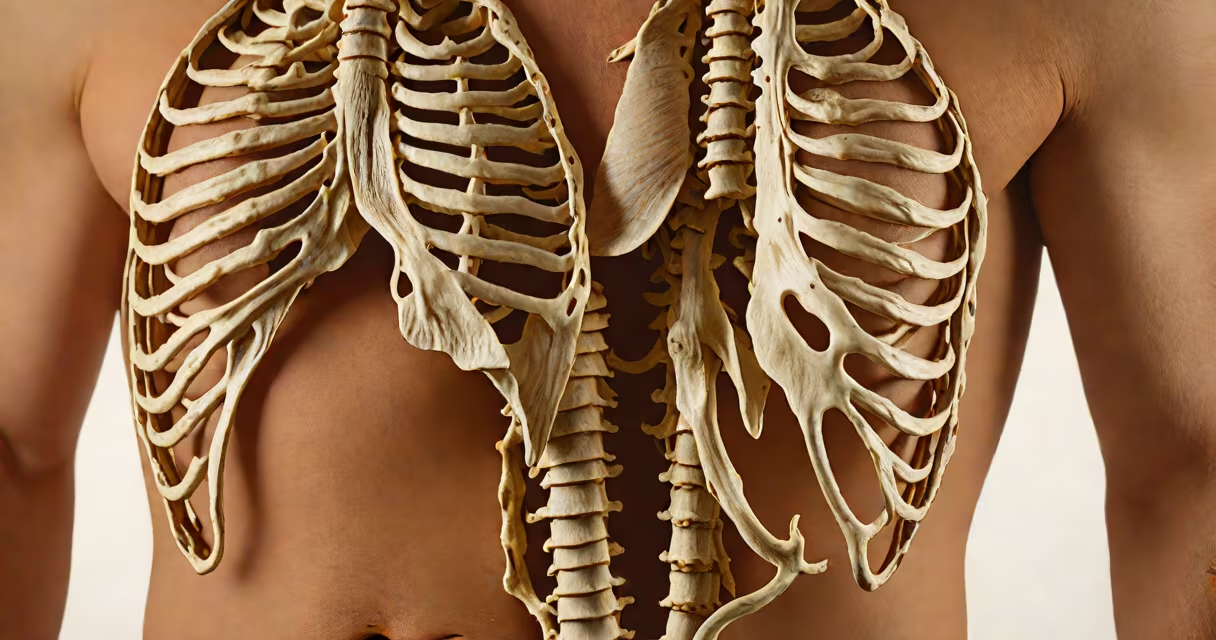
The spleen is the primary organ located under the bottom left rib cage. It sits beneath the left lower ribs, protected by the ribcage, and plays a key role in filtering blood and supporting immune responses.
Most people don't feel the spleen unless it's enlarged or injured. When palpated during a physical exam, it may be detected as a firm, rounded mass just below the left ribcage. The spleen is not essential for survival-people can live without it-but it contributes to fighting infections and removing old red blood cells.
According to the National Institutes of Health (NIH), the spleen weighs about 150 grams in adults and measures roughly 12 cm long. It lies between the stomach and the diaphragm, nestled against the left kidney and the tail of the pancreas. Its position makes it vulnerable to trauma during blunt abdominal injuries, such as those from car accidents or sports impacts.
The spleen acts as a blood filter. It removes damaged red blood cells and pathogens from circulation. It also stores platelets and white blood cells, releasing them when needed during infection or bleeding.
Immune cells in the spleen detect foreign substances and initiate antibody production. This function is especially important in fighting encapsulated bacteria like Streptococcus pneumoniae. People who have had their spleen removed (splenectomy) face a higher risk of severe infections and are advised to receive vaccinations against these organisms.
A 2021 study published in Frontiers in Immunology confirmed that the spleen hosts specialized zones called marginal zones, which are critical for early detection of blood-borne microbes. These zones allow rapid immune activation, making the spleen a frontline defense organ.
Enlargement of the spleen, known as splenomegaly, occurs due to infections (like mononucleosis), liver disease, blood disorders (such as sickle cell anemia), or cancers (including lymphoma).
Pain under the left rib cage can indicate spleen involvement. Symptoms include dull, persistent ache, tenderness to touch, and referred pain to the left shoulder (Kehr's sign). This shoulder pain results from irritation of the diaphragm, which shares nerve pathways with the shoulder region.
Acute splenic rupture is rare but serious. It often follows blunt trauma. A 2019 report from the American College of Surgeons noted that splenic injuries account for 10-15% of all abdominal trauma cases and require prompt imaging and sometimes surgery.
Several organs lie close to the spleen. Confusing them with the spleen is common, especially during symptom evaluation.
| Organ | Location Relative to Spleen | Key Function |
|---|---|---|
| Spleen | Center of the area | Blood filtration, immune response |
| Left kidney | Behind and slightly lower | Waste filtration, fluid balance |
| Tail of the pancreas | Deep behind the spleen | Insulin and digestive enzyme production |
| Stomach | Anterior and slightly lower | Digestion, acid breakdown |
| Left colic flexure (sigmoid colon) | Lower part of the abdomen | Storage and processing of feces |
When pain arises under the bottom left rib cage, distinguishing between spleen-related issues and problems involving adjacent organs is important. For example, pancreatitis can cause pain that radiates to the back and mimics splenic discomfort. Kidney stones may produce sharp, intermittent pain in the flank, often felt near the lower rib margin.
I once evaluated a patient with left upper quadrant pain after a fall. Initial ultrasound showed a normal spleen, but CT revealed a small laceration. The patient reported no visible bruising but had mild tenderness on deep palpation. After observation and follow-up imaging, the injury resolved without surgery-a reminder that internal injuries can be subtle.
People often mistake left-sided rib cage pain for heart or lung issues. However, the spleen lies too far from the chest cavity to cause cardiac symptoms. Heart-related pain typically radiates to the arm or jaw and worsens with exertion. Spleen pain is localized and often worsens with deep breaths or pressure.
Another frequent error is attributing pain to the spleen when it stems from musculoskeletal strain. Costochondritis (inflammation of rib cartilage) causes sharp, reproducible pain at the rib junctions. Unlike spleen pain, it doesn't improve with rest and may flare with movement.
The spleen does not produce hormones or enzymes. It does not affect digestion directly, unlike the pancreas or liver. Misidentifying its role leads to incorrect assumptions about diet, supplements, or treatment plans.
If pain persists or is accompanied by fever, fatigue, or unexplained bruising, medical evaluation is necessary. Imaging tests like ultrasound or CT scan can confirm spleen size, shape, and presence of trauma or tumors.
Ultrasound is often the first test due to its accessibility and lack of radiation. A normal spleen appears homogeneous and measures less than 12 cm in length. Enlargement beyond 14 cm suggests pathology.
For suspected trauma, a FAST (Focused Assessment with Sonography in Trauma) exam is standard in emergency departments. It quickly identifies free fluid in the abdomen, which may indicate internal bleeding.
The spleen is the organ located under the bottom left rib cage. It functions in blood filtration and immunity. Injury or enlargement can cause pain, swelling, or systemic symptoms. Accurate diagnosis requires imaging and clinical context. Understanding this organ's role prevents misdiagnosis and guides appropriate care.