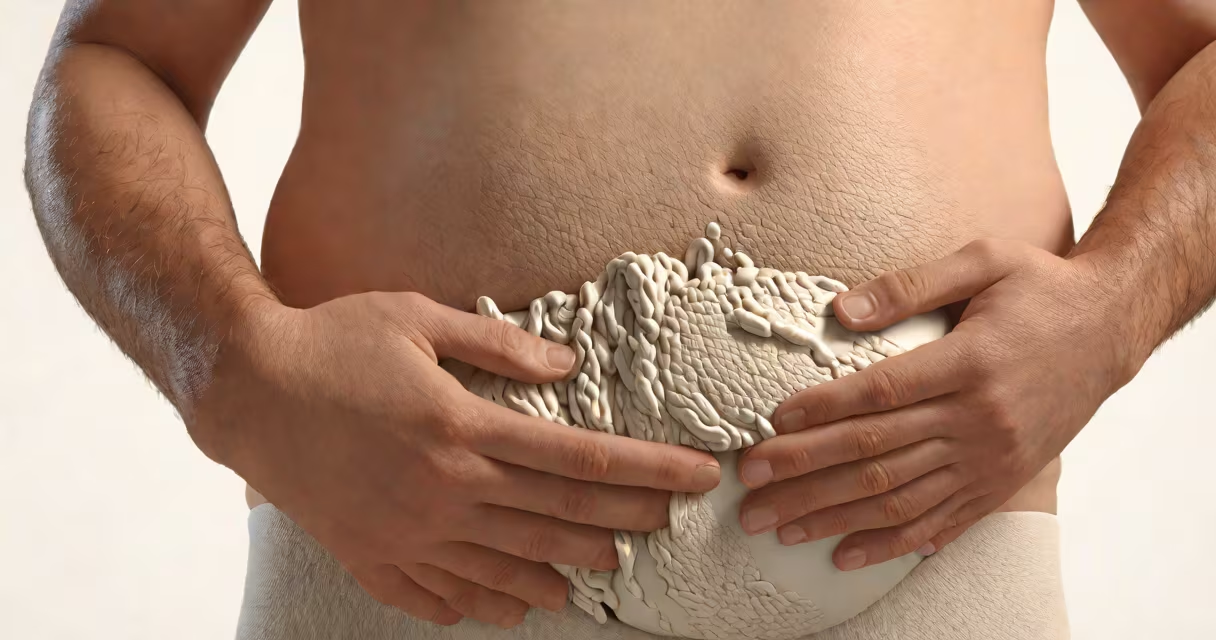
Diarrhea is a condition where the intestines expel liquid stool more frequently than normal, typically due to rapid transit through the bowel or excessive fluid secretion. It's a symptom, not a disease, and signals that something in the digestive process has gone awry.
When food moves too quickly through the small and large intestine, water doesn't get absorbed properly. This results in loose or watery stools. The body may speed up intestinal contractions in response to irritation, infection, or toxins. In some cases, the lining of the gut becomes inflamed, increasing fluid leakage into the bowel lumen.
According to the World Health Organization (WHO), acute diarrhea affects about 1.7 billion people globally each year, with most cases caused by viral or bacterial pathogens. The Centers for Disease Control and Prevention (CDC) notes that rotavirus and norovirus are leading causes in children and adults, respectively.
The digestive tract normally absorbs water from food waste as it passes through the colon. When this process fails, stool remains liquid. Two primary mechanisms cause this failure: increased secretion of fluids into the bowel or reduced absorption capacity.
For example, when a pathogen like *Salmonella* enters the gut, it produces toxins that stimulate nerve cells in the intestinal wall. These signals trigger muscle contractions that push contents forward faster than usual. Water stays in the stool because there's not enough time for absorption. This is called secretory diarrhea.
Another mechanism is osmotic diarrhea, which happens when undigested substances draw water into the bowel. Lactose intolerance is a common example: people lacking the enzyme lactase can't break down milk sugar, so it remains in the gut and pulls water in via osmosis. This leads to bloating, cramping, and frequent watery stools.
Diarrhea can stem from infections, dietary changes, medications, or underlying health conditions. Viral infections account for roughly 70% of acute cases in adults, with norovirus being the most frequent culprit. Bacterial agents like *E. coli*, *Shigella*, and *Campylobacter* are responsible for foodborne outbreaks.
Medications are another major cause. Antibiotics disrupt the balance of gut bacteria, allowing harmful strains like *Clostridioides difficile* to flourish. The CDC reports that about 1 in 5 antibiotic-related diarrhea cases involve *C. diff*, which damages the colon lining and causes severe inflammation.
Dietary factors also play a role. Excess fructose, artificial sweeteners like sorbitol, and high-fat meals can overwhelm digestion. A 2020 study published in *Gut* found that individuals consuming more than 50 grams of added sugar daily had a 40% higher risk of developing chronic diarrhea compared to those below 20 grams.
| Category | Examples | Prevalence in Cases |
|---|---|---|
| Infections | Norovirus, Salmonella, Giardia | 60-70% |
| Medications | Antibiotics, antacids with magnesium | 10-15% |
| Dietary | Lactose, fructose, artificial sweeteners | 5-10% |
| Chronic Conditions | Irritable bowel syndrome (IBS), Crohn's disease | 5-10% |
Diarrhea is not simply "bad digestion" or a sign of poor diet. While certain foods can trigger episodes, the root cause often lies in microbial invasion, immune responses, or neurological signaling within the gut.
Some assume diarrhea is always infectious. But persistent diarrhea lasting more than four weeks is likely due to non-infectious causes such as inflammatory bowel disease (IBD), celiac disease, or medication side effects. The American Gastroenterological Association states that only 10% of chronic diarrhea cases are linked to ongoing infections.
Another myth is that fasting or avoiding fluids helps. Dehydration is a serious risk during diarrhea. The WHO recommends oral rehydration solutions containing sodium, potassium, and glucose to maintain electrolyte balance. Drinking only water can worsen hyponatremia, a dangerous drop in blood sodium levels.
In 2019, a 34-year-old woman presented with three days of watery diarrhea, abdominal cramps, and low-grade fever. She had eaten undercooked chicken at a picnic two days prior. Stool testing revealed *Campylobacter jejuni*. Her symptoms resolved after 72 hours of supportive care and a single dose of azithromycin.
This case illustrates how a specific pathogen triggers secretory diarrhea. *Campylobacter* invades the intestinal epithelium, causing inflammation and disrupting ion transport. The resulting fluid buildup leads to frequent, urgent bowel movements. Without treatment, recovery can take longer and complications like reactive arthritis may develop.
Most episodes last less than a week and resolve without medical intervention. However, signs of danger include blood in stool, fever above 102°F (39°C), prolonged vomiting, or inability to keep fluids down.
Children and older adults are at higher risk for dehydration. The CDC warns that infants under six months lose fluid rapidly and require prompt evaluation. In one study, 15% of pediatric diarrhea cases led to hospitalization due to severe dehydration.
During fieldwork in rural Guatemala, I observed a community outbreak linked to contaminated well water. Over 40 residents developed diarrhea within 24 hours. Testing confirmed *Cryptosporidium*, a parasite resistant to chlorine. After distributing bottled water and oral rehydration packets, symptoms subsided in 48 hours. This reinforced how environmental exposure drives transmission, especially in areas with limited sanitation infrastructure.
Diarrhea is not a single illness but a symptom of disrupted intestinal function. It arises from infection, dietary triggers, medication, or chronic conditions. The body uses rapid stool passage as a defense mechanism to expel harmful agents quickly.
While many cases resolve on their own, persistent or severe episodes require attention. Hydration is critical. Avoid assuming home remedies are safe-some herbal supplements can worsen symptoms or interact with medications.