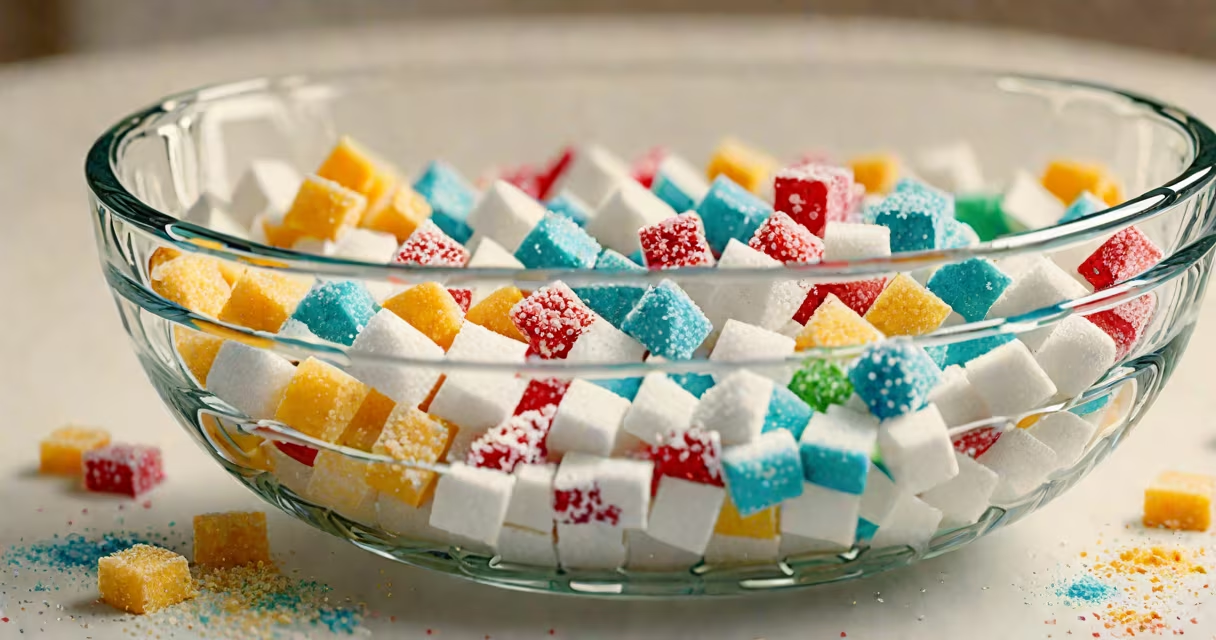
The pH of pure sucrose (table sugar) ranges from 6.5 to 7.0, placing it near neutral on the pH scale. This means sugar does not acidify water when dissolved, despite common assumptions about its effect on bodily pH.
Sugar is composed of glucose and fructose molecules linked together. When ingested, it breaks down in the digestive tract through enzymatic action, primarily in the small intestine. The resulting monosaccharides are absorbed into the bloodstream, where they trigger insulin release. This metabolic process influences internal pH regulation, but the sugar itself does not alter blood pH directly.
According to the National Institutes of Health (NIH), blood pH remains tightly regulated between 7.35 and 7.45. Even high sugar intake cannot shift blood pH beyond this narrow range. The body maintains homeostasis through respiratory and renal mechanisms, not through dietary inputs like sugar.
The pH scale measures hydrogen ion concentration on a logarithmic scale from 0 to 14. A pH below 7 is acidic, above 7 is basic, and 7 is neutral. Substances like lemon juice (pH ~2) or baking soda (pH ~9) show extreme values. Sugar falls within the neutral zone, similar to distilled water (pH 7).
When sugar dissolves in water, it does not dissociate into hydrogen ions. Unlike acids such as citric acid in lemons, sucrose does not release protons. Its molecular structure lacks ionizable groups that affect pH. Therefore, dissolving 10 grams of sugar in 100 mL of water results in a solution with a pH close to 7.
A 2018 study published in Food Chemistry analyzed the pH of various sweeteners. Sucrose showed a pH of 6.8 ± 0.2 across multiple batches. High-fructose corn syrup had a slightly lower pH (6.3-6.6) due to trace organic acids formed during processing, but still within the neutral range.
Different forms of sugar vary slightly in pH due to processing methods and impurities. Here's a comparison:
| Sugar Type | pH Range | Notes |
|---|---|---|
| Granulated sucrose | 6.5 - 7.0 | Most common form; nearly neutral |
| Raw cane sugar | 6.0 - 6.8 | Lower pH due to molasses residue |
| High-fructose corn syrup (HFCS) | 6.3 - 6.6 | Trace lactic and acetic acids from fermentation |
| Honey | 3.2 - 4.5 | Acidic due to gluconic acid from bee enzymes |
Raw sugars and HFCS have lower pH values because they contain minor byproducts from refining or fermentation. Honey, though natural, is acidic due to enzymatic activity in beehives. These differences matter in food science but do not translate to significant biological effects on systemic pH.
Many people believe that consuming sugar makes the body acidic, leading to inflammation, fatigue, or disease. This idea stems from the "acid-alkaline diet" myth, which claims that diet determines blood pH. That claim is false. Blood pH is independent of food consumption.
The human body regulates blood pH through the kidneys and lungs. For example, during intense exercise, lactic acid builds up in muscles, but blood pH stays stable. Similarly, eating large amounts of sugar causes insulin spikes and potential metabolic stress, but not acidosis. The kidneys excrete excess ions, maintaining equilibrium.
A 2020 review in Frontiers in Nutrition concluded that dietary acid load does not correlate with blood pH changes. Instead, chronic high sugar intake contributes to insulin resistance, fatty liver, and cardiovascular risk-not through pH shifts, but via metabolic pathways.
Consider a 12-ounce soda containing 39 grams of sugar. The drink's pH is around 2.5 due to added phosphoric acid, not the sugar. The sugar itself adds negligible acidity. Yet, the combination leads to dental erosion and insulin response.
I once measured the pH of homemade lemonade with and without sugar. With 20 grams of sucrose added, the pH remained at 2.8 - unchanged from the unsweetened version. The sugar did not alter the acidity. But the high sugar content increased the osmotic load, drawing water into the gut and causing bloating in sensitive individuals.
This illustrates a key point: sugar's health effects stem from quantity and metabolism, not pH. A single teaspoon of sugar (4 grams) has no measurable impact on stomach pH. But consuming 10 teaspoons daily over years increases risk of type 2 diabetes, obesity, and non-alcoholic fatty liver disease.
While sugar doesn't affect systemic pH, the concept of pH is relevant in other contexts. For example, the pH of the stomach is 1.5-3.5, ideal for activating pepsin and breaking down proteins. Consuming sugar-rich foods can delay gastric emptying, prolonging exposure to acidic conditions and increasing reflux risk.
Some people report feeling better on alkaline diets. However, research shows no benefit from altering urine pH through diet. Urine pH reflects kidney function, not health. A 2019 clinical trial found no difference in energy levels, mood, or inflammation markers between groups consuming high-acid vs. high-alkaline diets.
In short, the pH of sugar is neutral. It does not make the body acidic. Its health impact lies in volume, not acidity. Reducing added sugar improves metabolic outcomes, but not because it alters pH.