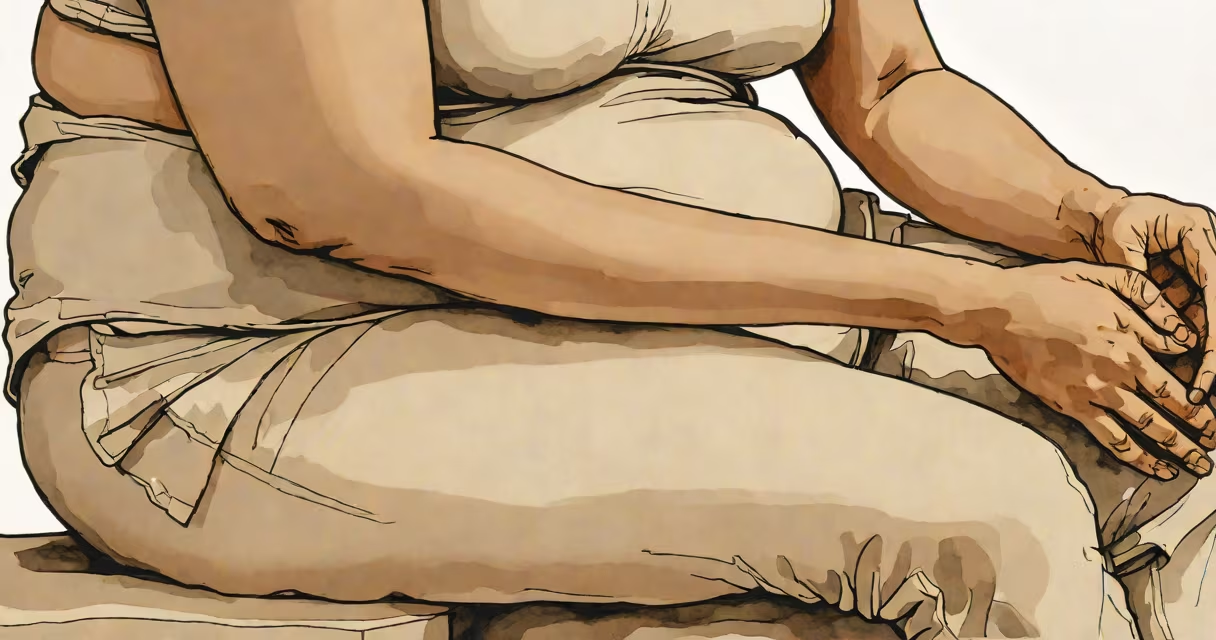
Bloating occurs when excess gas, fluid, or undigested food accumulates in the gastrointestinal tract, causing the abdomen to swell visibly and feel tight. This sensation often persists beyond normal fullness after eating and may be accompanied by discomfort or pressure.
The condition is common, affecting up to 16% of adults globally, according to a 2021 review in Frontiers in Gastroenterology. It's not a disease but a symptom linked to diet, gut motility, and underlying health factors. Identifying the root cause requires distinguishing between temporary triggers and signs of a chronic issue.
When food enters the small intestine, bacteria ferment undigested carbohydrates like lactose, fructose, and fiber. This fermentation produces hydrogen and methane gases. If the colon cannot absorb them quickly, they build up and stretch the intestinal walls, triggering bloating.
Water retention also contributes. Sodium intake above 2,300 mg daily correlates with increased fluid volume in tissues, including the abdominal cavity. A 2019 study in European Journal of Clinical Nutrition found that high-sodium diets led to measurable increases in abdominal circumference within 48 hours.
Delayed gastric emptying-when the stomach takes longer than usual to move contents into the small intestine-can cause a feeling of fullness and pressure. This is common in people with irritable bowel syndrome (IBS), where nerve sensitivity amplifies the perception of distension even with normal gas levels.
Dietary habits are the most frequent cause. Foods high in FODMAPs (fermentable oligosaccharides, disaccharides, monosaccharides, and polyols) such as onions, garlic, beans, apples, and wheat products are strongly linked to bloating. A clinical trial published in Alimentary Pharmacology & Therapeutics showed that 75% of IBS patients experienced reduced bloating after six weeks on a low-FODMAP diet.
Other contributors include swallowing air while eating quickly, chewing gum, or drinking carbonated beverages. These introduce extra gas into the system. Lactose intolerance affects about 65% of adults worldwide, and consuming dairy without sufficient lactase enzyme leads to gas and bloating within 30 minutes to two hours.
Chronic conditions like celiac disease, small intestinal bacterial overgrowth (SIBO), and inflammatory bowel diseases (IBD) can cause persistent bloating. For example, SIBO involves excessive bacteria in the small intestine, where they ferment food prematurely. A 2020 study in Journal of Clinical Gastroenterology reported that 82% of SIBO patients had significant bloating relief after antibiotic treatment.
| Trigger Type | Examples | Typical Onset Time |
|---|---|---|
| Dietary | Lactose, fructose, beans, cruciferous vegetables | 30 min - 2 hours |
| Swallowed Air | Carbonated drinks, gum, rapid eating | Immediately |
| Medical Conditions | SIBO, IBS, celiac disease | Hours to days, recurring |
Bloating is not the same as weight gain. A bloated belly can increase waist size by 2-4 inches temporarily due to gas or fluid, but this does not reflect fat accumulation. Measuring waist circumference during bloating may falsely suggest weight gain.
Many assume bloating means poor digestion. But bloating specifically indicates distension, not slow metabolism or lack of exercise. You can be physically fit and still experience bloating from dietary triggers.
A key distinction: bloating from gas feels diffuse and may shift location. Bloating from fluid retention tends to be constant and localized. If bloating is severe, lasts more than a week, or includes blood in stool, fever, or unexplained weight loss, it may indicate a serious condition like ovarian cancer or intestinal obstruction-conditions that require medical evaluation.
A 34-year-old woman reported bloating lasting four days after eating a meal containing lentils, onions, and soda. She noted her pants felt tighter and her abdomen was visibly swollen. Her symptoms began 90 minutes after eating and worsened over time.
She kept a food diary and eliminated high-FODMAP foods for seven days. Her bloating resolved completely. A follow-up breath test confirmed elevated hydrogen levels, indicating carbohydrate malabsorption. She was advised to avoid large portions of legumes and carbonated drinks. This case illustrates how targeted dietary changes can resolve symptoms without medication.
During a clinic visit, I observed a patient whose bloating fluctuated with menstrual cycle timing. Hormonal shifts affect gut motility-estrogen slows transit time, increasing gas retention. When she tracked symptoms with her period, bloating peaked around ovulation and decreased after menstruation. This pattern aligns with research showing hormonal influence on GI function.
Occasional bloating after meals is normal. But if bloating is daily, disrupts sleep, or returns despite dietary changes, consult a healthcare provider. Persistent bloating may signal conditions requiring testing, such as SIBO (diagnosed via glucose breath test), celiac disease (confirmed by blood tests and biopsy), or pelvic organ disorders.
Red flags include bloating with unintentional weight loss, vomiting, or changes in bowel habits. These warrant prompt evaluation. The American College of Gastroenterology recommends screening for IBS using Rome IV criteria when bloating persists for more than three months with altered bowel patterns.
Knowing why your tummy is bloated helps you take control. Most cases stem from diet or minor gut imbalances. Addressing them early prevents unnecessary worry and improves quality of life.