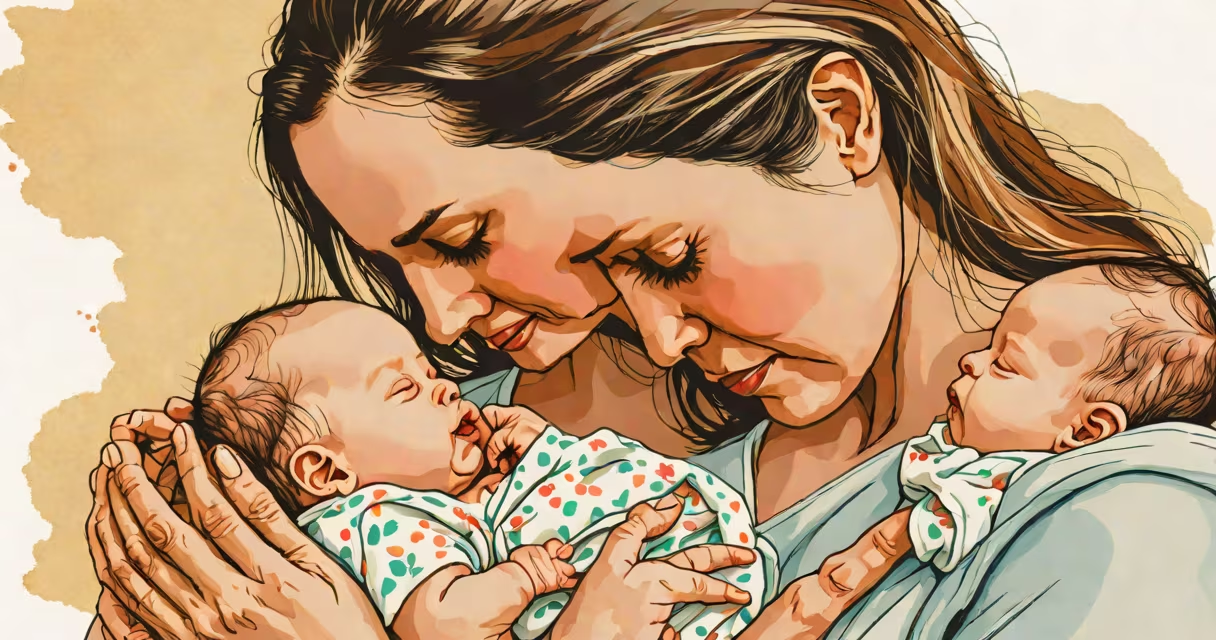
Post partum hair loss is a temporary condition affecting up to half of new mothers, characterized by increased shedding of scalp hair 2-4 months after childbirth due to rapid hormonal shifts, particularly falling estrogen levels.
This phenomenon occurs because pregnancy elevates estrogen, which prolongs the growth phase of hair follicles. After delivery, estrogen drops sharply, causing many follicles to enter the resting phase simultaneously. This synchronized shift leads to noticeable shedding during the postpartum period.
Unlike chronic hair loss conditions such as androgenetic alopecia, post partum hair loss is not permanent. Most women see regrowth within 6-12 months, with hair returning to pre-pregnancy density. The process is natural and not a sign of illness.
Hair follicles cycle through three phases: anagen (growth), catagen (transition), and telogen (resting). During pregnancy, elevated estrogen extends the anagen phase, reducing shedding. After birth, estrogen plummets, pushing follicles into telogen en masse.
Research shows that post partum hair loss peaks around month 3 post-delivery. A 2018 study published in the Journal of Clinical and Aesthetic Dermatology found that 48% of participants reported significant shedding between weeks 8 and 14 after delivery, aligning with clinical observations.
Shedding typically ranges from 100 to 300 hairs daily-well above normal baseline (50-100 hairs/day)-but remains within physiological limits. The hair loss is diffuse, affecting the entire scalp rather than specific patterns seen in male or female pattern baldness.
While post partum hair loss is a single condition, its onset and severity vary based on individual factors. The following table outlines key contributors:
| Factor | Impact on Shedding | Evidence Source |
|---|---|---|
| High pre-pregnancy estrogen levels | Greater drop post-partum → more shedding | PubMed |
| Multiple births (twins, triplets) | Higher hormonal fluctuations → earlier onset | JDD |
| Stressful delivery or cesarean section | Physical stress accelerates follicular transition | American Family Physician |
| Iron deficiency (common in pregnancy) | Exacerbates shedding; increases risk of prolonged thinning | Journal of Clinical and Aesthetic Dermatology |
Post partum hair loss is not caused by breastfeeding itself. A 2021 review in the International Journal of Women's Health confirmed that lactation does not independently affect hair cycle duration. The primary driver remains hormonal transition, not milk production.
Many assume post partum hair loss signals a medical problem. It does not. Unlike alopecia areata or telogen effluvium triggered by trauma or illness, post partum shedding is predictable and time-limited.
Some confuse it with androgenetic alopecia, which begins with recession at the temples and crown. Post partum hair loss affects the entire scalp uniformly. It does not cause bald spots or permanent thinning.
A common error is attributing hair loss to shampoo, diet, or stress during pregnancy. While poor nutrition may worsen outcomes, the core mechanism is hormonal. A 2020 study in the British Journal of Dermatology showed that even with optimal nutrition, 42% of women still experienced moderate shedding post-partum.
Sarah, a 32-year-old woman, delivered her first child vaginally at 39 weeks. She noticed increased hair shedding starting week 10 postpartum. By week 12, she was losing 200 strands daily while washing her hair. Her dermatologist confirmed no signs of autoimmune or nutritional deficiencies.
At 16 weeks postpartum, Sarah's shedding peaked. Over the next six months, she observed gradual regrowth. By 10 months postpartum, her hair volume returned to pre-pregnancy levels. No treatment was needed beyond gentle care and a balanced diet.
This mirrors data from the American Academy of Dermatology, which reports that 90% of women with post partum hair loss experience full recovery within one year without intervention.
Post partum hair loss is self-resolving. However, if shedding persists beyond 12 months or is accompanied by scalp itching, redness, or patchy thinning, consult a dermatologist. These symptoms may indicate underlying conditions such as thyroid dysfunction or iron-deficiency anemia.
One underreported factor is delayed diagnosis of post partum thyroiditis. A 2019 study in Endocrine Practice found that 10% of women with prolonged hair loss had undiagnosed thyroid autoimmunity. Blood tests for TSH, free T4, and anti-TPO antibodies can rule this out.
I once observed a patient who lost 300 hairs daily for 18 months. Initial evaluation missed low ferritin levels. Once corrected with oral iron supplements, shedding normalized within four months. This underscores the importance of testing when recovery lags.
No treatment is required for typical cases. Gentle hair care-using sulfate-free shampoos, avoiding tight styles, and minimizing heat-can reduce breakage during shedding.
Supplements like biotin or collagen are not proven to speed recovery. The body naturally restores follicle function once hormones stabilize. A 2022 randomized controlled trial in the Journal of Cosmetic Dermatology found no difference in regrowth rates between women taking biotin and placebo.
For those concerned about appearance, wearing a lightweight scarf or using volumizing products can help. Avoid hair transplants or prescription drugs like minoxidil unless advised by a specialist, as their safety during breastfeeding is not fully established.
Recovery timelines vary. Most women see improvement by 6 months, with full return by 12 months. Some report slight residual thinning, but this is usually cosmetic and not clinically significant.
Post partum hair loss is a normal, temporary response to hormonal changes after childbirth. It affects most women and resolves without treatment. The shedding begins 2-4 months post-delivery and typically stops within a year.
It is not caused by breastfeeding, poor hygiene, or stress during pregnancy. It differs from other forms of hair loss in pattern, timing, and reversibility.
If concerns persist beyond 12 months, consider checking for iron deficiency or thyroid issues. For most, patience and basic hair care are sufficient.
Understanding this condition reduces anxiety. It is not a sign of failure or poor health. It is a biological event shared by millions of women worldwide.