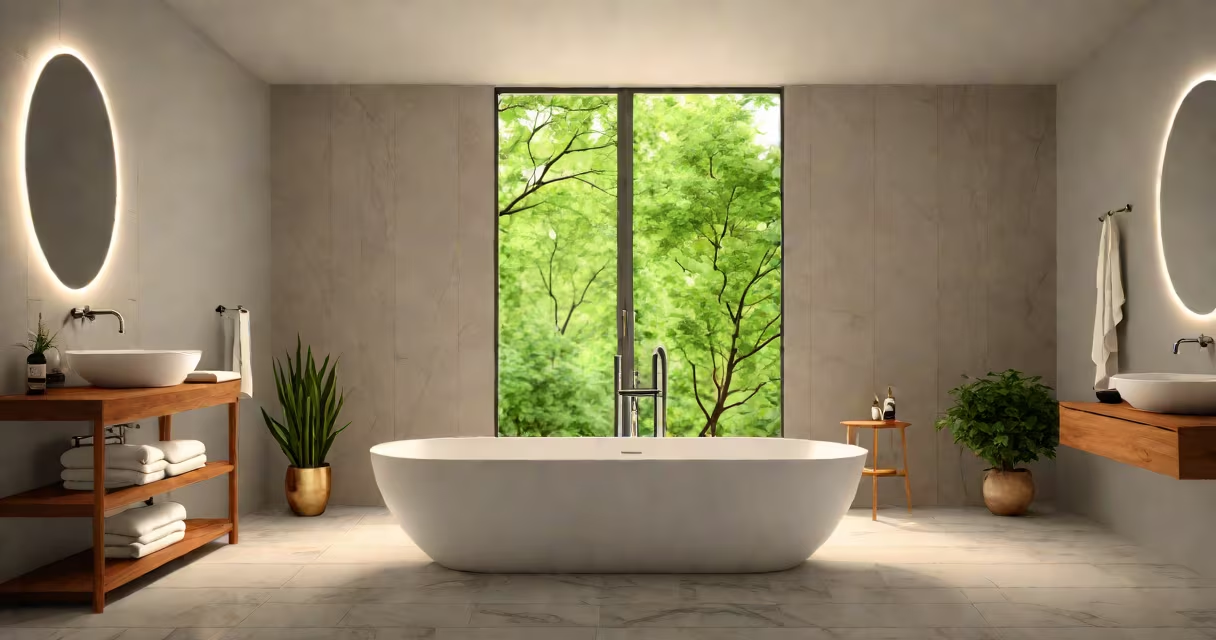
Bathtubs for bathrooms are plumbing fixtures designed to hold water for bathing, available in multiple styles, materials, and installation types to suit different room layouts, budgets, and aesthetic preferences. They serve both functional and decorative roles in residential and commercial spaces.
Most bathtubs for bathrooms are made from acrylic, cast iron, fiberglass, or stone resin. Acrylic models are lightweight, affordable, and retain heat well. Cast iron tubs offer durability and excellent heat retention but are heavier and more expensive. Fiberglass is common in budget models and often used in prefabricated showers and tub combos. Stone resin, such as cultured marble or quartz composite, provides a high-end look with resistance to chipping and staining.
Installation types fall into four categories: alcove (recessed into a wall), drop-in (set into a platform), freestanding (not attached to walls), and corner (shaped to fit tight corners). Alcove tubs are standard in most American homes, taking up less floor space. Freestanding tubs are popular in master bathrooms for their visual impact and comfort, especially for soaking. Drop-in tubs require a custom deck or surround, while corner tubs maximize space in small rooms.
A bathtub functions by holding water through a drain system connected to a P-trap and sewer line. Water enters via a faucet or showerhead, and drains through a stopper mechanism controlled manually or automatically. Most bathtubs have a drain plug or pop-up assembly that seals the outlet when closed and opens when lifted.
Water temperature control depends on the mixing valve. Single-handle faucets blend hot and cold water with one lever. Dual-handle systems allow independent adjustment of hot and cold flow. Modern thermostatic valves regulate temperature precisely, reducing scald risk and maintaining consistent warmth during a bath.
Some bathtubs for bathrooms include additional features like built-in jets (hydrotherapy), chromotherapy lighting, Bluetooth speakers, or heated seats. These are typically found in high-end models and require electrical wiring and proper grounding. The inclusion of such features increases installation complexity and cost.
The following table outlines key types, their dimensions, typical uses, and material options.
| Type | Typical Size (L×W×D) | Best For | Common Materials |
|---|---|---|---|
| Alcove | 60×30×18 in | Standard bathrooms, resale homes | Acrylic, fiberglass |
| Freestanding | 66×32×18 in | Master suites, design-focused spaces | Acrylic, cast iron, stone resin |
| Drop-in | 60×30×18 in | Custom builds, modern aesthetics | Stone resin, acrylic |
| Corner | 48×48×18 in | Small bathrooms, efficiency | Acrylic, fiberglass |
Freestanding bathtubs for bathrooms are often chosen for their architectural presence. A 66-inch long, 32-inch wide cast iron model with a clawfoot base can cost $2,500-$4,000 and requires a reinforced floor. These tubs are not installed behind walls and are visible from all angles, making them focal points in a room.
Alcove tubs remain the most common in new construction. They fit within a framed wall cavity and are typically paired with a shower enclosure. Their standard size allows for easy replacement during remodels. However, they limit access to the sides and may feel enclosed.
Bathtubs for bathrooms serve hygiene, relaxation, and therapeutic purposes. The Centers for Disease Control and Prevention (CDC) notes that soaking in warm water can reduce muscle tension and improve sleep quality. Many people use bathtubs for stress relief, especially after physical activity or long days.
In residential settings, bathtubs are central to bathroom design. According to the National Kitchen and Bath Association (NKBA), 68% of homeowners prioritize a spa-like bathroom experience during renovations. This includes walk-in showers, heated floors, and premium bathtubs. A freestanding tub with ambient lighting and sound system can increase home value by up to 12%, per a 2022 report from the Real Estate Center at Texas A&M University.
Commercial applications include hotels, spas, and medical facilities. In healthcare, bathtubs are adapted for accessibility, featuring grab bars, non-slip surfaces, and low thresholds. Some models are designed for patients with mobility issues, allowing seated entry and exit.
Many assume that all bathtubs for bathrooms are large and impractical for small spaces. This is false. Corner and alcove models are specifically engineered for compact bathrooms. A 48×48-inch corner tub fits in a 6×6-foot room and leaves space for a vanity and toilet.
Another misconception is that freestanding bathtubs are always expensive. While luxury models cost $3,000+, budget-friendly acrylic versions start at $600. Brands like Kohler and American Standard offer freestanding designs under $1,000 with solid build quality and warranty coverage.
A lesser-known fact: bathtubs for bathrooms are not required to be installed level. The National Plumbing Code (IPC 2021) permits a tolerance of up to 1/4 inch per foot of length. However, improper leveling can cause uneven water distribution and premature wear on the drain system. Always use a spirit level during installation.
I installed a 60-inch acrylic freestanding tub in my guest bathroom. The process took two days. I had to reinforce the subfloor with 2x6 joists spaced 16 inches apart to support the weight-about 400 pounds when filled. I used a laser level to ensure the tub sat perfectly flat. After connecting the drain and overflow pipes, I tested the system with five gallons of water before filling it completely. The result was stable, quiet, and visually striking.
One challenge: the drain pipe needed to be angled slightly downward to prevent clogs. I used a 1/4-inch-per-foot slope, which met code requirements. The final step was sealing around the base with silicone caulk to prevent leaks.
Bathtubs for bathrooms are more than just places to soak-they're design elements, wellness tools, and practical components of daily life. Whether you choose a compact alcove unit or a statement freestanding piece, selecting the right one involves measuring your space, understanding your budget, and matching your lifestyle. Consider material, installation method, and optional features carefully. The right bathtub enhances comfort, style, and functionality in any bathroom.