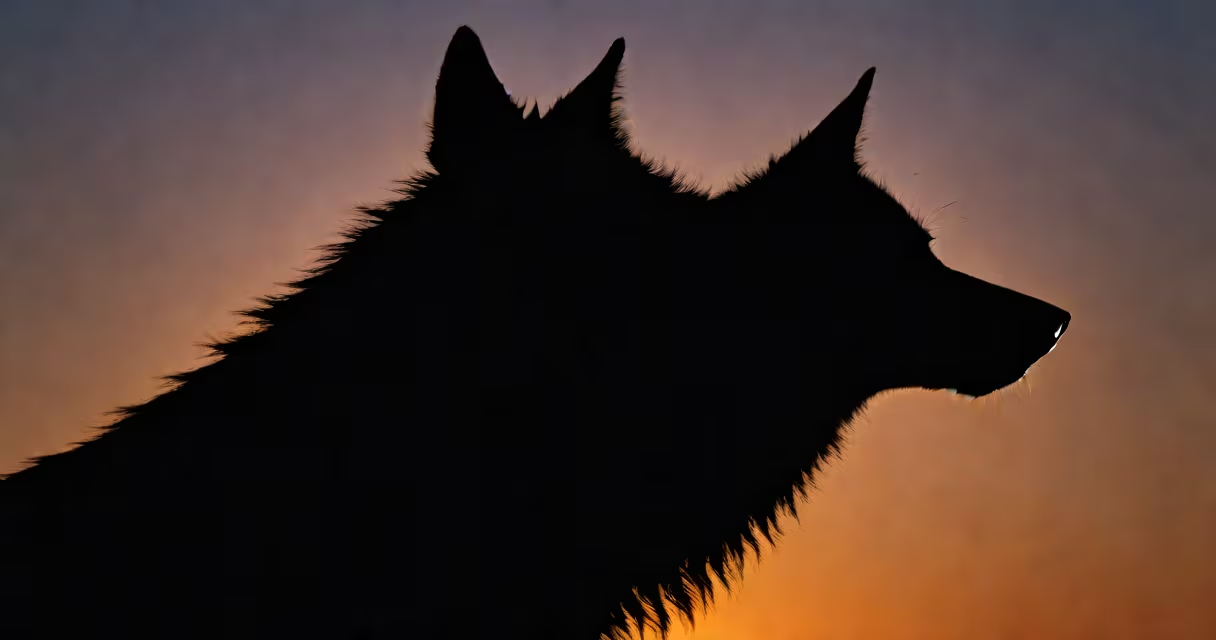
A spirit animal is a symbolic representation of inner qualities, life lessons, or spiritual guidance drawn from a specific animal's traits. It emerges through cultural traditions, personal intuition, or dream experiences, often reflecting a person's current process or core values.
Rooted in Indigenous worldviews across North America, Siberia, and parts of Africa, spirit animals are not pets or fantasy figures. They are living metaphors passed down through oral storytelling, ceremonies, and rites of passage. The concept is not about ownership-it's about recognition. A person may feel drawn to a bear's strength during a period of recovery, or a raven's intelligence when going through complex decisions.
Modern interpretations sometimes reduce the idea to a trendy personality quiz result. But authentic spirit animal meaning arises from sustained reflection, not algorithmic matching. The animal doesn't "choose" you-it reveals itself through patterns in your dreams, recurring encounters, or emotional responses to certain species.
They function as archetypal symbols, drawing on universal behaviors observed in nature. A fox's cunning, a deer's sensitivity, a hawk's vision-these traits aren't arbitrary. They reflect psychological states or life challenges. When someone repeatedly sees a particular animal, especially in moments of transition, it may signal a deeper message about their internal field.
For example, a woman going through a career shift reported seeing a heron near her window every morning for three weeks. She had never noticed them before. After researching, she learned heron behavior-stillness, patience, focus on hidden prey. That mirrored her own struggle to identify opportunities in a stagnant job market. The heron became her spirit animal, not because it was "assigned," but because its presence aligned with her inner state.
Some traditions use vision quests or fasting rituals to invite such revelations. Others rely on dream journals. The key is consistency-not just one sighting, but repeated patterns across time. The animal's role isn't to predict the future, but to clarify your current path.
Spirit animals vary widely by region and lineage. In Ojibwe tradition, each person receives a totem at birth, determined by elders based on dream signs or family lineage. In Lakota belief, the vision quest involves solitude, fasting, and prayer to receive a guiding spirit-often an animal form.
These aren't interchangeable. A wolf in Native American lore symbolizes loyalty, pack unity, and protection. In Celtic mythology, the stag represents wisdom, regeneration, and connection to sacred spaces. In West African Yoruba tradition, the leopard embodies stealth, adaptability, and ancestral power.
| Cultural Origin | Common Spirit Animal | Symbolic Meaning |
|---|---|---|
| Ojibwe (Anishinaabe) | Loon | Truth-telling, emotional clarity, spiritual communication |
| Lakota | Bear | Strength, introspection, healing, protection |
| Celtic | Stag | Wisdom, renewal, connection to the divine |
| Yoruba (Nigeria) | Leopard | Stealth, transformation, ancestral authority |
Non-indigenous cultures have adopted the concept, often blending it with New Age spirituality. This has led to confusion-some people treat spirit animals as interchangeable mood symbols. But authentic meaning requires context. A raven in Inuit culture is a trickster and creator figure, not just a "mysterious" bird.
One widespread error is treating spirit animals as permanent assignments. In reality, they can shift. A person who identifies with a snake during a period of personal transformation may later resonate with an eagle as they gain new perspectives. The animal reflects your evolving self, not a fixed label.
Another mistake is equating a spirit animal with a favorite animal. Just because you love pandas doesn't mean they're your guide. The difference lies in frequency, emotional weight, and symbolic resonance. Seeing a panda in a dream while feeling anxious about environmental loss? That's different from liking them on a zoo visit.
There's also a tendency to seek external validation. People ask, "Is my spirit animal correct?" The answer isn't yes or no-it's whether the animal's traits help you understand your choices. If a jaguar shows up in your journal and you're facing a difficult decision, ask: What does the jaguar represent in this situation? Power? Focus? Fearlessness?
I once facilitated a small group workshop where participants shared recurring animal images from dreams. One man described seeing a crow every night for six nights during a divorce. He felt uneasy at first-crows are often associated with death in Western culture. But he researched and found that in many Indigenous traditions, crows are messengers, mediators between worlds.
He realized the crow wasn't warning him of loss-it was urging him to listen to his intuition during a time of upheaval. He began journaling about decisions using crow-like traits: observation, neutrality, clear communication. Within months, he made a choice that aligned with his values, not fear.
This isn't mystical magic. It's pattern recognition. The animal becomes a lens for self-reflection. You don't need to believe in spirits to benefit from the metaphor. The power lies in naming your inner state through something tangible.
A spirit animal is not a pet, a logo, or a social media avatar. It's not a way to "manifest" success or attract wealth. It's not a substitute for therapy or medical care. If you're struggling with anxiety, depression, or trauma, a spirit animal won't replace professional support.
It's also not a trend. While apps and quizzes now offer "spirit animal tests," these often oversimplify. One popular quiz asks users to pick a color, then assigns an animal based on that. The results are statistically random, not spiritually meaningful. True spirit animal meaning comes from lived experience, not click-based algorithms.
And finally, it's not about superiority. Some people claim their animal is "higher" than others-eagle over squirrel, lion over mouse. But in most traditions, all animals hold equal spiritual value. A spider weaves webs of connection. A mole tunnels through darkness. Both serve essential roles.
Start with a quiet space. Keep a notebook. Record animals you see-on walks, in dreams, in art. Note your emotional reaction. Did you feel calm? Alert? Awed? Frightened?
Research the animal's natural behavior. Look beyond stereotypes. For example, owls are often seen as wise, but their nocturnal habits also reflect listening, stillness, and awareness of hidden truths.
Then ask: What part of me does this animal mirror? What challenge am I facing that this creature's traits could help me meet?
When you find a match, test it. Try acting as the animal would-calm like a turtle, bold like a fox. See how it feels. You don't have to believe in magic. Just notice what shifts inside you.
What is a spirit animal mean? It means recognizing that nature speaks in symbols. And sometimes, the animal you keep seeing isn't just a creature-it's a version of yourself, emerging from the wild within.