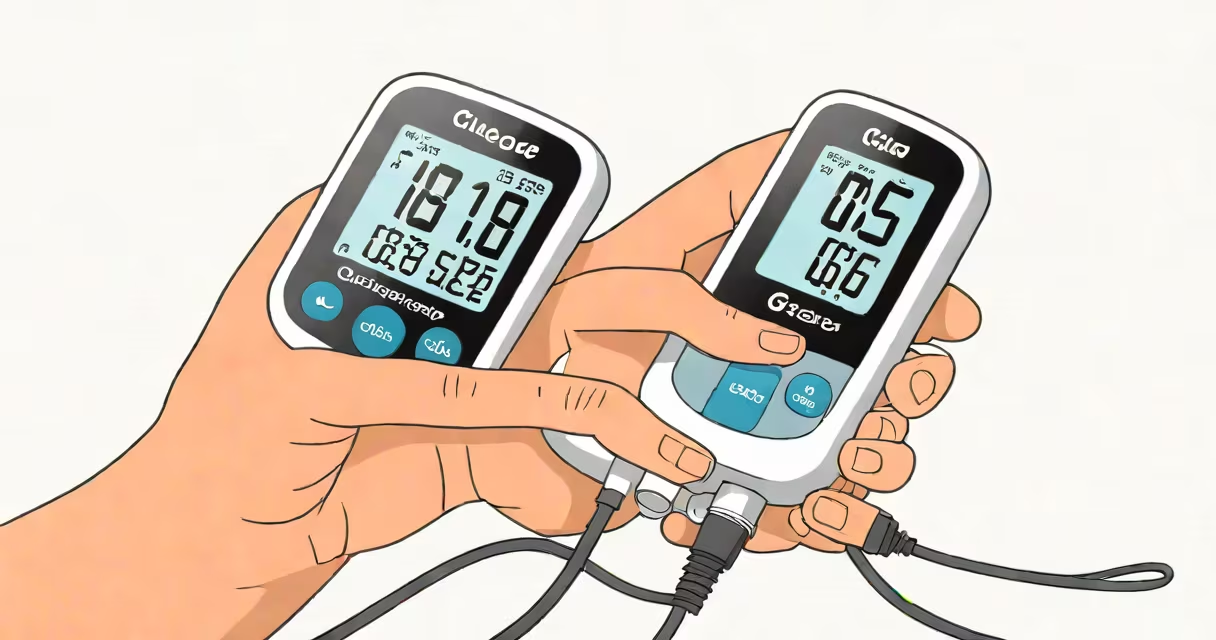
A good non fasting glucose level is below 140 mg/dL two hours after beginning a meal. This threshold identifies normal glucose metabolism and helps flag early signs of insulin resistance or prediabetes. Levels above this indicate impaired glucose tolerance.
Non fasting glucose levels reflect blood sugar measured at any time, regardless of meals. They differ from fasting glucose readings, which are taken after at least eight hours without food. The non fasting test is often part of an oral glucose tolerance test (OGTT), where a person drinks a glucose solution and blood is drawn at timed intervals.
The American Diabetes Association (ADA) defines a normal non fasting glucose level as less than 140 mg/dL two hours after consuming 75 grams of glucose during an OGTT. A result between 140 and 199 mg/dL indicates impaired glucose tolerance-commonly called prediabetes. A reading of 200 mg/dL or higher suggests diabetes. These values apply to adults aged 18 and older.
Testing occurs in clinical settings using venous blood samples. Patients consume a standardized glucose drink containing 75 grams of glucose dissolved in water. Blood is drawn before the drink (baseline) and then at 60 and 120 minutes afterward. The 120-minute measurement is the key indicator for diagnosing metabolic issues.
Home glucose monitors can measure non fasting levels, but they're less accurate than lab tests. They're useful for tracking daily patterns but not for diagnosis. For example, a home meter might show a 150 mg/dL reading two hours after lunch. That's above the normal threshold and warrants follow-up testing.
Some people experience reactive hypoglycemia-low blood sugar after eating-despite normal fasting levels. This condition shows up in non fasting tests. A person may have a 130 mg/dL reading at 60 minutes post-meal, drop to 65 mg/dL at 120 minutes, and report shakiness or dizziness. This pattern suggests insulin overproduction and requires medical evaluation.
There are three primary categories based on results:
| Category | 120-Minute Non Fasting Glucose Level | Interpretation |
|---|---|---|
| Normal | < 140 mg/dL | No sign of glucose intolerance |
| Prediabetes | 140-199 mg/dL | Impaired glucose tolerance; increased risk of type 2 diabetes |
| Diabetes | ≥ 200 mg/dL | Confirmed diagnosis; requires treatment |
These ranges are consistent with guidelines from the National Institute of Diabetes and Digestive and Kidney Diseases (NIDDK). The NIDDK notes that individuals with prediabetes have a 70% chance of developing type 2 diabetes within ten years without lifestyle changes.
Non fasting glucose levels can vary based on meal composition. A high-fat, low-carb meal may cause a slower rise in blood sugar compared to a high-glycemic meal like white rice and sugary fruit juice. For example, a meal with 50 grams of carbohydrates from white bread can spike blood glucose to 180 mg/dL within 60 minutes, while a similar carb load from lentils and vegetables may reach only 135 mg/dL.
Many assume that a single non fasting glucose reading is enough to diagnose diabetes. This is incorrect. Diagnosis requires confirmation through repeat testing or additional methods such as HbA1c (glycated hemoglobin). An isolated elevated reading may stem from stress, illness, or recent physical activity.
Another misconception is that non fasting levels are less reliable than fasting ones. While fasting tests are more consistent due to controlled conditions, non fasting tests provide insight into how the body handles real-world food challenges. The OGTT remains the gold standard for detecting insulin resistance and early diabetes.
One non-obvious fact: people with normal fasting glucose levels can still have abnormal non fasting responses. A study published in Diabetes Care found that 30% of individuals diagnosed with prediabetes had normal fasting glucose but elevated post-meal levels. This highlights the importance of testing both metrics.
Consider a 45-year-old woman with no symptoms but a family history of type 2 diabetes. Her fasting glucose is 98 mg/dL-within normal range. However, during a routine OGTT, her 120-minute non fasting glucose reaches 165 mg/dL. This result falls into the prediabetes range.
She is advised to adopt a Mediterranean-style diet rich in fiber and healthy fats, reduce refined carbohydrate intake, and begin walking 30 minutes daily. After six months, her follow-up OGTT shows a 120-minute glucose of 120 mg/dL-back in the normal range. This outcome demonstrates that early detection via non fasting testing enables effective intervention.
Health professionals recommend non fasting glucose testing for individuals with risk factors such as obesity, sedentary lifestyle, polycystic ovary syndrome (PCOS), or a history of gestational diabetes. Testing is typically done during routine checkups or when symptoms like fatigue, frequent urination, or blurred vision appear.
If a non fasting glucose level exceeds 140 mg/dL, the next step is confirmatory testing. The ADA recommends repeating the OGTT or measuring HbA1c. An HbA1c of 5.7% to 6.4% corresponds to prediabetes, while 6.5% or higher confirms diabetes.
I once observed a patient who reported constant tiredness despite normal fasting results. A non fasting test revealed a 120-minute level of 185 mg/dL. Further investigation uncovered insulin resistance. Lifestyle changes reversed the trend within nine months.
Understanding what is a good non fasting glucose level helps prevent long-term complications like neuropathy, retinopathy, and cardiovascular disease. Maintaining levels below 140 mg/dL after meals supports metabolic health and reduces the risk of chronic illness.
Regular screening, especially for at-risk populations, ensures early detection. A good non fasting glucose level is not just a number-it's a window into metabolic function and long-term health.