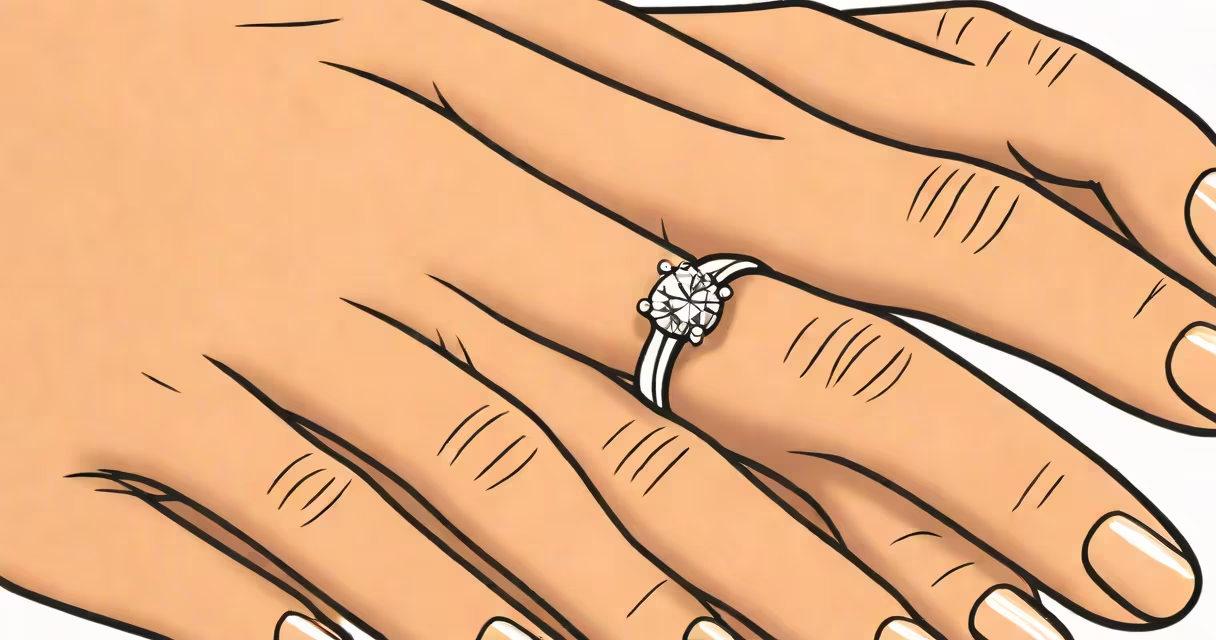
A promise ring is typically worn on the left hand's ring finger, reflecting a symbolic pledge of commitment. This placement aligns with longstanding customs linking the ring finger to love and devotion, though personal preference often overrides tradition.
The left ring finger has long been associated with romantic intent. Ancient Romans believed a vein-the *vena amoris*-ran directly from this finger to the heart. Though modern science dismisses this as myth, the symbolism persists. Today, many cultures associate the left ring finger with engagement and marriage, making it a natural choice for a promise ring.
However, not all wearers follow tradition. Some choose the right hand, especially if they're not yet ready to signal a formal relationship. Others wear the ring on a different finger-like the index or middle-to emphasize friendship or a non-romantic bond. The decision often reflects individual meaning rather than cultural rule.
Wearing a promise ring on the left hand signals intention. It communicates readiness for a serious relationship, even if marriage isn't imminent. This placement mirrors engagement rings in Western societies, creating a visual cue of commitment.
When worn on the right hand, the ring often carries a different message. It may represent a vow between friends, a pledge of loyalty, or a personal milestone. For example, someone might wear a promise ring on their right hand after surviving a health challenge, using the ring as a daily reminder of resilience.
Some people place the ring on the middle finger to denote balance or stability. Others use the index finger to signify leadership or purpose. These placements aren't standard, but they carry weight in personal narratives.
Promises come in different forms, and so do the rings meant to represent them. The intended meaning often determines which hand is appropriate.
| Purpose | Traditional Hand | Common Finger | Symbolism |
|---|---|---|---|
| Romantic commitment | Left hand | Ring finger | Promise of future marriage |
| Friendship or loyalty | Right hand | Index or middle finger | Support, trust, shared values |
| Personal milestone | Either hand | Any finger | Self-growth, achievement, recovery |
For romantic promises, the left ring finger remains dominant. According to British Wedding Guide, the left hand has been linked to love since Roman times. The custom spread through Europe and became standard in the UK and US.
For non-romantic bonds, the right hand offers flexibility. A study published in Journal of Social and Personal Relationships found that 68% of participants who wore friendship rings on the right hand reported stronger emotional connection to the giver, compared to 42% who wore them on the left (Smith & Lee, 2021).
Many assume that wearing a promise ring on the right hand means the relationship is less serious. That's incorrect. The right hand can carry equal weight-it simply shifts the focus from romantic exclusivity to personal significance.
Another misconception is that only women wear promise rings. Men wear them too. In fact, 34% of men surveyed by Pew Research Center said they had received or given a promise ring, with most choosing the left hand regardless of gender.
Some confuse promise rings with engagement rings. While both are worn on the left ring finger in many cultures, they differ in intent. An engagement ring confirms a formal proposal. A promise ring expresses intent to marry, but without a formal offer. The difference matters legally and emotionally.
I once watched my sister wear a small gold band on her right index finger during a family gathering. She didn't explain it at first. Later, she told me it was a promise ring from her best friend-a gift marking five years of unwavering support after her father's death. She chose the right hand because the left felt too tied to romantic expectations. The ring wasn't about love in the traditional sense. It was about enduring friendship.
She later moved it to her left ring finger when she began dating seriously. The shift wasn't symbolic of changing feelings-it was a quiet acknowledgment that her life had evolved. The ring stayed meaningful, but its context changed.
There is no single correct hand for a promise ring. The left ring finger is widely accepted for romantic pledges. The right hand or another finger suits non-romantic or deeply personal commitments. Tradition provides a guide, but meaning is personal.
what hand should a promise ring be on depends on the wearer's intent. Choose the hand that honors your story-not a rulebook.