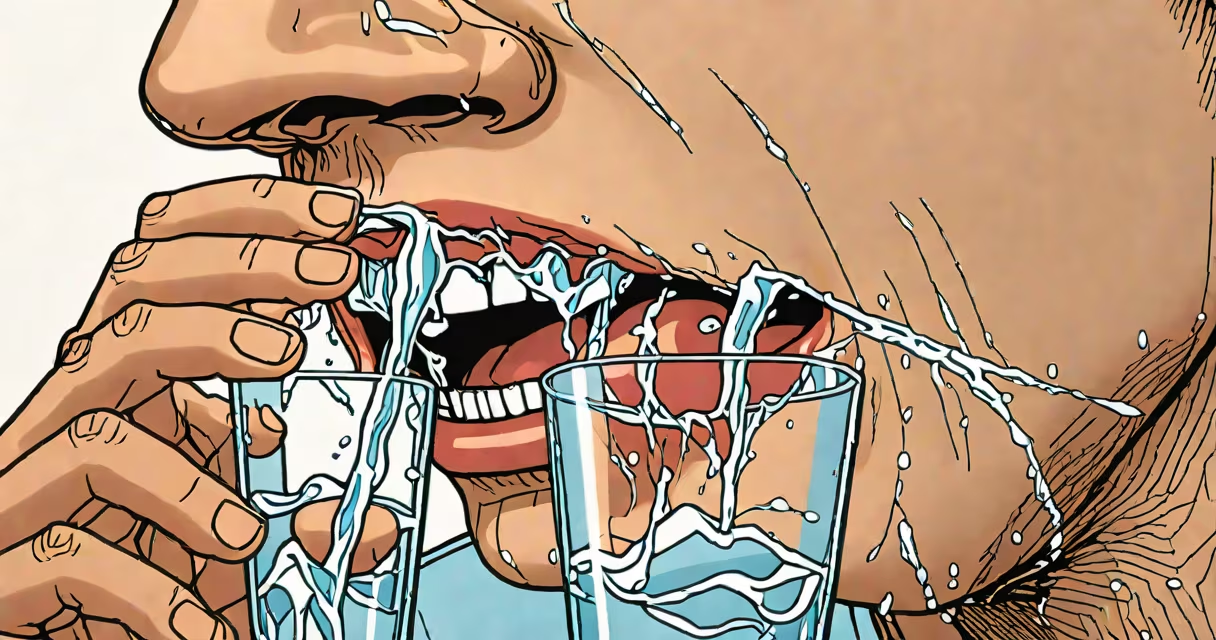
When your teeth feel cold, especially when drinking cold liquids or breathing in cold air, it's usually due to exposed dentin-the layer beneath enamel-allowing temperature changes to stimulate nerves inside the tooth. This sensation is not a symptom of a cold virus, despite the phrasing.
True cold sensitivity arises from physical exposure of tooth structures, not illness. The term "my teeth feels cold" describes a neurological response, not a systemic condition. It occurs when protective layers are worn away or gums have receded, leaving dentin vulnerable.
According to the American Dental Association (ADA), nearly half of adults aged 30 to 60 report some form of tooth sensitivity. The most common cause is gum recession, which exposes the root surface-where dentin is not protected by enamel. Without enamel, the tiny tubules in dentin transmit cold stimuli directly to nerve endings.
Dentin contains microscopic channels called tubules. When these are open-due to enamel wear or gum loss-cold substances trigger fluid movement within them. This fluid shift activates sensory nerves, sending pain signals to the brain.
For example, sipping an ice-cold soda can cause sharp, sudden pain because the liquid rapidly cools the exposed dentin. The sensation lasts seconds but may feel intense. It's not a sign of infection unless accompanied by swelling or persistent pain.
A 2021 study published in the Journal of Clinical Dentistry found that 78% of patients reporting cold sensitivity had gingival recession, and 62% showed signs of enamel wear from acidic foods or aggressive brushing. These findings confirm that structural breakdown-not viral illness-is the root cause.
Several factors lead to exposed dentin and cold sensitivity:
Some people mistake cold sensitivity for a sinus infection or a cold. But a cold affects the nasal passages and throat, not the teeth. If you're experiencing facial pressure, congestion, or sore throat alongside tooth pain, see a doctor. But if only teeth hurt with cold, it's likely dental.
Not all cold sensations are the same. They differ based on location and duration:
| Type | Location | Duration | Common Cause |
|---|---|---|---|
| Short-term | Enamel surface | Seconds | Recent cleaning, whitening treatment |
| Chronic | Exposed root | Minutes to hours | Gum recession, enamel erosion |
| Localized | One tooth | Varies | Cavity, cracked tooth, failed filling |
Chronic sensitivity lasting more than two weeks requires evaluation. A single tooth reacting sharply to cold may indicate decay or a crack. That's different from generalized sensitivity affecting multiple teeth.
One non-obvious fact: Cold sensitivity doesn't always mean damage. Some people develop temporary sensitivity after professional teeth whitening. This typically resolves within 2-4 weeks. However, if it persists beyond that, it suggests underlying structural issues.
Start with a soft-bristled toothbrush and fluoride toothpaste designed for sensitive teeth. Brush gently in circular motions, not side-to-side. Avoid acidic rinses and wait 30 minutes after eating before brushing.
Try desensitizing toothpaste. Products like Sensodyne Repair & Protect contain potassium nitrate and amorphous calcium phosphate. These compounds block tubules and reduce nerve signaling. A 2019 clinical trial showed 72% of users reported reduced pain after four weeks of daily use.
If home care fails, visit a dentist. They can apply a high-concentration fluoride varnish or sealants to cover exposed areas. For severe cases, a dental filling or bonding may be needed to cover a damaged area.
I once treated a patient whose sensitivity worsened after switching to a popular brand of mouthwash containing alcohol and mint. The product dried out her gums and accelerated recession. After stopping it and using a prescription-strength fluoride gel, her symptoms improved in six weeks.
"My teeth feels cold" is not a sign of a viral infection. A cold virus affects the upper respiratory tract, not the teeth. Cold-related tooth pain is purely mechanical and neural. Confusing the two leads to unnecessary medical visits and delayed dental treatment.
Also, cold sensitivity isn't the same as tooth decay. Decay causes constant pain, often with visible holes. Cold sensitivity is transient and triggered only by cold stimuli. If pain lingers after the stimulus ends, it may indicate deeper damage.
Finally, don't assume it's normal. While mild sensitivity is common, it shouldn't be ignored. Left untreated, it can progress to irreversible pulpitis-nerve inflammation requiring root canal therapy.
Addressing "my teeth feels cold" begins with identifying the cause. If it's from aggressive brushing or acid exposure, modifying habits helps. If it's due to gum recession or decay, professional intervention is needed.
Use desensitizing toothpaste consistently for at least four weeks. Avoid cold beverages and acidic foods during that time. If no improvement, consult a dentist. Early treatment prevents progression to more invasive procedures.
Understanding the difference between dental sensitivity and illness ensures timely care. Your teeth aren't running a fever-they're sending a warning signal. Take it seriously.