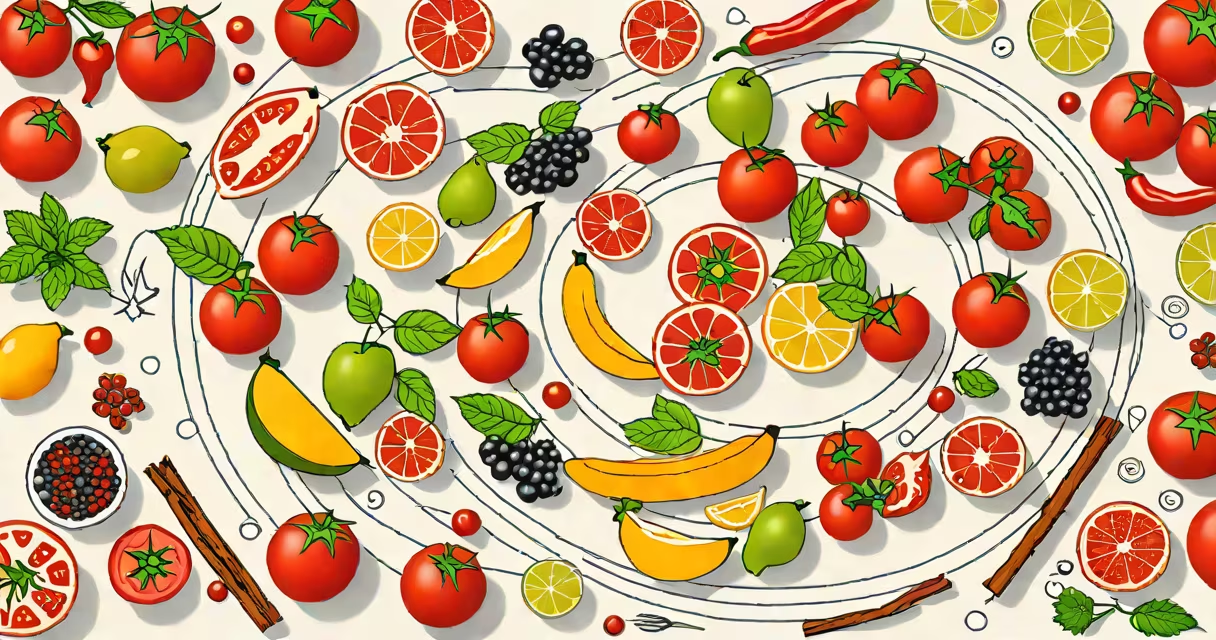
Histamine liberators are foods that prompt the body to release histamine from immune cells, even though they don't contain histamine themselves. These foods can trigger symptoms like headaches, flushing, digestive upset, and fatigue in people sensitive to histamine. The effect stems from the body's biological response, not the food's chemical content.
Unlike high-histamine foods-such as aged cheeses or fermented vegetables-histamine liberators do not carry histamine. Instead, they stimulate mast cells to degranulate and release stored histamine. This distinction is critical: someone with histamine intolerance may tolerate low-histamine foods but still react to liberators.
Common histamine liberators include citrus fruits, strawberries, tomatoes, eggplant, spinach, alcohol, chocolate, and certain spices like cinnamon and vanilla. These foods are often safe for most people but can disrupt balance in those with impaired histamine metabolism due to low diamine oxidase (DAO) enzyme activity.
Mast cells, located throughout tissues including skin, gut lining, and respiratory tract, store histamine in granules. When exposed to certain triggers-like specific foods-the cells release their contents into surrounding tissue. This process is part of the immune system's defense mechanism but can cause issues when overactive.
Research shows that certain food compounds act as direct or indirect stimuli for mast cell degranulation. For example, citric acid in citrus fruits and salicylates in strawberries have been linked to increased histamine release in sensitive individuals. A 2020 study published in Frontiers in Immunology confirmed that salicylates can induce mast cell activation in vitro, supporting their role as potential liberators.
Not everyone reacts to these foods. Sensitivity depends on genetic factors affecting DAO enzyme levels and immune reactivity. People with mutations in the DAO gene often struggle to clear excess histamine, making liberator exposure more likely to cause symptoms.
The following list includes common food categories known to trigger histamine release. Not all members of a category behave the same way-individual variation exists.
| Foods | Key Compounds | Why They Liberate |
|---|---|---|
| Tomatoes, eggplant, peppers | Solani, capsaicin (in spicy variants) | Stimulate mast cell degranulation via inflammatory pathways |
| Strawberries, cherries, blueberries | Salicylates, quercetin | Quercetin stabilizes mast cells in some cases but can trigger release in others |
| Citrus fruits (oranges, lemons, limes) | Citric acid, limonene | Acidic environment may destabilize mast cell membranes |
| Alcohol (especially red wine) | Aldehyde metabolites, sulfites | Impairs DAO function and increases permeability of gut barrier |
| Chocolate, cocoa | Theobromine, phenylethylamine | Direct stimulant of mast cell activity in sensitive individuals |
| Cinnamon, vanilla, cloves | Eugenol, vanillin | Can activate TRP channels linked to inflammation and histamine release |
A 2021 review in Nutrients noted that while many foods are labeled "liberators," evidence varies widely. Some, like chocolate, show consistent reports of triggering symptoms in clinical trials, while others lack controlled human data.
These foods are not intentionally used to release histamine. Their presence in diets stems from culinary tradition, nutritional value, and sensory appeal. Citrus fruits provide vitamin C, berries offer antioxidants, and spices improve flavor.
However, in populations with histamine intolerance-estimated at 1-2% of adults in Western countries-these foods become problematic. Symptoms often mimic allergies or food sensitivities, leading to misdiagnosis. A 2019 study in Journal of Clinical Medicine found that 68% of patients diagnosed with "food allergy" actually had histamine intolerance, with liberators playing a major role.
People managing histamine intolerance often follow a low-liberator diet under medical supervision. Elimination and reintroduction phases help identify individual triggers. For example, one patient reported resolving chronic migraines after removing strawberries and citrus from their diet, despite normal histamine levels in blood tests.
Many assume all high-histamine foods are liberators. This is incorrect. Fermented soy sauce contains 100-200 mg histamine per 100g, but it doesn't trigger release-it delivers histamine directly. A food can be both high in histamine and a liberator, but the mechanisms differ.
Another misconception is that all citrus fruits are equal. Oranges and grapefruits are more likely to trigger reactions than lemons, which have higher citric acid but lower salicylate content. Individual tolerance varies.
Histamine liberators are not universally harmful. A 2022 randomized trial in European Journal of Nutrition showed that healthy adults consuming moderate amounts of strawberries and citrus experienced no significant changes in serum histamine levels or symptom scores. The issue arises only in those with compromised histamine clearance.
Consider a 38-year-old woman with a history of seasonal allergies and recurring migraines. After eliminating high-histamine foods, her symptoms improved slightly but persisted. She began tracking meals and noticed flare-ups after eating tomato-based pasta and strawberries.
She eliminated both for two weeks. Her migraines decreased from five per month to one. Reintroducing tomatoes caused a mild headache within 90 minutes. Blood tests showed normal baseline histamine, confirming the reaction was due to liberation, not dietary histamine load.
This case illustrates that liberators can drive symptoms independently of histamine content. Diagnosis requires careful elimination and observation-not just lab results.
Recognizing what foods are histamine liberators allows people with sensitivity to make informed choices. The goal is not to eliminate all potentially reactive foods but to identify personal triggers through systematic testing and professional support.