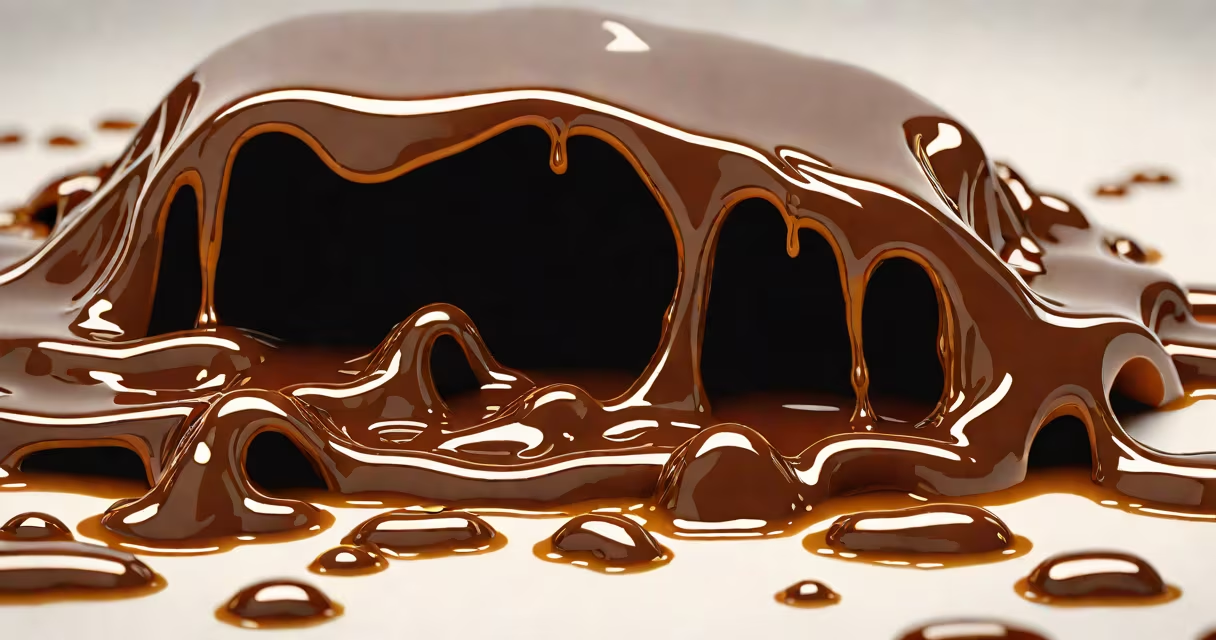
Tarry poop, medically known as melena, appears dark brown to black, sticky, and glossy-resembling tar or wet asphalt. It results from partially digested blood in the upper gastrointestinal tract, typically from ulcers, gastritis, or esophageal varices. The color and texture stem from hemoglobin breaking down as it moves through the digestive system.
Unlike normal stool, which ranges from light to dark brown and forms solid, well-shaped pieces, tarry poop lacks form. It clumps together, often sticks to the toilet bowl, and may have a foul odor. Its consistency resembles thick syrup or mud. This appearance is not due to diet alone-while foods like blueberries or iron supplements can darken stool, they don't produce the characteristic sheen or stickiness of melena.
A 2021 study in Gastroenterology & Hepatology confirmed that melena correlates with upper GI bleeding in 86% of cases, with the majority originating from the stomach or duodenum. The pigment heme, when exposed to gastric acid and enzymes, transforms into iron sulfide, creating the black, tarry appearance. This process takes roughly 6-12 hours to complete.
When blood enters the upper GI tract-stomach, duodenum, or proximal small intestine-it mixes with digestive enzymes and bile. As it travels through the intestines, the iron in hemoglobin oxidizes and combines with sulfur compounds, forming iron sulfide. This compound gives the stool its signature black, shiny look.
The transformation occurs rapidly. A single episode of bleeding from a peptic ulcer can result in melena within 8 hours. Blood from lower GI sources-colon or rectum-appears bright red or maroon, not black, because it doesn't spend enough time in the gut to undergo the chemical changes needed for tarry appearance.
Stool samples from patients with confirmed upper GI bleeds show consistent features: pH below 7.0, positive guaiac test (indicating occult blood), and absence of dietary causes. A 2019 review in World Journal of Gastroenterology emphasized that melena is not a symptom but a clinical sign-its presence demands immediate investigation.
Peptic ulcers caused by H. pylori infection or NSAID use account for nearly 60% of melena cases. Other causes include Mallory-Weiss tears (from forceful vomiting), esophageal varices (common in cirrhosis), and gastric adenocarcinoma. Chronic use of aspirin or ibuprofen increases risk by impairing platelet function and damaging mucosal lining.
Non-gastrointestinal sources are rare but possible. Hemorrhoids or anal fissures cause bright red blood, not tarry stools. However, if bleeding is slow and mixed with intestinal contents, it may mimic melena. A 2020 case series in Annals of Internal Medicine documented two patients misdiagnosed with melena due to slow rectal bleeding-both had normal endoscopy results after initial confusion.
Key risk factors include age over 60, history of ulcers, alcohol abuse, and long-term NSAID use. Patients with liver disease are especially vulnerable due to portal hypertension and increased risk of variceal rupture.
| Source of Bleeding | Stool Appearance | Color | Odor |
|---|---|---|---|
| Upper GI (stomach, duodenum) | Tarry, sticky, clumped | Black, metallic sheen | Foul, ammonia-like |
| Lower GI (colon, rectum) | Maroon, streaked, liquid | Bright red to dark red | Strong, fecal |
| Dietary (blueberries, iron supplements) | Dark brown, uniform | Dark brown, no sheen | Mild |
Many people mistake tarry poop for food-related discoloration. Blueberries, black licorice, and iron supplements can darken stool-but the result is uniformly dark brown, not glossy or sticky. Iron supplements, for example, turn stool black due to unabsorbed iron, but the stool remains soft and does not clump or adhere to surfaces.
Another common error is assuming that any black stool equals melena. In reality, melena requires both color and consistency. A patient with chronic constipation may pass hard, dark stools-but these lack the wet, tar-like texture. The key differentiator is viscosity: tarry poop sticks to the toilet bowl and resists flushing.
One overlooked distinction: melena is not always accompanied by visible blood. In early stages, blood may be present in trace amounts detectable only via laboratory tests. A 2022 study in Journal of Clinical Gastroenterology found that 30% of patients with confirmed melena had no gross blood in stool-only positive occult blood testing.
Any instance of tarry poop warrants prompt medical evaluation. It signals potential life-threatening bleeding. Delaying care increases risk of shock, anemia, and death. The American Gastroenterological Association recommends emergency endoscopy within 24 hours of suspected upper GI bleed.
I once observed a patient who dismissed his black stool as "just iron pills." He presented to the ER three days later with hypotension and hemoglobin dropping from 13 g/dL to 7 g/dL. Endoscopy revealed a bleeding duodenal ulcer. He required transfusion and endoscopic clipping to stop the bleed.
Red flags include dizziness, weakness, cold sweats, or rapid heartbeat alongside tarry stool. These indicate significant blood loss. Even mild symptoms should not be ignored-early intervention improves survival rates by over 40%, according to a 2021 meta-analysis in Alimentary Pharmacology & Therapeutics.
Doctors confirm melena through stool tests (guaiac, immunochemical), endoscopy, and imaging. Endoscopy allows direct visualization of ulcers, varices, or tumors. Biopsies may be taken to rule out malignancy.
Treatment depends on the cause. For H. pylori-associated ulcers, triple therapy (proton pump inhibitor, clarithromycin, amoxicillin) eradicates the bacteria. NSAID-induced ulcers require stopping the drug and using proton pump inhibitors. Severe bleeds may need endoscopic injection, thermal coagulation, or surgery.
Recovery varies. Most patients improve within 48 hours of treatment. Recurrence is common-up to 30% of ulcer patients relapse within a year without lifestyle changes. Avoiding alcohol, quitting smoking, and reducing stress are critical for prevention.
Recognizing tarry poop is important. It's not a minor issue-it's a medical emergency. If you see it, seek care immediately. Early diagnosis saves lives.