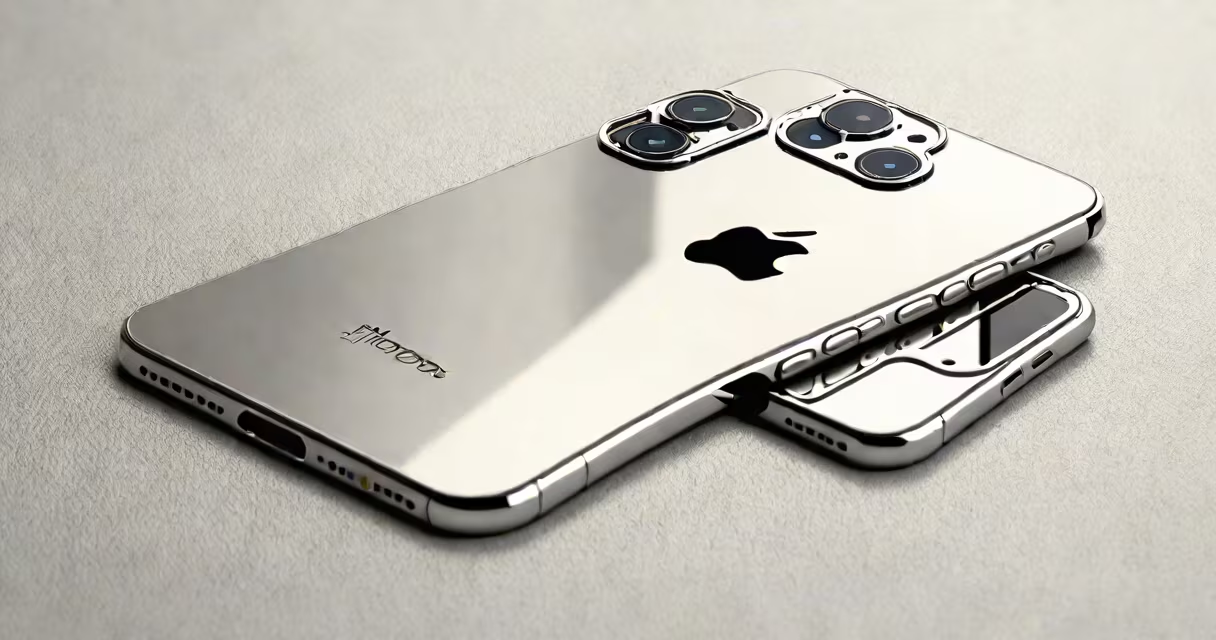
A pre owned iPhone is a previously used device sold by a private individual or retailer, typically at a reduced price compared to new models. It may have been used for months or years and is not factory-new. The term covers both lightly used handsets and those with visible wear.
Pre owned iPhones come from various sources: individuals upgrading to newer models, online marketplaces like eBay or Facebook Marketplace, or certified resellers offering refurbished units. Unlike new devices, they carry usage history, which affects their condition, battery health, and performance.
When you buy a pre owned iPhone, you assume responsibility for its current state. There's no manufacturer warranty unless the seller offers a limited guarantee. The device may lack original packaging, accessories, or iCloud activation locks. Always verify ownership and check for signs of damage before purchasing.
These devices operate identically to new iPhones once activated. They run iOS, support apps, make calls, and connect to Wi-Fi and cellular networks. However, their functionality depends on prior handling and maintenance.
Key factors affecting performance include battery degradation, screen scratches, internal wear, and software updates. A phone used daily for two years may show reduced battery life-measured in charge cycles-and slower response times due to storage fragmentation.
To assess a pre owned iPhone, check the battery health via Settings > Battery > Battery Health. If maximum capacity is below 80%, replacement is recommended. Also inspect the display for dead pixels, the rear glass for cracks, and the charging port for debris or bent pins.
Not all pre owned iPhones are the same. They fall into categories based on origin, condition, and certification.
| Type | Source | Condition | Warranty | Typical Price Range |
|---|---|---|---|---|
| Private Sale | Individual seller | Varies (often worn) | None (unless offered) | $200-$600 |
| Refurbished (Certified) | Apple or authorized dealer | Like new, tested, cleaned | 1-year warranty | $400-$800 |
| Used (Unverified) | Marketplace or pawn shop | Visible wear, unknown history | None or short-term | $100-$400 |
Refurbished iPhones from Apple undergo a 15-point inspection process. They're restored to factory settings, tested for hardware issues, and repackaged with new batteries and cases if needed. These devices carry a 1-year warranty and are backed by AppleCare eligibility.
Private sales offer lower prices but higher risk. You may receive a device with a damaged screen, water exposure, or an iCloud lock. Always confirm the device is unlocked and free of Find My iPhone activation. Use Apple's IMEI checker at checkcoverage.apple.com to verify service status.
Consumers choose pre owned iPhones for cost savings, environmental reasons, or access to older models no longer available new. An iPhone 12 Pro, for example, retails for $999 new but sells for $650-$750 pre owned depending on storage and condition.
Students, budget shoppers, and travelers often rely on pre owned devices. A person in rural Texas might buy a pre owned iPhone SE (2nd gen) for $275 to replace a broken Android phone. The device supports Face ID, 5G, and iOS 17-making it functional for messaging, navigation, and video calls.
Environmental impact drives some decisions. According to the Environmental Protection Agency, e-waste from electronics reached 57 million metric tons globally in 2022. Reusing devices reduces landfill burden and carbon emissions. Every reused iPhone prevents approximately 30 kg of CO₂ equivalent from being released during manufacturing.
"Pre owned" does not mean "broken." Many pre owned iPhones function perfectly. A 2020 iPhone 11 with 300 charge cycles still delivers 85% battery capacity and runs modern apps smoothly.
Some confuse "pre owned" with "refurbished." While both are used, refurbishment implies professional restoration. A pre owned iPhone bought from a friend may have a cracked screen and outdated software. A refurbished unit from Apple has been repaired, tested, and certified.
Another error: assuming all pre owned iPhones are unlocked. Only 60% of used devices sold in the U.S. are unlocked, according to a 2023 report by Consumer Reports. Always ask for proof of enable status and verify with your carrier.
I once purchased a pre owned iPhone 13 from a local buyer. The screen had minor scuffing, but the battery health was at 92%. After resetting and setting up with my Apple ID, it ran iOS 17 flawlessly. The price was $580-$400 less than new. The experience confirmed that pre owned devices can be reliable if inspected properly.
For context, compare "pre owned" with similar terms. "Used iPhone" is broader and includes damaged or non-functional units. "Secondhand iPhone" emphasizes resale but lacks clarity on condition. "Refurbished iPhone" implies repair and testing. Understanding these differences avoids confusion when shopping.
When evaluating a pre owned iPhone, always check the serial number against Apple's support site. This confirms whether the device is registered to a previous owner and whether it's eligible for warranty or trade-in. If the device shows "Activation Lock," it cannot be used until the previous owner removes it.
For users considering upgrades, Apple's trade-in program offers credit toward new devices. You can estimate value using Apple's online tool. As of 2024, a well-maintained iPhone 12 with 128GB storage fetches around $300 in trade-in credit. This compares to $250-$350 for a private sale, depending on demand.
Finally, remember that "pre owned iPhone" is not synonymous with "low quality." With proper research, buyers gain access to useful, reliable devices at a fraction of the cost. Always verify authenticity, test functionality, and secure your data before use.
Knowing what a pre owned iPhone means ensures informed decisions. Whether buying from a peer or a certified vendor, clarity about condition, history, and warranty protects your investment.