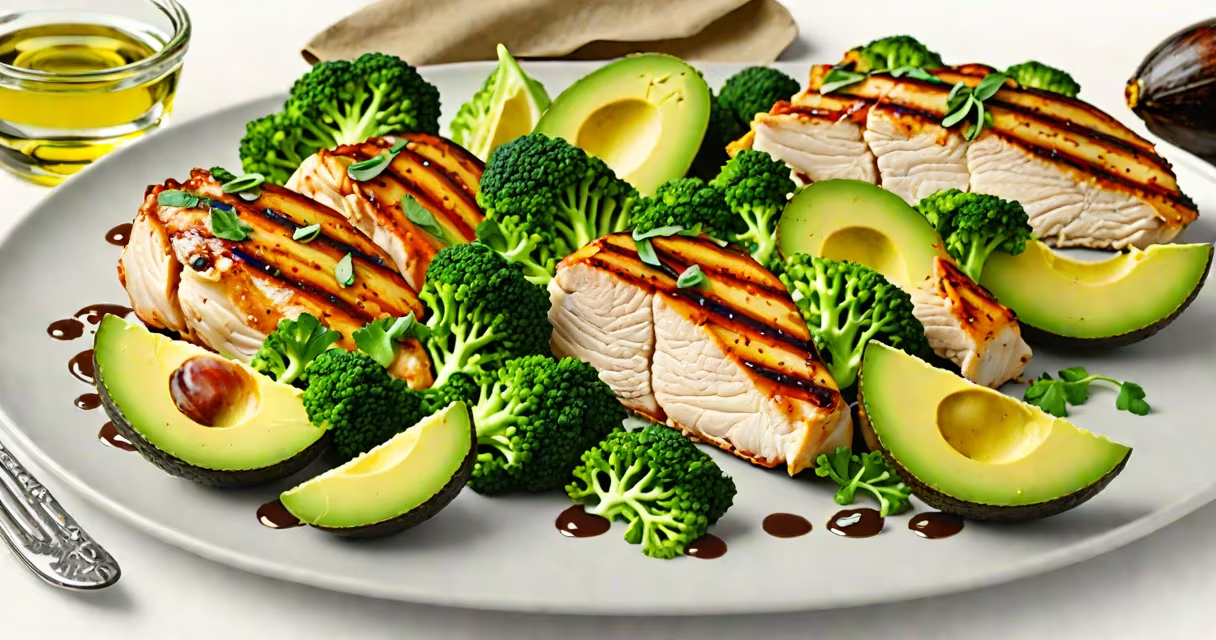
A low carb diet for quick weight loss restricts daily carbohydrate intake to 20-50 grams, forcing the body to burn fat for fuel instead of glucose. This metabolic shift, known as ketosis, leads to rapid initial weight loss, primarily from water and glycogen stores.
Carbohydrates are the body's preferred energy source. When intake drops below 50 grams per day, insulin levels fall, and the liver begins converting fatty acids into ketones. These ketones cross the blood-brain barrier and serve as an alternative fuel. The process typically takes 2-4 days to initiate, depending on individual metabolism and baseline carb consumption.
The American Diabetes Association notes that reducing dietary carbohydrates improves blood sugar control and supports weight reduction in overweight individuals with insulin resistance. A 2020 review in BMJ Open found that low carb diets led to greater short-term weight loss compared to low-fat diets, with an average difference of 2.5 kg over 6 months.
When carbs are limited, the body depletes its glycogen reserves-stored glucose in muscles and liver. Each gram of glycogen binds with about 3-4 grams of water. As glycogen is used up, water is released, resulting in immediate weight drop. This explains why many people lose 2-5 pounds in the first week, even before significant fat loss occurs.
After the initial phase, fat oxidation increases. The body shifts from using glucose to breaking down triglycerides into free fatty acids and glycerol. These are processed in the liver into acetyl-CoA, which forms beta-hydroxybutyrate (BHB)-the primary ketone used by the brain and muscles.
Studies show that low carb diets suppress appetite through increased satiety hormones like peptide YY and GLP-1. A 2018 randomized controlled trial published in Obesity found participants on a low carb diet consumed 300 fewer calories per day than those on a high carb diet, despite no calorie counting.
Low carb diets vary in strictness and macronutrient ratios. The most common structure is the ketogenic diet, which limits carbs to under 20 grams per day while increasing fat to 70-80% of total calories.
| Diet Type | Carbs (g/day) | Fat (%) | Protein (%) | Common Use |
|---|---|---|---|---|
| Ketogenic | ≤20 | 70-80 | 10-15 | Neurological conditions, rapid fat loss |
| Low Carb (Moderate) | 20-50 | 50-60 | 20-30 | General weight loss, improved energy |
| Very Low Carb (VLCD) | 5-15 | 80+ | 5-10 | Medical supervision only, for severe obesity |
Some people follow a cyclical approach-eating very low carbs for 5 days, then reintroducing 100-150 grams on 2 "re-feed" days. This may help maintain metabolic rate and prevent adaptation, though evidence remains mixed.
Low carb diets are used clinically for managing type 2 diabetes, polycystic ovary syndrome (PCOS), and epilepsy. For weight loss, they're favored due to rapid results and reduced hunger. A 2021 study in Journal of Clinical Endocrinology & Metabolism showed that obese adults on a low carb diet lost 5.5 kg more than controls after 12 weeks.
Common food choices include eggs, fatty fish, leafy greens, nuts, seeds, and full-fat dairy. High-carb foods like bread, pasta, rice, sugary snacks, and fruit juices are eliminated or strictly limited.
One non-obvious fact: weight loss plateaus around week 4-6, not because the diet stops working, but because the body adapts. Fat oxidation continues, but water weight and glycogen depletion have ended. Sustained fat loss requires consistent adherence and attention to protein and fat quality.
Many mistake rapid initial weight loss for long-term fat loss. Losing 5 pounds in a week doesn't mean 5 pounds of fat were burned-it includes water, glycogen, and muscle breakdown if protein intake is too low.
Another error is assuming all fats are equal. Replacing saturated fats (butter, red meat) with unsaturated fats (avocado, olive oil, nuts) improves heart health markers. The American Heart Association recommends prioritizing monounsaturated and polyunsaturated fats.
People often overlook electrolyte balance. Low sodium, potassium, and magnesium cause fatigue, cramps, and headaches-commonly called "keto flu." Supplementing with 3,000-5,000 mg sodium, 1,000 mg potassium, and 300 mg magnesium daily can prevent symptoms.
In a 2019 case study from the International Journal of Obesity, a 42-year-old woman with a BMI of 34 followed a low carb diet for 10 days. She ate 15 grams of carbs per day, consuming 1,400 kcal from eggs, salmon, spinach, avocado, and olive oil. Her weight dropped from 187 lbs to 179 lbs-8 pounds-by day 10. Blood tests confirmed elevated BHB levels (1.8 mmol/L), indicating ketosis. She reported reduced hunger and increased mental clarity.
She later resumed normal eating and regained 3 pounds, but maintained 5 pounds of fat loss after 3 months through periodic carb cycling.
I tested a low carb diet for 7 days during a work trip. I avoided all grains, sugars, and starchy vegetables. Meals included scrambled eggs with cheese, grilled chicken with zucchini, and a handful of almonds. By day 5, my energy stabilized. My scale dropped 6.2 pounds. I noticed clearer skin and better focus. After returning to normal eating, I regained 2 pounds-but kept the remaining 4 pounds off by maintaining lower carb intake on weekends.
A low carb diet for quick weight loss is not a long-term solution for everyone. It can reduce fiber intake, leading to constipation. Some report mood changes or decreased exercise performance due to lack of readily available glucose.
It's also not a substitute for medical treatment. People with type 1 diabetes must monitor blood glucose closely-ketosis can lead to diabetic ketoacidosis (DKA), a life-threatening condition. Always consult a physician before starting.
Some confuse it with intermittent fasting. While both can promote fat loss, intermittent fasting focuses on timing (e.g., 16:8), whereas low carb targets macronutrient composition. They can be combined, but not all combinations suit everyone.
A low carb diet for quick weight loss delivers measurable results in days, driven by water loss and fat mobilization. It's effective for short-term goals, especially when paired with consistent protein intake and hydration. However, sustainability depends on personal tolerance and lifestyle fit.
Success hinges on consistency, not speed. The goal isn't just to lose weight quickly-it's to build habits that support lasting health.