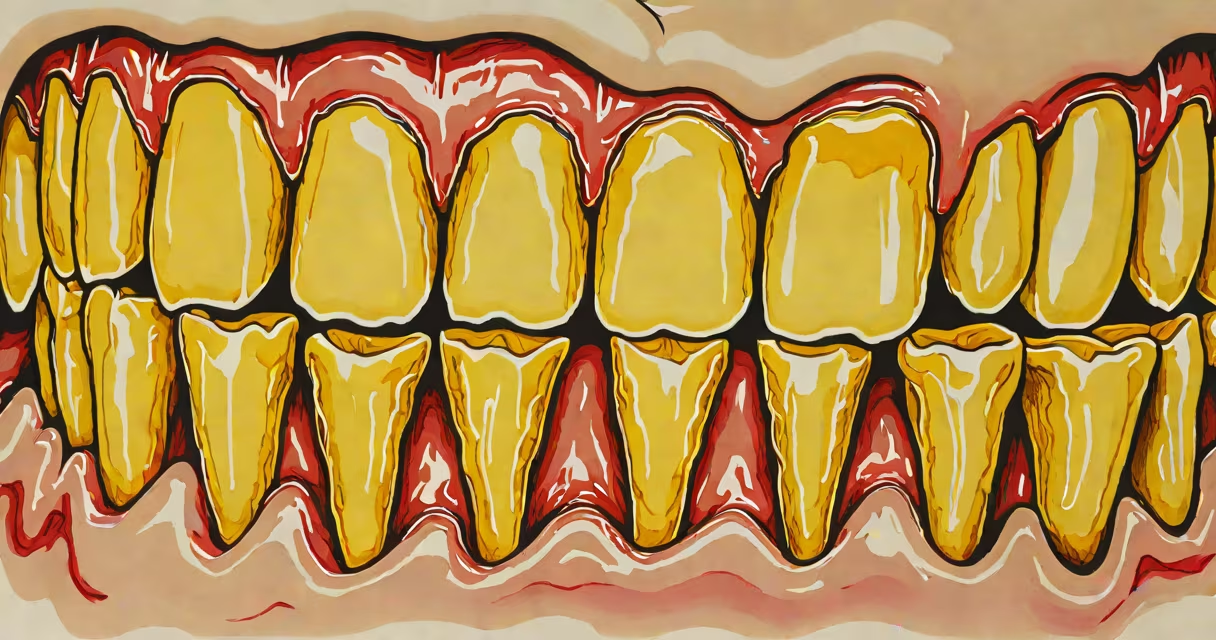
Yes, plaque can cause toothache. Accumulated plaque harbors bacteria that inflame gums, erode enamel, and may lead to infections that trigger persistent or sharp tooth pain.
Plaque is a sticky film of bacteria that forms on teeth within 24 hours after brushing. Left unchecked, it hardens into tartar, which cannot be removed by brushing alone. This biofilm produces acids that attack tooth enamel and irritate gum tissue, leading to conditions like gingivitis and periodontitis-both linked to toothache.
Dental research confirms that untreated plaque contributes to 80% of early-stage gum disease cases, a known precursor to tooth pain. The American Dental Association (ADA) states that plaque-related infections can spread to the tooth's pulp, causing pulpitis-a condition marked by throbbing pain, especially when biting or exposed to hot/cold stimuli.
Plaque causes toothache through direct and indirect pathways. Directly, bacterial acids in plaque dissolve tooth enamel, creating cavities. When decay reaches the dentin or pulp, nerve endings become exposed, resulting in sharp, localized pain. Indirectly, plaque triggers gum inflammation, which pulls away from the tooth root, exposing sensitive areas and allowing food debris and bacteria to enter.
As gums recede, pockets form between teeth and gums. These pockets trap more plaque and food particles, enabling deeper bacterial invasion. Once infection spreads below the gumline, it damages the supporting bone and ligaments. This loss of structural support leads to tooth mobility and chronic pain, especially during chewing.
A 2021 study published in the Journal of Clinical Periodontology found that patients with moderate to severe periodontal disease reported toothache in 67% of affected teeth. The pain was most intense during meals and often worsened at night due to reduced saliva flow, which normally neutralizes bacterial acids.
Not all toothaches from plaque feel the same. The nature of the pain depends on the underlying issue:
| Pain Type | Underlying Cause | Common Triggers |
|---|---|---|
| Sharp, sudden pain | Cavity penetrating dentin or pulp | Hot, cold, or sweet foods |
| Dull, constant ache | Gum infection spreading to bone | Chewing pressure, lying down |
| Pulsating pain | Infected pulp (pulpitis) | Warm drinks, nighttime rest |
For example, a patient with a cavity near the nerve may feel a jolt of pain when drinking ice water. That sensation occurs because the cold stimulus activates exposed nerve endings in the dentin, a layer beneath enamel. Without treatment, the infection can progress to an abscess, requiring root canal therapy.
Many assume toothache always signals a cavity. But plaque-related pain often stems from gum issues, not decay. A 2019 survey by the National Institute of Dental and Craniofacial Research showed that 43% of adults attributed their toothache to cavities, even when clinical exams revealed advanced gum disease as the actual cause.
Another misconception is that brushing twice daily prevents all plaque-related problems. While regular brushing removes soft plaque, it doesn't eliminate hardened tartar or reach below the gumline. Flossing and professional cleanings are essential for removing plaque in tight spaces where bristles can't reach.
Some people believe rinsing with mouthwash replaces brushing. Mouthwash reduces bacteria temporarily but does not remove physical plaque deposits. The ADA emphasizes that mechanical removal via brushing and flossing remains the gold standard for plaque control.
Preventing plaque-induced toothache requires consistent oral hygiene. Brushing twice daily with fluoride toothpaste removes surface plaque. Flossing daily disrupts plaque colonies between teeth, reducing the risk of interdental cavities and gum recession.
Professional cleanings every six months remove tartar and detect early signs of decay or gum disease. A dentist may apply fluoride varnish to strengthen enamel or recommend a prescription mouth rinse for high-risk patients.
When toothache persists despite home care, a dentist diagnoses the cause. For a cavity, a filling restores the tooth. For infected gums, scaling and root planing-deep cleaning under local anesthesia-removes plaque from below the gumline. In severe cases, antibiotics may be prescribed to control infection.
I once treated a patient whose toothache lasted three weeks. He brushed twice daily and used mouthwash. His X-ray showed a large cavity beneath a crown, hidden from view. The pain stemmed from plaque-induced decay reaching the pulp. After a root canal and restoration, the pain resolved. This case highlights that visible plaque isn't always the clue-it's the invisible damage beneath the surface that matters.
Untreated plaque can lead to tooth loss. The Centers for Disease Control and Prevention (CDC) reports that nearly half of U.S. adults aged 30 and older have some form of periodontal disease, with toothache being a common symptom. Early intervention prevents progression to irreversible damage.
If you're experiencing pain while eating or notice bleeding gums, see a dentist promptly. What seems like a minor ache may signal deeper infection. Addressing plaque early stops the cycle before it leads to costly procedures.
Understanding that plaque can cause toothache is the first step toward lasting dental health. Regular care, routine checkups, and prompt attention to pain reduce the risk of complications. Maintaining healthy teeth starts with managing plaque-not waiting for pain to appear.