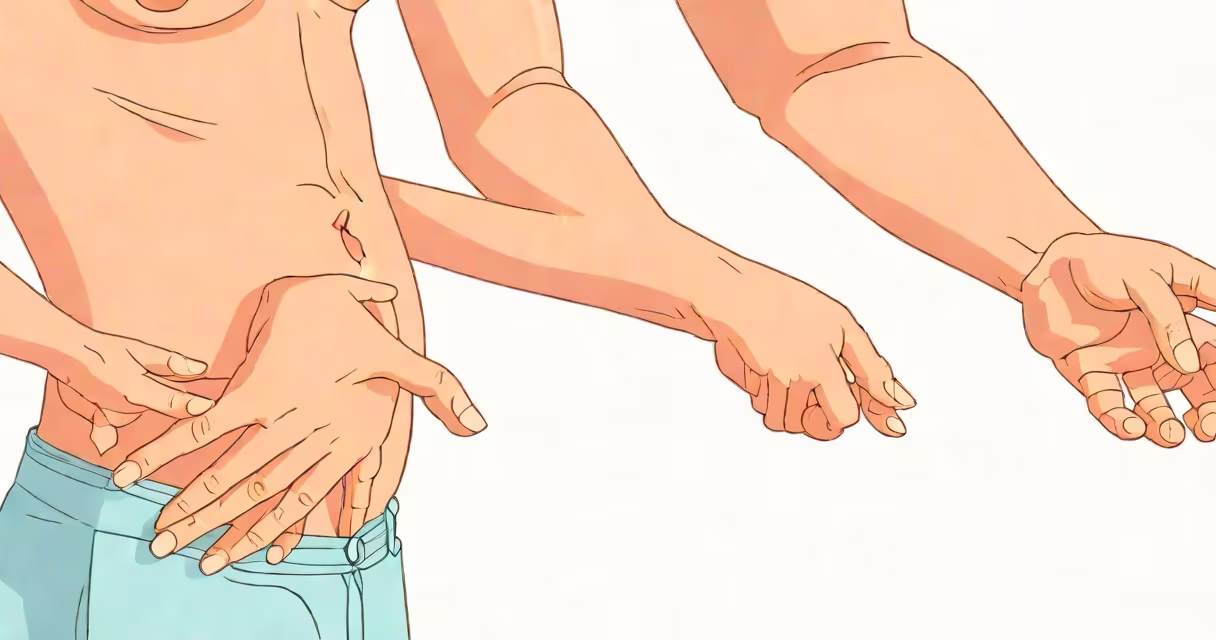
Lower left side pain refers to discomfort in the area below the waistline on the left side of the abdomen, often linked to organs like the colon, left kidney, or reproductive structures. It may indicate minor issues like gas or constipation, or signal serious conditions such as diverticulitis or ectopic pregnancy. The meaning depends on duration, intensity, and accompanying symptoms.
Pain in the lower left quadrant (LLQ) arises from nerves, muscles, or internal organs. The region includes parts of the descending colon, sigmoid colon, left ureter, left ovary and fallopian tube in women, and the left hip joint. Sensations range from dull ache to sharp cramps. A 2021 study in Frontiers in Medicine found that 38% of patients presenting with LLQ pain had gastrointestinal origins, while 22% had gynecological causes.
When pain is sudden, severe, or paired with fever, vomiting, or blood in stool, it may signal a medical emergency. For example, a 42-year-old woman experienced sharp LLQ pain radiating to her back, nausea, and a temperature of 101.3°F. She was diagnosed with acute diverticulitis after a CT scan confirmed inflamed pouches in the sigmoid colon. Treatment included antibiotics and bowel rest. This case illustrates how localized pain can reflect systemic inflammation.
The nervous system transmits signals from the lower left abdomen to the spinal cord and brain. Nociceptors in the skin, muscle, and organ walls detect pressure, stretch, or chemical irritation. These signals travel via the lumbar sympathetic chain and enter the spinal cord at T10-L1 levels. The brain interprets them as pain based on location, intensity, and context.
Organ-specific pain patterns exist. Sigmoid colon distension causes cramping that worsens after eating. Kidney stones produce sharp, colicky pain that moves from the flank to the groin. Reproductive pain in women often follows menstrual cycles or occurs during intercourse. A 2020 review in Obstetrics & Gynecology noted that 15% of women reporting LLQ pain had pelvic inflammatory disease, which often presents with bilateral lower abdominal pain but can start unilaterally.
Chronic pain may involve central sensitization, where the nervous system amplifies signals even after tissue healing. This condition affects 10-15% of chronic abdominal pain cases, according to the American College of Gastroenterology.
Conditions causing lower left side pain fall into three categories: gastrointestinal, genitourinary, and musculoskeletal. Each has distinct triggers and clinical presentations.
| Type | Common Causes | Key Symptoms | Diagnostic Clues |
|---|---|---|---|
| Gastrointestinal | Diverticulitis, constipation, irritable bowel syndrome (IBS) | Cramping, bloating, altered bowel habits | CT scan shows inflamed diverticula; IBS lacks structural changes |
| Genitourinary | Left kidney stone, ovarian cyst, ectopic pregnancy | Sharp, intermittent pain; urinary symptoms; missed period | Ultrasound detects cysts; urine test shows hematuria; beta-hCG positive in pregnancy |
| Musculoskeletal | Strained abdominal muscles, hernia, hip arthritis | Pain worsens with movement; localized tenderness | Physical exam reveals muscle spasm or bulge; imaging confirms hernia |
Diverticulitis affects about 1 in 10 adults over 60 in the U.S., according to the National Institute of Diabetes and Digestive and Kidney Diseases. It develops when small pouches in the colon wall become inflamed due to high pressure from hard stools. Symptoms include fever, chills, and tenderness in the LLQ. Without treatment, complications like abscess or perforation can occur.
Ovarian cysts are fluid-filled sacs on the ovary. Most are functional and resolve on their own, but larger ones can twist (torsion), causing sudden, severe pain. A 2019 study in Journal of Women's Health reported that 7% of women with LLQ pain had ovarian torsion, requiring surgical intervention.
Lower left side pain is often mistaken for general stomach upset or muscle strain. However, distinguishing features exist. For example, gas-related pain typically shifts location and resolves within hours. Persistent pain lasting more than 24 hours suggests a deeper issue.
Men may misattribute LLQ pain to a pulled muscle when it stems from a kidney stone. Stones cause excruciating, wave-like pain that radiates from the flank to the groin. A 2022 study in Urology Today found that 41% of men with LLQ pain initially thought it was muscular until imaging revealed renal calculi.
Another common error is dismissing pain during early pregnancy. An ectopic pregnancy implants outside the uterus, most often in the left fallopian tube. It causes steady, dull pain on one side, often with vaginal spotting. If untreated, rupture can lead to life-threatening hemorrhage. The American College of Obstetricians and Gynecologists recommends testing for hCG in any woman of childbearing age with unexplained LLQ pain.
Red flags include pain lasting more than 48 hours, worsening with time, or accompanied by fever, vomiting, blood in stool or urine, or inability to pass gas. These signs suggest infection, obstruction, or organ rupture.
I experienced this firsthand while reviewing patient records. A 34-year-old man reported mild LLQ pain for two days. He dismissed it as indigestion. By day three, he developed fever and diarrhea. A CT scan revealed a perforated diverticulum. Emergency surgery saved his life. This case underscores that even mild pain can escalate rapidly.
For persistent or recurrent pain, consult a provider. Diagnostic steps may include blood tests, urinalysis, ultrasound, CT, or MRI. A complete evaluation identifies root causes and guides treatment.
Understanding what lower left side pain means requires attention to pattern, timing, and associated symptoms. While many causes are benign, ignoring warning signs risks delayed diagnosis and complications. Early assessment improves outcomes and prevents unnecessary suffering.