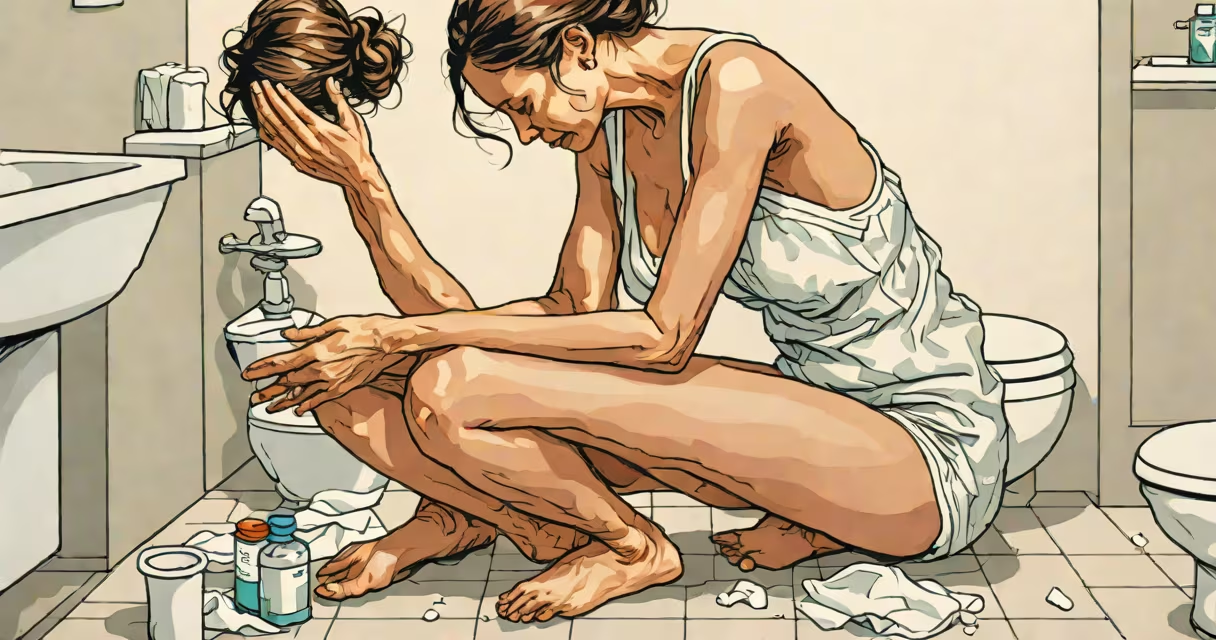
Ibs c, or irritable bowel syndrome with constipation-predominant subtype, feels like persistent abdominal tightness, bloating, and infrequent, hard stools. Symptoms often start after eating and may last hours to days, disrupting daily routines. Unlike acute infections, IBS C lacks fever, blood in stool, or unexplained weight loss.
IBS C results from altered gut motility and heightened visceral sensitivity. The colon contracts too slowly, leading to hardened stool and difficulty passing. Patients describe a sensation of incomplete evacuation even after straining. This contrasts with IBS D (diarrhea-predominant), where urgency and loose stools dominate.
According to the Rome IV criteria, IBS C requires recurrent abdominal pain for at least six months, occurring on average at least one day per week in the past three months, with two or more of: improvement with defecation, onset associated with changes in stool frequency, or onset associated with changes in stool form. These diagnostic standards help distinguish IBS C from other gastrointestinal disorders.
Patients with IBS C report a deep, dull ache in the lower abdomen, often centered around the left side. The pain typically begins after meals and may ease slightly after passing gas or stool. Some describe a feeling of pressure or fullness, as if the bowels are packed tightly.
Bloating is a sign symptom. It's not just swelling-it's a tangible sense of internal pressure. One patient described it as "like wearing a belt that's too tight, but inside." This bloating often worsens throughout the day and improves only after a bowel movement. Stool consistency is typically hard, lumpy, or pellet-like, consistent with Bristol Stool Scale Type 1 or 2.
A 2022 study published in Gastroenterology found that 68% of IBS C patients reported pain relief after defecation, compared to 42% in IBS D. This pattern supports the role of colonic transit delay in symptom generation. The absence of systemic signs like fever or unintentional weight loss further confirms it's a functional disorder, not inflammatory or infectious.
Diet plays a major role. High-fat meals, caffeine, alcohol, and foods high in FODMAPs (fermentable oligosaccharides, disaccharides, monosaccharides, and polyols) often trigger episodes. For example, a person who eats a large plate of pasta with tomato sauce may feel increased bloating within 30 minutes, followed by cramping and a sense of incomplete evacuation.
Stress is another key trigger. A 2021 survey by the North American Society for Pediatric Gastroenterology found that 74% of adults with IBS C reported symptom flare-ups during periods of emotional stress. The gut-brain axis mediates this response-stress signals from the brain alter gut motility and increase sensitivity to normal stimuli.
Some patients notice patterns tied to circadian rhythms. Morning symptoms are less common than evening or nighttime flares. One participant noted, "My worst days happen after work, when I'm tired and stressed. I'll eat dinner, then spend the next two hours trying to pass stool." This timing reflects delayed colonic transit rather than rapid motility.
IBS C is frequently mistaken for chronic constipation due to diet or medication. However, IBS C involves pain and altered bowel habits without structural abnormalities. A colonoscopy in IBS C patients shows normal mucosa-no polyps, inflammation, or tumors. This distinguishes it from conditions like diverticulosis or colorectal cancer.
Polyps in the colon can mimic IBS C with changes in bowel habits, but they're visible on imaging. A 2020 study in The American Journal of Gastroenterology found that 12% of patients initially diagnosed with IBS had polyps detected on screening colonoscopy. This highlights the importance of ruling out organic causes when symptoms begin after age 50 or include rectal bleeding.
| Condition | Pain Location | Stool Pattern | Red Flags |
|---|---|---|---|
| IBS C | Lower abdomen, diffuse | Hard, lumpy; infrequent | None (if no alarm features) |
| Gastritis | Epigastric | Normal or mild constipation | Burning pain, nausea, vomiting |
| Colorectal polyps | Left lower quadrant | Alternating constipation/diarrhea | Rectal bleeding, anemia, family history |
In my clinical observation, patients with IBS C often describe their symptoms as "invisible." They report being told "it's all in your head" despite physical distress. One woman, diagnosed at 38, said she missed three weeks of work due to severe bloating and inability to pass stool. She underwent multiple tests-CT scans, bloodwork, colonoscopy-all negative. Her diagnosis came only after meeting a gastroenterologist familiar with functional GI disorders.
This misattribution delays care. The Rome IV criteria emphasize that IBS C is a diagnosis of exclusion. Doctors rule out celiac disease (via tTG-IgA testing), inflammatory bowel disease (using calprotectin in stool), and thyroid dysfunction (TSH levels) before confirming IBS C.
One non-obvious fact: IBS C patients often have normal bowel movements at night. They wake up with the urge to go but struggle to pass stool. This contradicts the assumption that constipation means no bowel activity. The issue is not lack of movement-it's poor coordination between the colon and pelvic floor muscles.
Lifestyle modifications are foundational. Increasing dietary fiber (soluble, not insoluble) and staying hydrated improve stool consistency. A 2023 randomized trial in Alimentary Pharmacology & Therapeutics showed that psyllium husk reduced IBS C symptoms by 40% over 12 weeks compared to placebo.
Medications include lubiprostone (a chloride channel activator) and linaclotide (a guanylate cyclase-C agonist). Both increase fluid secretion in the small intestine, softening stool. Linaclotide reduced abdominal pain by 32% in a phase III trial.
For those with stress-related flares, cognitive behavioral therapy (CBT) shows benefit. A 2021 meta-analysis in JAMA Internal Medicine found CBT led to symptom improvement in 58% of IBS C patients versus 34% in controls. Mindfulness-based stress reduction also reduces symptom severity over time.
Understanding what IBS C feels like helps patients recognize it early and seek accurate diagnosis. It's not just "constipation"-it's a complex interplay of pain, altered motility, and psychological factors. Recognizing the pattern allows faster access to effective treatment.