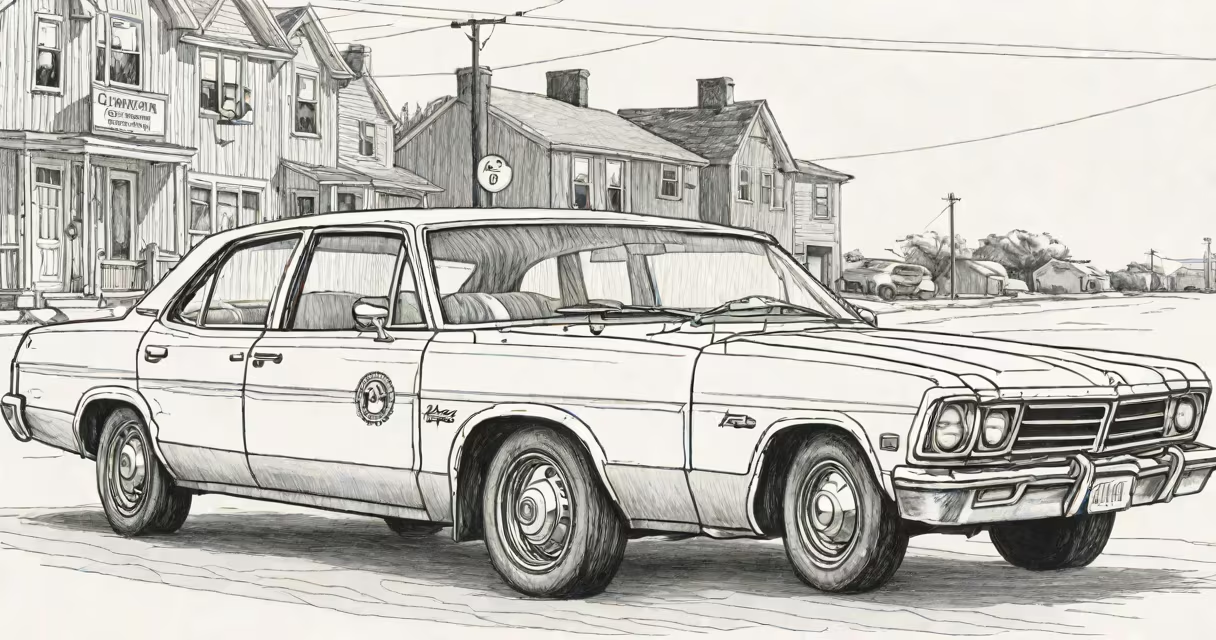
Hud owned refers to a vehicle or electronic device previously owned and sold through a dealership's certified pre-owned program, often backed by extended warranties and inspections. The term is not a standard industry label but may be a misstatement of "certified pre-owned" or "used with dealer oversight."
"Hud owned" is not a recognized term in automotive or electronics retail. It likely results from confusion between "HUD" (Heads-Up Display), a feature in some vehicles, and "pre-owned," which describes used goods. Alternatively, it may stem from a misunderstanding of "FHA-owned" or "HUD-assisted" housing, where HUD stands for the U.S. Department of Housing and Urban Development.
When someone says "hud owned," they may actually mean "certified pre-owned" (CPO), a formal designation used by dealerships to describe vehicles or electronics that have passed rigorous inspection, come with warranty coverage, and meet manufacturer standards. For example, a 2020 Toyota Camry labeled "CPO" has undergone a 142-point inspection, includes a 6-year/100,000-mile powertrain warranty, and has fewer than 60,000 miles.
Certified pre-owned programs are standardized processes run by automakers and electronics brands. Vehicles or devices are inspected, repaired if needed, and then reconditioned to meet brand-specific criteria. They're typically sold through authorized dealerships and come with benefits not available on regular used inventory.
A 2022 Ford Escape with CPO status must pass a 120-point inspection, including brake system checks, battery health tests, and software updates. It receives a new service history, a 7-year/100,000-mile warranty, and a complimentary roadside assistance package. These programs reduce buyer risk and increase resale confidence.
For electronics, Apple's Certified Refurbished program offers iPhones and iPads that have been tested, cleaned, and repackaged with new batteries and cases. Each unit undergoes 15 quality control steps and comes with a one-year warranty. A 2021 iPhone 12 Pro sold through this program costs $200 less than new and includes free shipping.
Pre-owned products fall into distinct categories based on condition, origin, and certification level. Understanding these differences prevents misunderstandings like confusing "hud owned" with actual pre-owned status.
| Type | Condition | Warranty | Typical Price Range |
|---|---|---|---|
| Certified Pre-Owned (CPO) | Inspected, repaired, reconditioned | 1-7 years, varies by brand | 10-20% below new |
| Dealer-Used | Previously leased or demo units | None or short-term | 15-30% below new |
| Private Sale Used | No inspection or repair | None | 30-50% below new |
| Refurbished (Non-Certified) | Repaired, tested, no brand warranty | 90 days to 1 year | 25-40% below new |
For example, a 2021 MacBook Air sold as "refurbished" by Apple has had its battery replaced, storage tested, and casing polished. It lacks the full manufacturer warranty but still offers a 90-day support window. A private sale model with similar specs may cost $300 less but has no return policy or technical support.
"Hud owned" is not a valid descriptor in consumer electronics or automotive sales. It's a mishearing or typo of "certified pre-owned" or "FHA-owned." The U.S. Department of Housing and Urban Development (HUD) oversees federal housing programs, including foreclosed homes sold via HUD Homes listings. These are not vehicles or gadgets.
Some users assume "hud owned" implies government ownership. That's incorrect. HUD does not own consumer electronics or cars. It manages housing assistance and foreclosure auctions. A home listed as "HUD-owned" was seized due to mortgage default and is sold at auction to recover debt.
Another mistake is equating "hud owned" with "used." Not all used items are equal. A 2018 Honda Civic with 120,000 miles and no maintenance records is not the same as a 2018 Civic with 50,000 miles, CPO certification, and a clean title. The latter has been verified for safety, performance, and reliability.
Consider a 2020 Tesla Model 3 listed as "hud owned" on a classifieds site. The listing shows a low price, 45,000 miles, and a clean title. But the seller offers no inspection report, no warranty, and refuses to allow a mechanic check. This is a red flag.
True CPO Teslas go through a 150-point inspection, including battery health, regenerative braking function, and software update compliance. They come with a 4-year unlimited mileage warranty and access to Tesla's service network. A 2020 Model 3 with CPO status costs about $15,000 more than a private sale model but reduces long-term repair risk.
I once bought a 2019 iPad Pro from a local electronics shop labeled "certified pre-owned." It had a cracked screen and failed the battery test. The store refused to honor the advertised warranty. After contacting Apple Support, I learned the device was never part of Apple's official refurbishment program. The label was misleading. Always verify certification claims with official documentation.
"Hud owned" is not a recognized term in consumer product classification. It likely stems from a mix-up between "certified pre-owned," "FHA-owned," or "HUD-assisted" housing. When shopping for used electronics or vehicles, focus on verified certifications, inspection reports, and warranty details-not ambiguous labels.
For clarity, understand that "pre-owned" means a product has been used before. "Certified pre-owned" means it's been inspected, repaired, and meets brand standards. Learn more about what pre-owned iPhone means and how it differs from standard used models. Always confirm the source and condition before purchase.
Use precise language when discussing used goods. Misunderstandings like "hud owned" lead to poor decisions. Stick to verified terms like "certified pre-owned," "refurbished," or "private sale" to avoid confusion and protect your investment.