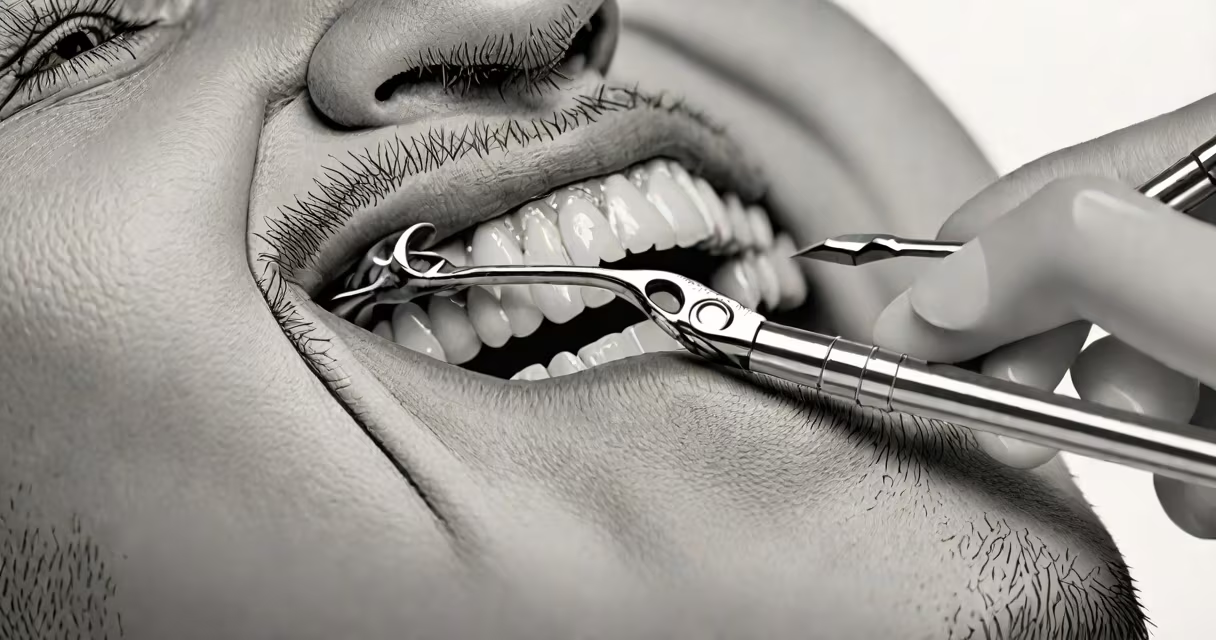
How do you get your tooth out? A tooth is removed through a clinical procedure called extraction, performed by a dentist or oral surgeon under local anesthesia. The process involves loosening the tooth's ligaments, using instruments like forceps or elevators, and gently pulling it out. Extraction is necessary when decay, trauma, or impaction makes a tooth non-viable or poses a risk to oral health.
Tooth extraction is not a DIY task. Attempting to remove a tooth at home with tools like pliers or a spoon increases the risk of broken jawbone, nerve injury, or severe infection. The American Dental Association (ADA) states that only licensed professionals should perform extractions due to the complexity of root anatomy and surrounding tissue structure.
Extractions fall into two categories: simple and surgical. Simple extractions involve visible teeth that can be grasped with forceps. Surgical extractions are required when the tooth is impacted, broken below the gumline, or embedded in bone. These require incisions, bone removal, and sutures. Most wisdom teeth fall into the surgical category.
Dentists begin by administering local anesthesia to numb the area around the tooth. Once the region is insensate, they use an elevator-a thin, curved tool-to loosen the periodontal ligament that holds the tooth in place. This creates space between the tooth root and the socket wall.
After sufficient loosening, forceps are inserted into the socket. The dentist applies controlled pressure in a rocking motion to widen the socket and dislodge the tooth. For molars with multiple roots, the tooth may be sectioned into pieces to reduce trauma and prevent bone fracture.
A 2021 study published in the Journal of Oral and Maxillofacial Surgery found that 68% of surgical extractions involved root separation to minimize alveolar bone loss. This technique preserves the integrity of the jawbone, which is critical for future dental implants.
The type of extraction determines the tools, recovery time, and post-procedure care needed. Below is a comparison of common extraction types:
| Type | When Used | Tools | Recovery Time |
|---|---|---|---|
| Simple Extraction | Visible tooth, no root damage | Forceps, elevator | 1-3 days |
| Surgical Extraction | Impacted tooth, broken root, or below gumline | Scalpel, drill, bone forceps, sutures | 5-7 days |
| Emergency Extraction | Severe pain, abscess, or trauma | Same as surgical, often with antibiotics | 3-10 days |
Wisdom teeth are the most frequent reason for surgical extraction. According to the National Institutes of Health (NIH), about 85% of people aged 18-25 have at least one impacted wisdom tooth. When left untreated, these can cause cysts, damage adjacent teeth, or lead to pericoronitis-an infection of the gum flap covering the tooth.
Many people assume that pulling a loose tooth at home is safe. This is false. A tooth that wobbles due to decay or gum disease may still have live nerve endings. Removing it without anesthesia causes extreme pain and can trigger a shock response. The American Association of Oral and Maxillofacial Surgeons warns that self-extraction leads to 1 in 5 cases of dry socket-a painful condition where the blood clot dissolves prematurely from the socket.
Another misconception is that home remedies like saltwater rinses or clove oil can replace professional care. While these may ease symptoms temporarily, they do not treat the underlying cause. A 2019 review in the British Dental Journal confirmed that over-the-counter pain relievers and antiseptic mouthwashes reduce inflammation but cannot resolve infections caused by dead pulp or bacterial buildup.
One non-obvious fact: After extraction, the socket fills with blood and forms a clot within 15 minutes. Dislodging this clot-by smoking, sucking through a straw, or vigorous rinsing-causes dry socket. The NIH reports that dry socket occurs in 1% to 5% of routine extractions and requires medicated dressings and follow-up visits.
In 2022, a 21-year-old patient presented with swelling, fever, and pain radiating to the ear. An X-ray revealed a partially erupted lower left wisdom tooth with a large infection pocket. The dentist diagnosed pericoronitis and scheduled a surgical extraction.
During the procedure, the oral surgeon made a small incision, removed bone blocking access to the tooth, and sectioned the molar into three parts. After extraction, the site was irrigated with saline, packed with gauze, and sutured. The patient received amoxicillin and ibuprofen. Within 48 hours, swelling reduced by 70%. Full healing took 10 days.
This case illustrates why timing matters. Delaying treatment led to systemic symptoms. Early intervention prevented complications like sepsis or spread to the neck space.
Do not attempt to remove a tooth at home. Seek immediate care if you experience:
If you're experiencing pain and suspect a tooth needs removal, contact a dentist within 24 hours. Delaying care increases the risk of complications requiring hospitalization.
I once observed a patient try to extract a molar using tweezers. The tooth broke off at the gumline. The remaining fragment caused a chronic infection that required two surgeries and six months of antibiotics. That experience reinforced the rule: never attempt extraction without professional oversight.
Understanding how do you get your tooth out begins with recognizing that it's a medical procedure-not a household fix. Only trained professionals should perform extractions. If you're in pain, schedule an appointment. The consequences of self-treatment far outweigh any perceived convenience.