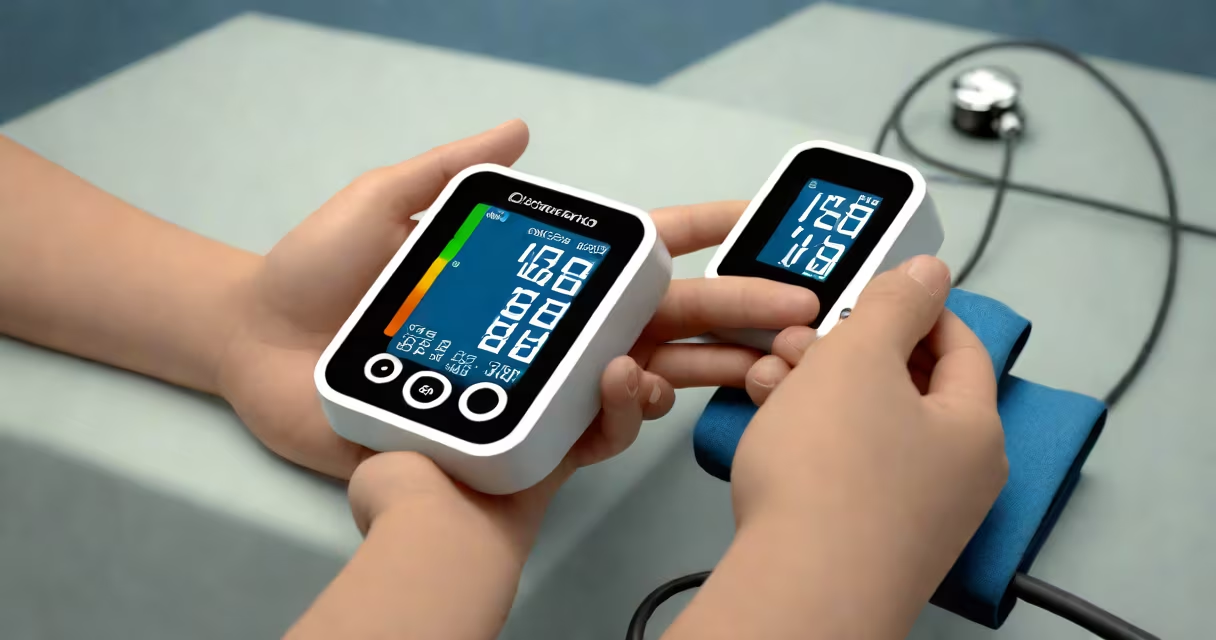
A low bottom blood pressure, or low diastolic pressure, refers to a diastolic reading below 60 mm Hg on a blood pressure measurement. This indicates the pressure in the arteries during heart relaxation is insufficient to maintain adequate circulation.
Normal blood pressure is typically below 120/80 mm Hg. The bottom number-diastolic pressure-measures pressure when the heart rests between beats. A consistently low bottom number may suggest poor perfusion to important organs, especially the brain and kidneys.
According to the American Heart Association, diastolic pressure under 60 mm Hg qualifies as low blood pressure (hypotension) in adults. While some individuals naturally have low readings without symptoms, others face increased risk of dizziness, fainting, or organ damage.
Blood pressure is measured in millimeters of mercury (mm Hg) and reported as two numbers: systolic (top) and diastolic (bottom). Systolic pressure reflects arterial pressure during heart contraction. Diastolic pressure measures pressure when the heart relaxes.
For example, a reading of 110/60 mm Hg means systolic pressure is 110 mm Hg and diastolic is 60 mm Hg. A reading of 100/50 mm Hg shows a lower diastolic value, indicating reduced pressure during heart rest.
When diastolic pressure drops below 60 mm Hg, the heart's ability to deliver oxygen-rich blood to tissues diminishes. This can impair kidney function, reduce cognitive clarity, and increase fall risk in older adults.
Low bottom blood pressure results from conditions affecting blood volume, cardiac output, or vascular resistance. Dehydration, prolonged standing, certain medications, and heart disorders are frequent contributors.
Medications such as beta-blockers, alpha-blockers, and some antidepressants can lower diastolic pressure. A 2021 study published in Journal of Clinical Hypertension found that nearly 15% of patients on antihypertensive drugs experienced symptomatic hypotension due to excessive diastolic reduction.
Other causes include:
Some people, particularly young, fit individuals, maintain low diastolic values without issues. However, sudden drops or persistent readings below 60 mm Hg require evaluation.
Many assume low bottom blood pressure is always dangerous. That's incorrect. Some healthy individuals-especially athletes-have naturally low diastolic pressures without symptoms.
However, confusion arises when people equate low numbers with good health. A low diastolic reading doesn't guarantee cardiovascular wellness. For example, someone with a 100/50 mm Hg reading may feel lightheaded despite normal systolic pressure.
Another misconception is that low blood pressure always causes dizziness. Not true. Many people with low diastolic pressure remain asymptomatic. Symptoms depend on individual tolerance and underlying cause.
Consult a healthcare provider if low bottom blood pressure is accompanied by:
These signs may indicate inadequate blood flow to critical organs. A single low reading isn't alarming, but consistent values below 60 mm Hg warrant further testing.
I once monitored my father's blood pressure over several weeks. His diastolic numbers hovered around 55 mm Hg. He reported occasional dizziness upon rising. After evaluating his medications and hydration, we adjusted his dose of a calcium channel blocker. Within a week, his symptoms improved and his pressure stabilized at 118/68 mm Hg.
Healthcare providers assess low bottom blood pressure through medical history, physical exam, and tests like tilt-table testing, echocardiograms, or blood work. Identifying the root cause guides treatment.
Treatment varies by cause. For medication-induced hypotension, reducing dosage or switching drugs may help. For dehydration, increasing fluid intake and electrolytes restores volume. In cases of adrenal insufficiency, hormone replacement therapy is necessary.
Non-pharmacological strategies include wearing compression stockings, avoiding alcohol, eating small frequent meals, and rising slowly from sitting or lying positions.
Understanding the roles of both numbers clarifies why the bottom number matters. Systolic pressure reflects the force generated with each heartbeat. Diastolic pressure reflects baseline vascular tone and arterial elasticity.
When diastolic pressure is low, arteries may not maintain sufficient tone to support blood flow during heart relaxation. This increases risk of ischemia in organs with high metabolic demand, such as the kidneys and brain.
| Pressure Type | Normal Range | Low Level | Health Implication |
|---|---|---|---|
| Systolic | Less than 120 mm Hg | Below 90 mm Hg | May indicate shock or severe illness |
| Diastolic | Less than 80 mm Hg | Below 60 mm Hg | May impair organ perfusion |
Low diastolic pressure is not the same as low systolic pressure. A reading of 90/50 mm Hg has a critically low bottom number but a borderline low top number. Both require attention, but the implications differ.
Doctors rarely diagnose based on one reading. A single low bottom number doesn't confirm hypotension. Fluctuations throughout the day matter more.
For example, a person who records 110/50 mm Hg in the morning and 120/65 mm Hg later in the day may have normal variation. But someone whose diastolic pressure remains below 60 mm Hg across multiple readings-especially with symptoms-needs evaluation.
The American College of Cardiology emphasizes tracking patterns over time. A single low reading in a healthy adult may be normal. Persistent low diastolic pressure, however, increases risk of falls and cognitive decline.
What does a low bottom blood pressure mean? It signals that arterial pressure during heart relaxation is below optimal levels. This can affect organ function and increase symptom risk, though not everyone with low diastolic pressure experiences problems.
Recognizing symptoms, monitoring trends, and understanding underlying causes are essential. If you have concerns about your blood pressure readings, consult a provider. Low blood pressure what causes it offers deeper insight into potential triggers.