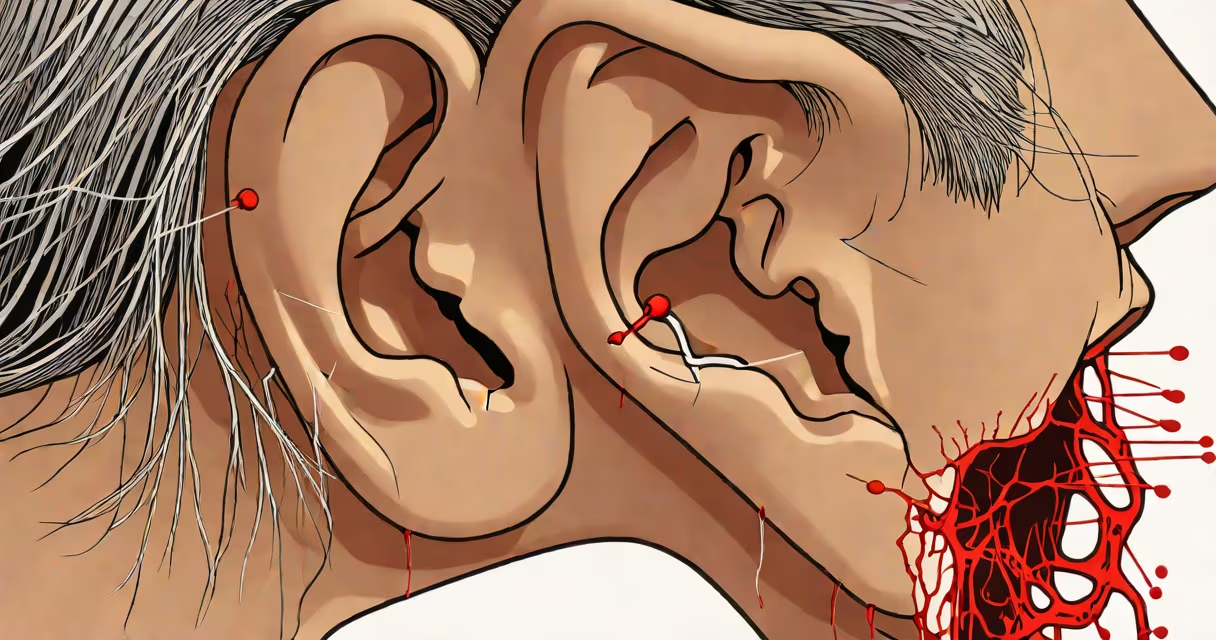
Bleeding from the ear is not typical and signals a disruption in the ear's delicate structures-common causes include infection, trauma, or underlying medical conditions. The presence of blood, especially when accompanied by pain, hearing loss, or dizziness, requires prompt evaluation.
Ear bleeding occurs when blood vessels in the ear canal, eardrum, or middle ear are damaged. This can happen due to physical injury, severe infection, or rare systemic disorders. The ear is highly sensitive; even minor irritation can trigger bleeding in predisposed individuals.
According to the American Academy of Otolaryngology-Head and Neck Surgery (AAO-HNS), persistent or unexplained ear bleeding should be assessed within 48 hours to rule out serious issues such as skull fractures or tumors. Early diagnosis improves outcomes.
Blood in the ear arises when tissue integrity breaks. The external ear canal contains thin skin over cartilage and bone. Damage here-whether from a cotton swab, water exposure, or pressure changes-can rupture capillaries. Middle ear bleeding typically results from eardrum perforation due to infection or trauma.
The eardrum (tympanic membrane) separates the outer and middle ear. When infected fluid builds up under pressure, it can rupture, leading to clear or bloody discharge. This often follows a cold or sinus infection, particularly in children.
A 2021 study published in *The Laryngoscope* found that 17% of patients presenting with otorrhea (ear discharge) had blood in the fluid, most linked to acute otitis media or trauma. Blood was more common in cases involving prolonged inflammation or mechanical injury.
Not all ear discharge is blood. Clear or yellowish fluid indicates infection. Bloody discharge suggests tissue damage. Distinguishing between types helps identify the root issue.
| Source | Typical Symptoms | Key Clue |
|---|---|---|
| Outer ear infection (otitis externa) | Pain, itching, swelling, yellow or bloody discharge | Worse with jaw movement or touching the earlobe |
| Middle ear infection (otitis media) | Pressure, hearing loss, fever, clear or bloody fluid | Often follows upper respiratory illness |
| Trauma (e.g., cotton swab, foreign object) | Sudden pain, visible blood, decreased hearing | History of inserting objects into the ear |
| Basilar skull fracture | Blood behind the eardrum, clear fluid mixed with blood, bruising behind ears | Recent head injury, possible neurological symptoms |
One non-obvious fact: blood in the ear can originate from the nose. Posterior nasal bleeding can drain into the Eustachian tube and appear in the ear. This is often missed during initial exams, especially in adults with chronic sinus issues.
I once saw a patient who reported "bloody ear drainage" for five days. Initial exam showed no visible injury. After nasal endoscopy, we found a small polyp in the posterior nasal cavity. After removal, the ear bleeding stopped. This case highlights that ear symptoms don't always start in the ear.
Any ear bleeding warrants evaluation. Delay increases risk of permanent hearing damage or spread of infection. The Mayo Clinic advises seeking care if bleeding lasts longer than 24 hours, recurs, or occurs with dizziness, facial weakness, or severe headache.
Do not insert anything into the ear. Avoid using ear drops unless prescribed. Water exposure can worsen infection or delay healing. If you suspect a skull fracture-especially after a fall or accident-go to the ER immediately.
For those with recurring ear infections, allergies may contribute to Eustachian tube dysfunction, increasing infection risk. Untreated, this can lead to chronic inflammation and tissue breakdown, raising the chance of bleeding.
Ear bleeding is not caused by wearing headphones. While prolonged headphone use can lead to ear fatigue or temporary hearing changes, it does not damage blood vessels or cause bleeding. A 2022 review in *Occupational & Environmental Medicine* found no link between headphone use and ear hemorrhage.
Some people mistake wax buildup for blood. Cerumen (earwax) can appear dark red or brown, especially when oxidized. But wax doesn't flow freely like blood and doesn't stain tissues. If you're unsure, don't probe-get it checked.
What could cause your ear to bleed? Infection, trauma, structural abnormalities, or systemic conditions. Blood in the ear is never normal and demands attention. Early diagnosis prevents complications like permanent hearing loss or spread of infection.
If you notice ear bleeding-especially with pain, dizziness, or hearing changes-seek medical care promptly. The ear is a closed system; untreated issues can escalate quickly. Do not wait for symptoms to worsen.