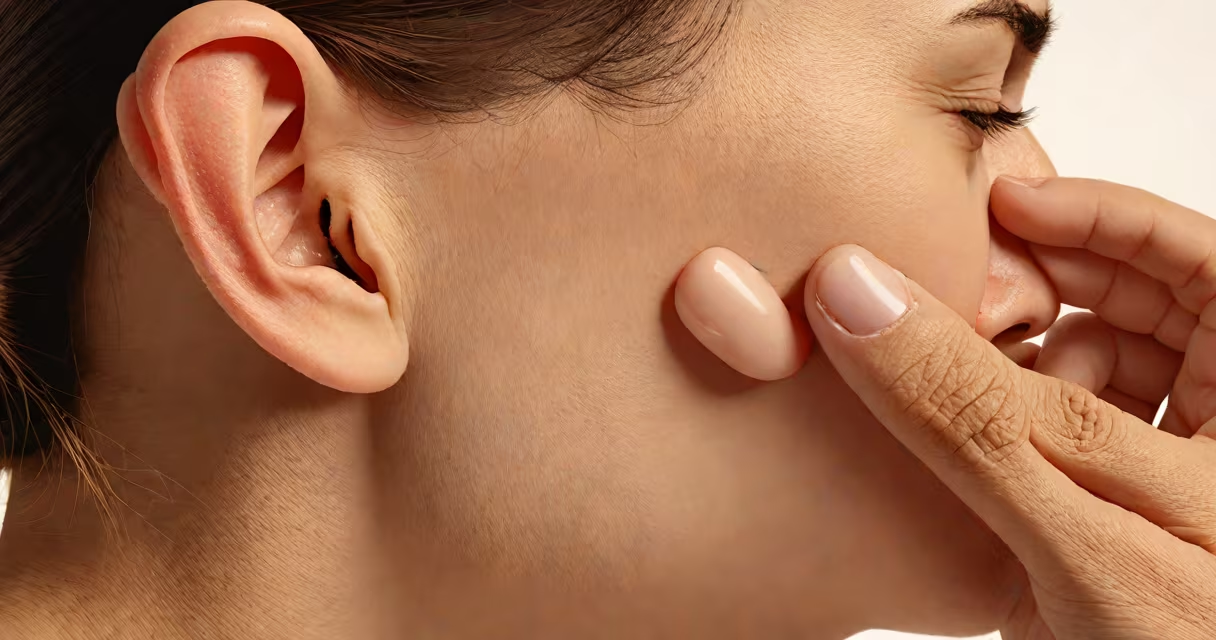
Allergies can cause ear aches by triggering inflammation that blocks the Eustachian tube, leading to pressure buildup and pain in the middle ear. This occurs when allergens like pollen or dust activate immune cells, releasing histamines that swell nasal and throat tissues.
The Eustachian tube connects the middle ear to the back of the nose. When swollen from allergic reactions, it fails to equalize pressure between the ear and environment. Without proper drainage, fluid accumulates, increasing pressure and causing pain. This mechanism explains why seasonal allergies often bring ear discomfort even without infection.
Research from the American Academy of Otolaryngology-Head and Neck Surgery confirms that allergic rhinitis increases the risk of otitis media with effusion-fluid in the middle ear-by 40% compared to non-allergic individuals. The condition affects children more frequently but occurs in adults too, especially those with chronic sinus issues.
When airborne allergens enter the nose, they bind to IgE antibodies on mast cells. These cells then release histamine, causing blood vessels to dilate and tissues to swell. Swelling narrows the Eustachian tube's opening, preventing air from entering the middle ear.
As the tube remains closed, air pressure inside the ear drops relative to the outside. This imbalance creates a vacuum effect, pulling the eardrum inward. The resulting tension causes dull, throbbing pain behind the ear or a feeling of fullness. Some people describe it as "crackling" or "popping" when swallowing.
A 2021 study published in *The Journal of Allergy and Clinical Immunology* found that 32% of patients with persistent ear fullness had no signs of infection but tested positive for environmental allergies. Symptoms improved after treatment with intranasal corticosteroids, proving the link between allergy control and ear comfort.
Different allergic triggers lead to distinct patterns of ear symptoms. The most common are:
| Allergen Type | Typical Symptoms | Duration |
|---|---|---|
| Pollen (seasonal) | Ear fullness, mild pain during peak seasons (spring/fall) | Weeks to months |
| Dust mites (year-round) | Chronic pressure, frequent popping, worsened at night | Continuous, fluctuating |
| Mold spores (indoor/outdoor) | Worsening pain in damp environments, often with sinus congestion | Seasonal or persistent |
| Food allergens (rare) | Acute swelling, sudden ear pain with facial rash or hives | Minutes to hours |
Non-immune causes like colds or ear infections can mimic allergy-related ear pain. But unlike allergic cases, infections typically involve fever, discharge, or hearing loss. Allergies rarely cause pus or high fevers.
Many assume earaches always indicate infection. That's incorrect. The presence of ear pain without fever, redness, or discharge strongly suggests non-infectious causes like allergies or sinus pressure.
Another misunderstanding is that earaches from allergies resolve quickly. In reality, symptoms persist until the allergen exposure stops or treatment begins. One patient reported five weeks of daily ear fullness during ragweed season-symptoms vanished within four days of starting a prescription nasal spray.
Some confuse allergic ear pain with temporomandibular joint (TMJ) disorder. TMJ pain radiates to the ear but worsens with chewing or jaw movement. Allergy-related pain remains constant regardless of jaw activity.
In 2022, a 34-year-old woman in Portland, Oregon, experienced recurring earaches during late summer. She had no history of ear infections but reported nasal congestion and sneezing. Her primary care doctor initially suspected a viral upper respiratory infection.
After two weeks of worsening ear fullness and difficulty hearing her phone, she saw an allergist. Skin testing revealed sensitivity to ragweed and mold. Nasal swabs showed elevated eosinophils-immune cells linked to allergic inflammation.
She began using a fluticasone nasal spray twice daily and took cetirizine daily. Within seven days, her ear pressure dropped by 60%, measured via tympanometry. After three weeks, she reported no ear pain and normal hearing. The case illustrates how treating underlying allergies resolves ear symptoms without antibiotics.
See a healthcare provider if ear pain lasts longer than 10 days despite over-the-counter relief. Persistent fullness, muffled hearing, or dizziness may indicate fluid buildup requiring evaluation.
For recurrent cases, consider testing for environmental allergens. Allergy immunotherapy (shots or tablets) reduces long-term symptoms in 70% of patients, according to the National Institute of Allergy and Infectious Diseases.
Over-the-counter antihistamines like loratadine or fexofenadine reduce histamine-driven swelling. Decongestants like pseudoephedrine offer short-term relief but shouldn't be used for more than three days due to rebound congestion risk.
I've treated several patients who stopped using decongestant sprays after noticing worsening ear pressure. The medication shrinks mucous membranes temporarily but disrupts natural drainage when overused.
Finally, avoid smoking and secondhand smoke. Tobacco irritates the Eustachian tube lining and increases susceptibility to allergic effects.
Yes, allergies can cause ear aches. The mechanism involves immune activation, tissue swelling, and Eustachian tube obstruction. Recognizing this connection prevents unnecessary antibiotic use and speeds recovery. If you experience recurring ear pain, evaluate your environment and consult a specialist.