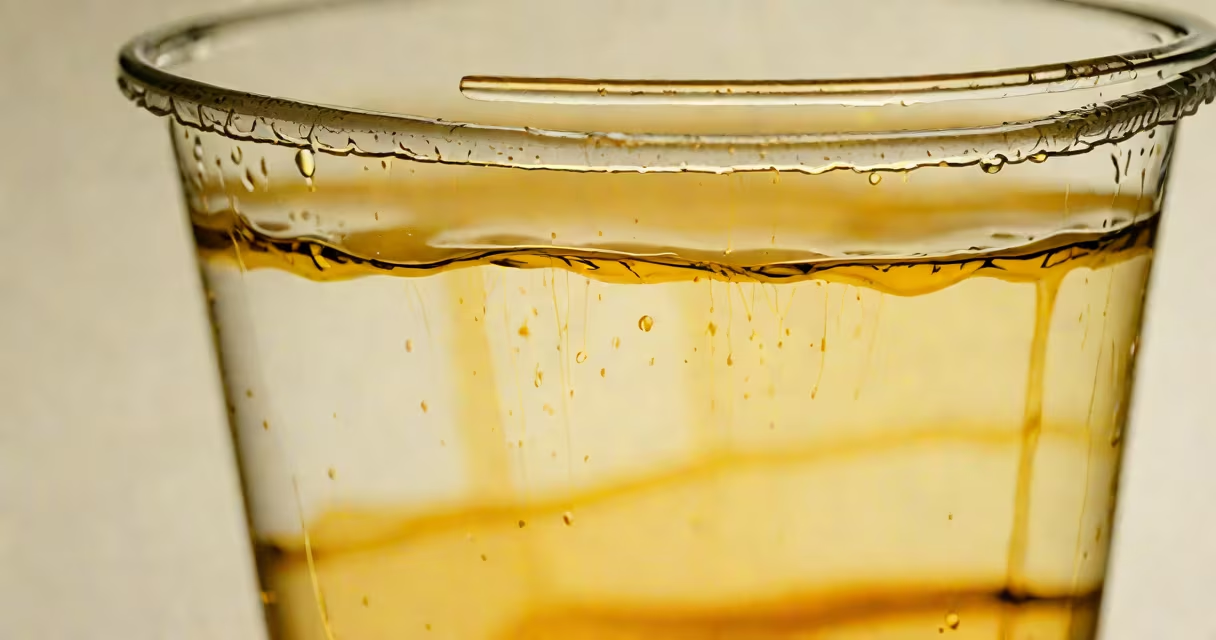
Urine with a strong or unpleasant smell often results from concentrated waste products, bacterial activity, or underlying medical conditions. Common triggers include dehydration, urinary tract infections, dietary factors, and metabolic disorders. The odor typically stems from ammonia buildup, sulfur compounds, or ketones.
Urine forms in the kidneys as blood is filtered. Waste products, excess water, and electrolytes are excreted through the ureters into the bladder. When urine sits in the bladder, bacteria can multiply and break down urea into ammonia, producing a pungent smell. This process intensifies when urine is highly concentrated-common during dehydration or overnight sleep.
Normal urine has a mild ammonia scent. A sharp, foul, or sweet odor signals a shift in composition. Some odors resemble rotten eggs (hydrogen sulfide), maple syrup (ketones), or fish (trimethylamine). These changes reflect specific biochemical processes or health states. Identifying the cause requires context-timing, diet, medications, and symptoms.
The primary driver of strong urine odor is concentration. When fluid intake drops below 1.5 liters per day, urine becomes more concentrated with urea, uric acid, and other nitrogenous wastes. Concentrated urine emits a stronger ammonia-like smell due to increased urea breakdown. This effect is most noticeable in the morning after several hours without fluid intake.
Bacterial action alters odor. In a urinary tract infection (UTI), bacteria such as Escherichia coli metabolize urea into ammonia, producing a fishy or foul smell. The presence of nitrites in a urine test strip confirms bacterial contamination. Without treatment, UTIs can progress to kidney infections, marked by fever, flank pain, and persistent foul odor.
Diet plays a direct role. Foods high in sulfur-like garlic, onions, asparagus, and cruciferous vegetables-release volatile sulfur compounds during digestion. These compounds appear in urine within 15 to 30 minutes after eating. Asparagus famously causes a distinctive, sulfurous smell in about 40% of people due to the metabolism of asparagusic acid.
Not all bad smells come from the same source. Different odors correlate with distinct physiological events:
| Odor Type | Common Cause | Medical Context |
|---|---|---|
| Foul or fishy | UTI, vaginal infections, trimethylaminuria | UTI confirmed by positive nitrite or leukocyte esterase on dipstick; trimethylaminuria is rare and genetic |
| Rotten egg | Sulfur-producing bacteria, cystitis, or kidney stones | Indicates hydrogen sulfide production; may accompany cloudy urine |
| Maple syrup | Ketosis, diabetic ketoacidosis | Sign of uncontrolled diabetes; requires urgent evaluation |
| Ammonia-like | Dehydration, chronic kidney disease | Occurs when urine remains in bladder too long or kidney function declines |
One non-obvious factor is medication. Nitrofurantoin, used to treat UTIs, can turn urine brownish-orange and give off a strong smell. Metronidazole, an antibiotic, produces a metallic or garlic-like odor. These effects are temporary and reverse after stopping the drug.
A common misconception is that all bad urine odor comes from poor hygiene. While genital cleanliness matters, odor originates internally. External factors like soap residue or sweat can mix with urine, but they don't generate the core chemical changes responsible for persistent or intense smells.
Bad urine odor alone doesn't always require medical attention. Occasional changes after eating asparagus or skipping fluids are normal. However, persistent or worsening odor-especially with other symptoms-warrants investigation.
Red flags include: fever, lower abdominal pain, frequent urination, burning sensation, cloudy or bloody urine, or a sweet/fruity smell in someone with known diabetes. These signs suggest infection, kidney stones, or metabolic imbalance. According to the American Urological Association, persistent foul-smelling urine with dysuria occurs in 15% of women and 7% of men with untreated UTIs.
I once observed a patient whose urine smelled strongly of ammonia despite drinking plenty of water. Initial tests showed no infection. Further analysis revealed early-stage renal tubular acidosis-a condition where the kidneys fail to excrete acid properly. Blood pH was slightly low, and urine pH remained alkaline. Correcting the acid-base imbalance resolved the odor. This case illustrates that odor can precede measurable lab abnormalities.
Testing is straightforward. A urine dipstick assesses pH, leukocytes, nitrites, glucose, and ketones. A urine culture identifies bacteria and their antibiotic sensitivity. Blood tests check kidney function (creatinine, BUN) and glucose levels. For suspected metabolic disorders, specialized labs analyze organic acids or amino acids in urine.
Many assume that dark yellow urine always means dehydration. While concentration increases ammonia smell, color alone is unreliable. A person with normal hydration can produce dark urine due to vitamin B6 supplements or certain foods. Conversely, someone dehydrated may have pale urine if they're consuming large amounts of caffeine or alcohol, which increase urine output.
Another error is attributing all foul odors to infections. While UTIs are common, conditions like trimethylaminuria (fish odor syndrome) are rare but real. This inherited disorder prevents the body from breaking down trimethylamine, leading to a persistent fishy smell in urine, sweat, and breath. It's diagnosed via a urine test after a choline-rich meal.
Some believe that drinking cranberry juice eliminates bad urine odor. While cranberry can reduce UTI recurrence by preventing bacterial adhesion, it doesn't neutralize existing odor. In fact, concentrated cranberry juice can make urine more acidic and slightly sour-smelling.
Bad urine odor arises from concentration, bacterial metabolism, diet, or medical conditions. Dehydration, infections, and metabolic imbalances are key contributors. Recognizing the smell's pattern-timing, associated symptoms, and diet-is essential for accurate assessment.