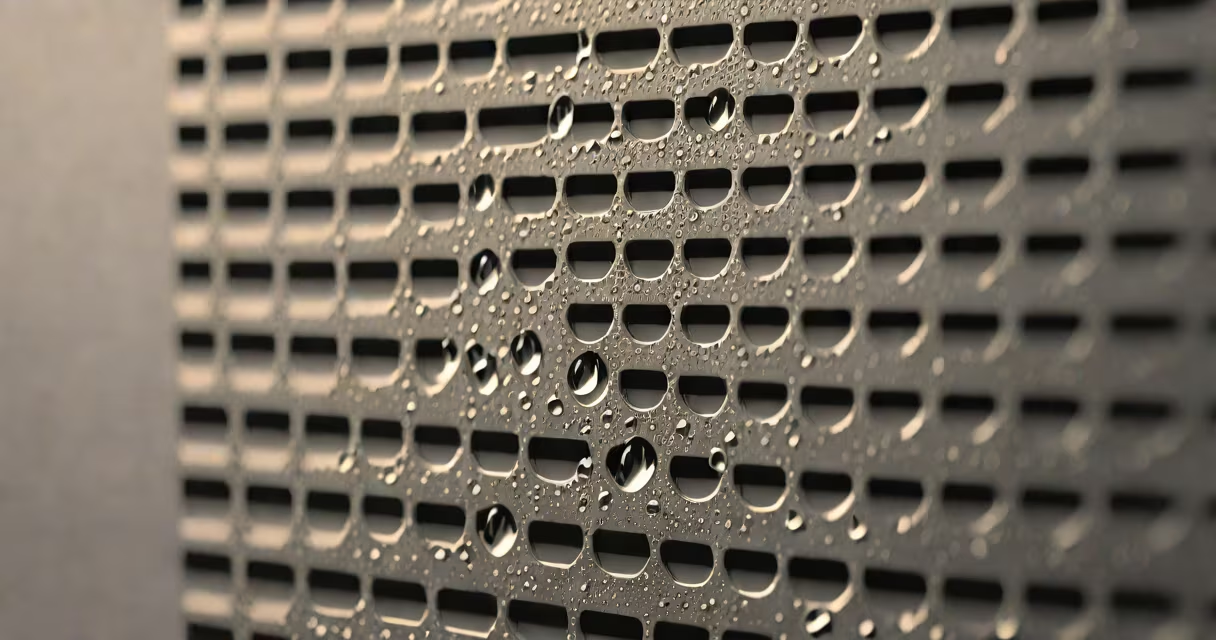
Condensation on AC vents occurs when warm, moist indoor air contacts the cold surface of the vent, causing water vapor to turn into liquid droplets. This typically happens during high-humidity periods or when the AC system runs continuously.
AC vents are designed to release cooled air. When the air inside the ducts drops below the dew point-the temperature at which air becomes saturated-moisture in the air condenses on the cooler surfaces. The result is visible water beads or drips on the vent grille or nearby walls.
This phenomenon is common in homes with poor insulation, high indoor humidity, or improperly sized HVAC systems. It's not always a sign of failure-but persistent condensation may indicate a system issue needing attention.
Condensation results from a temperature differential between indoor air and the surface of the AC vent. Cold air from the AC unit travels through metal or plastic ducts. As it moves, the air cools further, especially near the vent outlet. If the vent surface temperature falls below the dew point of the surrounding air, moisture condenses.
Dew point varies with humidity. At 70°F and 60% relative humidity, the dew point is about 59°F. If the vent surface drops below 59°F, condensation appears. Most residential AC systems cool air to around 40-45°F, well below typical dew points in summer months.
For example, in a home with 75% indoor humidity and 75°F room temperature, the dew point is 68°F. If the vent surface reaches 65°F, condensation forms. This explains why condensation often appears during peak cooling hours when the AC runs nonstop.
Several mechanical and environmental factors contribute to excessive condensation on AC vents:
A 2022 study by the American Society of Heating, Refrigerating, and Air-Conditioning Engineers (ASHRAE) found that 43% of residential AC issues linked to condensation stem from inadequate maintenance-especially filter changes and coil cleaning.
Not all condensation is the same. Identifying the pattern helps distinguish normal operation from a problem:
| Type | Appearance | Indicates |
|---|---|---|
| Light misting | Faint moisture on vent edges; dries quickly | Normal operation in humid conditions |
| Persistent dripping | Visible streams of water from vent or ceiling | Blocked drain line or frozen coil |
| Wet spots on wall or floor | Stains or damp patches near vent | Leaking duct or poor insulation |
| Ice formation on vent | White frost or ice crystals on metal parts | Severe airflow restriction or low refrigerant |
One key distinction: condensation on the vent itself is different from water leaking from the air handler. The latter often signals a failed drain pan or pump in the furnace or AC unit.
For example, during a July heatwave in Houston, a homeowner reported constant dripping from kitchen vents. Inspection revealed a clogged drain line due to algae buildup. After cleaning, condensation stopped within 24 hours-a fix that took under 30 minutes and cost $15 in supplies.
People often mistake condensation on vents for leaks from the AC unit. But leaks originate from the indoor air handler, usually the drain pan or drip tray. Water from a leak appears on the floor beneath the unit, not on the vent face.
Another misconception is that condensation means the AC is broken. While excessive moisture can signal problems, light condensation during hot, humid weather is normal. The system is working as intended-cooling air below the dew point.
Also, condensation doesn't always mean high humidity. Even in dry climates, short-term spikes in moisture-such as from a shower or new carpet installation-can trigger condensation if the AC runs long enough.
Most condensation issues are preventable with routine maintenance and small adjustments:
I once observed a client in Atlanta whose vents dripped daily during August. The system ran 16 hours a day. After replacing a 3-year-old filter and cleaning the drain line, condensation ceased. The fix cost less than $20 and required no technician.
If condensation persists despite maintenance, consult a licensed HVAC technician. Persistent issues may require refrigerant level checks, blower motor diagnostics, or duct sealing.
Condensation on AC vents is not inherently dangerous-but ignoring it can lead to mold, structural damage, or reduced system efficiency. Addressing root causes early prevents costly repairs.