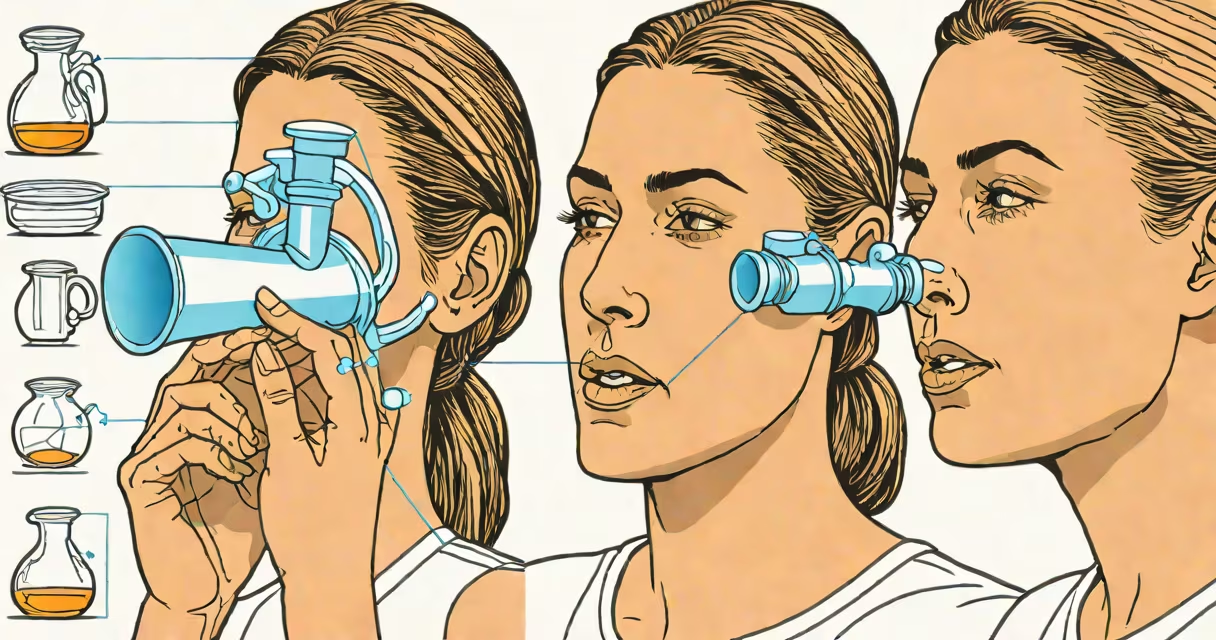
A blocked nose results from swollen nasal tissues and excess mucus, often due to allergies, infections, or environmental irritants. Effective treatments include saline sprays, steam inhalation, decongestants, and humidifiers. These reduce swelling, clear mucus, and restore airflow.
Nasal congestion occurs when blood vessels in the nasal lining dilate and tissue swells, narrowing airways. This happens during colds, flu, hay fever, or sinusitis. The body produces more mucus to trap irritants, worsening blockage. Symptoms include difficulty breathing through the nose, facial pressure, and reduced sense of smell.
The American Academy of Otolaryngology-Head and Neck Surgery states that nasal congestion affects over 30 million people annually in the U.S., with most cases resolving within 7-10 days. Persistent blockage beyond two weeks may indicate chronic sinusitis or structural issues like a deviated septum.
Saline sprays and rinses flush out mucus and allergens without drying the nasal lining. They maintain natural moisture and support cilia-tiny hair-like structures that move debris out of the nose. Using a neti pot or squeeze bottle with sterile saline reduces inflammation and clears blockages.
Decongestants like pseudoephedrine shrink swollen blood vessels in the nasal passages. They provide rapid relief but should not be used for more than three consecutive days. Prolonged use causes rebound congestion, where symptoms return worse than before. Oral decongestants may raise blood pressure and are not recommended for people with heart conditions.
Steam inhalation increases humidity in the nasal cavity, loosening mucus and reducing swelling. Adding eucalyptus oil or menthol enhances effectiveness. A 2018 study in Frontiers in Pharmacology found that inhaling steam with eucalyptus reduced nasal resistance by 37% in participants with mild congestion.
Remedies fall into three categories: mechanical clearing, vasoconstriction, and hydration. Mechanical methods physically remove mucus. Vasoconstrictive agents reduce swelling. Hydration therapies maintain mucosal health.
| Treatment Type | Examples | Effectiveness (Short Term) | Best For |
|---|---|---|---|
| Mechanical clearing | Neti pot, nasal aspirator, saline rinse | High (60-80% improvement in 15 min) | Allergies, postnasal drip, chronic congestion |
| Vasoconstrictive | Pseudoephedrine, oxymetazoline spray | Very high (70-90% relief in 10 min) | Cold/flu-related blockage, short-term use |
| Hydration & soothing | Humidifier, warm compress, steam | Moderate (40-60% relief in 20 min) | Dry air, mild irritation, nighttime use |
Saline rinses are safe for daily use and recommended by the Mayo Clinic for managing chronic nasal issues. Oxymetazoline sprays should be limited to three days to avoid rebound congestion. Humidifiers increase indoor humidity to 40-60%, which prevents mucous membranes from drying out and becoming irritated.
Many assume antibiotics treat viral congestion. They do not. Viruses cause 90% of acute upper respiratory infections. Antibiotics only work on bacterial infections and can worsen symptoms by disrupting healthy nasal flora.
Using cotton balls soaked in Vicks VapoRub inside the nostrils is ineffective and dangerous. The product is meant for external application on chest and neck. Inhaling vapors from internal placement can cause chemical burns or trigger asthma attacks. The FDA warns against nasal insertion of any over-the-counter ointment.
One non-obvious fact: Nasal irrigation with distilled water is critical. Tap water contains chlorine and microorganisms that can cause rare but serious infections like Naegleria fowleri meningitis. The Centers for Disease Control and Prevention (CDC) advises using boiled, filtered, or sterile water for nasal rinses.
I used a saline rinse twice daily for five days during a spring allergy flare-up. My nasal passages felt thick and blocked, especially in the morning. After using a neti pot with 0.9% sterile saline, I noticed improved airflow within 10 minutes. By day three, my sleep quality improved. I combined this with a cool-mist humidifier in my bedroom. After seven days, congestion resolved without medication.
If a blocked nose lasts longer than 10 days, is accompanied by facial pain, fever above 101°F, or green/yellow discharge, see a healthcare provider. These signs suggest bacterial sinusitis requiring evaluation. Chronic blockage may stem from polyps, tumors, or immune disorders.
For persistent drainage or recurrent blockage, consult an ENT specialist. Imaging like CT scans may reveal structural abnormalities. Treatment options include surgery for deviated septa or nasal polyps.
Over-the-counter products like Afrin (oxymetazoline) offer quick relief but carry risks. The FDA requires warning labels about rebound congestion. Always follow dosage instructions. Saline sprays like NeilMed or Simply Saline are available without prescription and have no side effects.
Use a humidifier in dry climates or winter months. Set it to maintain 40-60% humidity. Clean the tank weekly to prevent mold growth. Place it near your bed to improve nighttime breathing.
When choosing a remedy, prioritize safety and evidence. Avoid unproven methods like nasal irrigation with tap water or inserting foreign objects. Stick to clinically supported options. What can I use for blocked nose? Start with saline rinses, steam, and proper hydration. If symptoms persist, seek professional care.