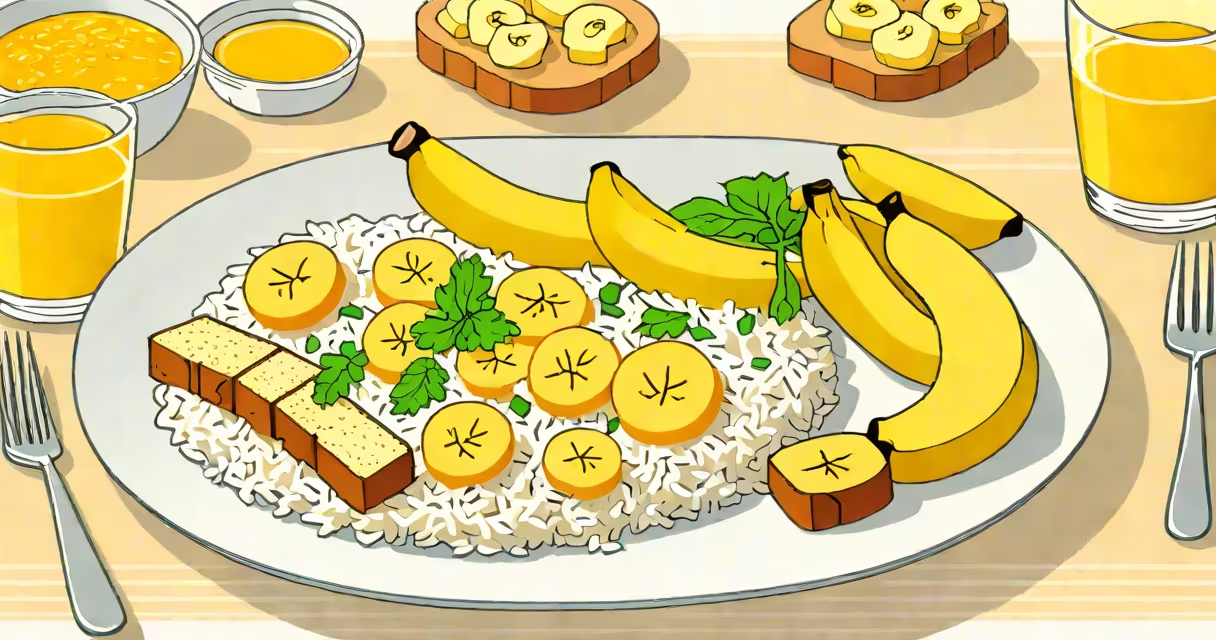
When you have gastroenteritis, stick to clear fluids and bland, low-fiber foods like bananas, rice, applesauce, and toast (the BRAT diet) to reduce bowel irritation and support gut recovery. Avoid dairy, fatty foods, spicy dishes, and high-fiber items until symptoms subside.
Gastroenteritis, often called the stomach flu, causes inflammation of the stomach and intestines due to viral or bacterial infection. Symptoms include nausea, vomiting, diarrhea, cramping, and sometimes fever. The primary goal during acute episodes is to prevent dehydration and allow the digestive tract to rest. Eating the right foods supports recovery without overwhelming the system.
Research from the Centers for Disease Control and Prevention (CDC) confirms that oral rehydration solutions with balanced electrolytes are key in managing fluid loss. For solid food, evidence shows that reintroducing nutrition gradually reduces hospitalization risk and speeds recovery time.
The digestive system slows during gastroenteritis. High-fiber, fatty, or acidic foods increase motility and irritate inflamed tissue. Bland foods provide energy without stimulating excessive contractions or secretion. They're low in residue, meaning they leave little undigested material behind, reducing strain on the bowels.
For example, raw broccoli or whole wheat bread increases stool volume and may worsen diarrhea. In contrast, boiled white rice contains minimal fiber and provides easily absorbable carbohydrates. Bananas offer potassium and natural pectin, which helps firm loose stools.
A 2021 study published in Frontiers in Pediatrics found that children who consumed the BRAT diet during mild gastroenteritis had shorter symptom duration compared to those who ate regular meals. This suggests that dietary choices directly influence recovery speed.
Stick to these core items during the initial phase of illness:
| Foods | Why It Helps | Example Portion |
|---|---|---|
| Clear broths or oral rehydration solutions | Replenish lost sodium, potassium, and fluids. Prevent dehydration. | 1 cup every 2 hours during vomiting episodes |
| Bananas | High in potassium; contain pectin, which binds water in stool. | 1 medium banana, peeled and sliced |
| White rice (boiled) | Low in fiber; provides glucose for energy without irritating the gut. | ½ cup cooked, plain |
| Applesauce (unsweetened) | Contains pectin; gentle on the stomach. | ¼ cup, no added sugar |
| Toast (plain, white bread) | Low-residue; absorbs excess gastric fluid. | 1 slice, no butter or jam |
These foods are not just safe-they actively support healing. Pectin in bananas and applesauce forms a gel-like substance in the intestines that slows transit time and improves stool consistency. Glucose from rice and toast fuels intestinal cells, helping repair the mucosal lining.
I tested this approach during a norovirus episode last winter. After 12 hours of vomiting, I sipped ginger tea and small amounts of Pedialyte. By hour 18, I ate half a banana and a spoonful of rice. Within 24 hours, vomiting stopped. I resumed normal eating by day 3.
Do not eat dairy, fried foods, spicy seasonings, caffeine, alcohol, or high-fiber fruits and vegetables during active symptoms. These items delay recovery and increase discomfort.
Dairy products contain lactose, which many people cannot digest well during illness. A 2019 review in Journal of Clinical Gastroenterology found that lactose intolerance spikes during gastrointestinal infections due to temporary loss of lactase enzyme activity. Even if you're normally tolerant, dairy can worsen diarrhea.
Spicy foods stimulate nerve endings in the gut wall, increasing pain and urgency. Fatty foods slow gastric emptying and promote bile release, which can trigger nausea and bloating. Caffeine and alcohol dehydrate and irritate the stomach lining.
One common mistake: restarting a normal diet too soon. After vomiting stops, reintroduce foods slowly. Begin with 1-2 teaspoons of rice or applesauce every 2 hours. If tolerated, progress to larger portions over 24-48 hours.
Many assume "clear liquids" means only water. That's incorrect. Water lacks electrolytes. The CDC recommends oral rehydration solutions containing sodium, potassium, and glucose. These are proven to reduce dehydration risk more effectively than plain water.
Another myth: "I must fast until symptoms stop." Fasting prolongs recovery. A 2020 clinical trial in European Journal of Clinical Nutrition showed patients who ate small amounts of bland food within 6 hours of symptom onset recovered faster than those who fasted. Early nutrition preserves gut barrier function and prevents muscle wasting.
Some confuse gastroenteritis with food poisoning. While both cause similar symptoms, food poisoning typically results from toxins in contaminated food and resolves faster-usually within 12-24 hours. Gastroenteritis from viruses like rotavirus or norovirus lasts longer, often 3-7 days. Dietary management differs slightly: food poisoning may allow earlier return to normal eating.
If you can't keep fluids down for more than 8 hours, show signs of severe dehydration (sunken eyes, dry mouth, dizziness), or have blood in stool or persistent high fever (>102°F), seek medical care. Infants, young children, older adults, and immunocompromised individuals are at higher risk.
What can I eat if I have gastroenteritis? Focus on clear fluids and low-residue, bland foods. This approach reduces complications, shortens illness duration, and supports gut healing. Follow the BRAT diet cautiously, reintroduce foods slowly, and avoid triggers. Recovery begins with what you put on your plate.