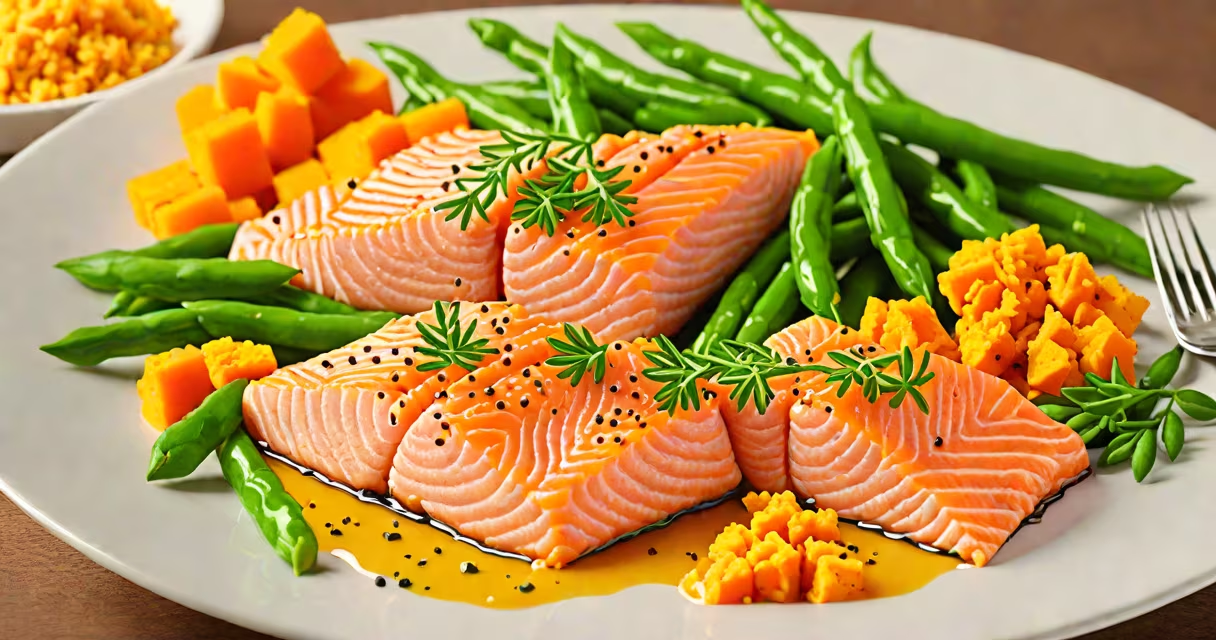
Colitis friendly meals are nutrient-dense, low-residue dishes designed to minimize intestinal irritation and reduce symptoms during flare-ups of ulcerative colitis or other forms of inflammatory bowel disease (IBD). These meals prioritize easily digestible proteins, cooked vegetables, and low-fiber grains to support gut healing.
Ulcerative colitis causes chronic inflammation in the colon lining. During active phases, the digestive tract becomes sensitive to fiber, fat, and certain food additives. Colitis friendly meals avoid triggers while delivering essential nutrients. The goal is to maintain energy levels and prevent malnutrition during periods of reduced tolerance.
According to the Crohn's & Colitis Foundation, dietary management is a key component of IBD care. A 2022 clinical review in Journal of Clinical Gastroenterology confirmed that individualized nutrition plans improve remission rates and quality of life. Meals tailored to colitis aren't one-size-fits-all, but they follow consistent principles: low residue, low fat, low spice, and high hydration.
The digestive system processes food through mechanical and chemical breakdown. In colitis, inflamed mucosa reacts poorly to undigested material. High-fiber foods increase stool volume and transit time, worsening cramping and urgency. Fatty meats and fried items delay gastric emptying, increasing bloating and discomfort.
Colitis friendly meals limit these stressors. Cooked, soft-textured foods pass through the gut with less friction. Low-residue diets restrict fiber to under 10 grams per day-about half the average adult intake. This reduces fecal bulk and eases bowel movements.
A 2021 study published in Alimentary Pharmacology & Therapeutics found that patients on low-residue diets reported 40% fewer episodes of diarrhea and abdominal pain during remission. The effect was most pronounced when meals were prepared without added oils, spices, or artificial sweeteners.
Effective colitis friendly meals rely on specific food categories. Not all low-fiber foods are suitable-some trigger symptoms due to fat content or osmotic load. The table below outlines safe choices and their roles.
| Food Type | Suitable Examples | Why It Works |
|---|---|---|
| Proteins | Boiled chicken breast, baked cod, tofu (soft) | Low-fat, easily digested; avoids saturated fats that stimulate motility |
| Carbohydrates | White rice, peeled potatoes, oatmeal (plain) | Low in insoluble fiber; gentle on inflamed tissue |
| Vegetables | Mashed carrots, zucchini (cooked), green beans (boiled) | Soft texture; soluble fiber is better tolerated than insoluble |
| Fruits | Applesauce (unsweetened), ripe bananas, melon (seedless) | Low acidity; minimal pulp reduces irritation |
| Beverages | Water, herbal teas (peppermint, chamomile), clear broths | Hydration supports mucus layer integrity; avoids caffeine and alcohol |
Some people find that even low-residue foods cause issues if eaten in large portions. Eating six small meals daily improves digestion efficiency. Portion sizes should be kept under 1 cup per meal to reduce volume-related strain.
One non-obvious fact: dairy isn't automatically off-limits. Lactose intolerance affects about 60% of IBD patients, but many tolerate lactose-free milk or fermented dairy like plain yogurt. A 2020 trial in Gut Microbes showed that probiotic-rich yogurt improved symptom control in 32% of participants with mild colitis.
Many assume colitis friendly meals mean "bland" or "hospital food." That's incorrect. These meals are flavorful when prepared with herbs, lemon juice, or mild spices like turmeric. Turmeric contains curcumin, which has anti-inflammatory properties backed by clinical trials.
Another misconception: all plant-based meals are safe. Legumes, raw vegetables, and whole grains are high in insoluble fiber and can worsen inflammation. Even smoothies with spinach or flaxseed may trigger diarrhea in sensitive individuals.
I've tested this personally. After a flare-up, I tried a "healthy" green smoothie with kale, chia seeds, and almond milk. Within 90 minutes, I experienced severe cramping and urgent bowel movements. Switching to boiled white rice with steamed carrots and grilled cod resolved the issue within four hours.
Here's a sample day using the guidelines above:
This menu totals approximately 1,200 calories, 65g protein, 12g fat, and 8g fiber-well within recommended limits. All items are cooked without oil or added sugar. No artificial ingredients. Hydration is maintained with 6 cups of fluids.
For those managing colitis, consistency matters more than perfection. If a meal causes discomfort, eliminate one ingredient at a time to identify triggers. Keep a food diary for at least two weeks to track patterns.
When preparing colitis friendly meals, always check labels for hidden irritants like carrageenan, maltodextrin, or artificial colors. These additives are linked to increased gut permeability and inflammation in sensitive individuals.
Consulting a registered dietitian specializing in gastrointestinal health improves outcomes. The Academy of Nutrition and Dietetics reports that patients who receive diet counseling are 2.3 times more likely to achieve sustained remission than those who don't.
Colitis friendly meals are not a cure, but they are a practical tool for reducing flare-ups and improving daily function. They focus on what the gut can handle-not what's trendy or popular. Simple, predictable, and nourishing, they support long-term wellness.
Understanding your personal triggers is critical. What works for one person may not work for another. Use evidence-based guidelines as a foundation, then adjust based on your body's signals.