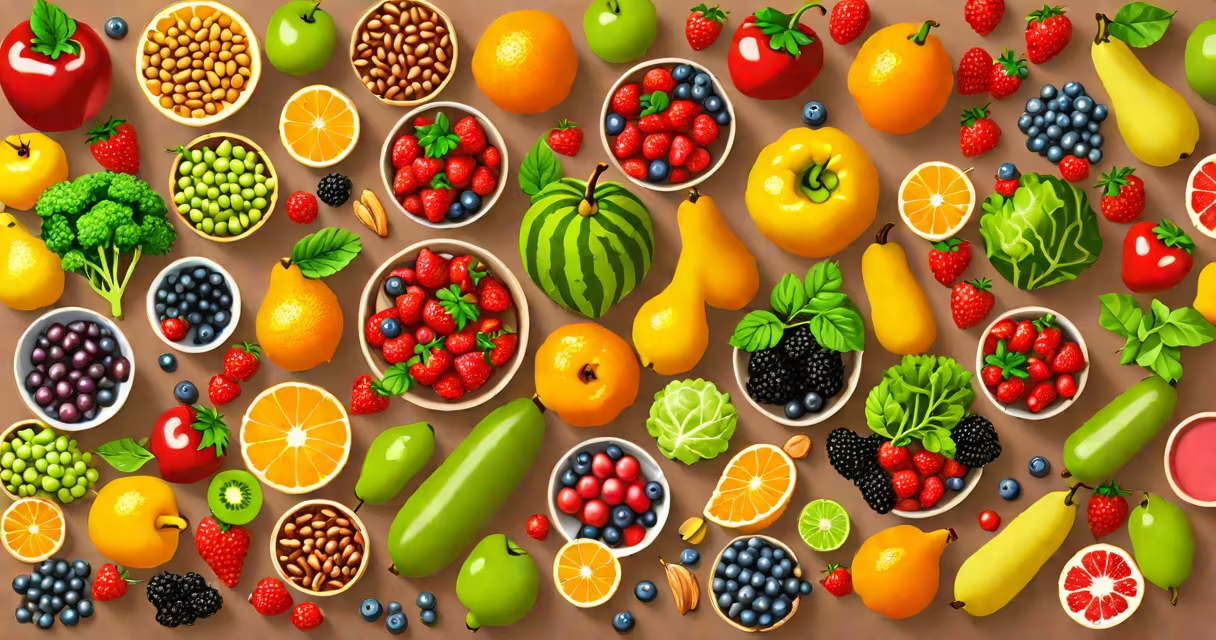
The top 10 cancer fighting foods are whole, plant-based foods rich in antioxidants, phytochemicals, fiber, and anti-inflammatory compounds. These include cruciferous vegetables like broccoli, berries such as blueberries, green tea, turmeric, garlic, tomatoes, leafy greens, beans, nuts like walnuts, and fatty fish such as salmon. Scientific evidence links regular consumption of these foods to reduced risk of certain cancers, including colorectal, breast, and prostate.
These foods work through multiple biological pathways. They neutralize free radicals, reduce chronic inflammation, support DNA repair, regulate cell death, and modulate hormone levels. The National Cancer Institute notes that diets high in plant foods correlate with lower cancer incidence, especially when they replace processed meats, refined sugars, and saturated fats.
A 2022 analysis from the American Institute for Cancer Research found that individuals consuming five or more servings of vegetables and fruits daily had a 15% lower risk of developing cancer compared to those eating fewer than three servings. This effect was most pronounced for gastrointestinal and respiratory cancers.
Cancer cells thrive in environments with oxidative stress and chronic inflammation. The bioactive compounds in the top 10 cancer fighting foods disrupt this environment. For example, sulforaphane in broccoli activates detoxifying enzymes in liver cells, helping eliminate carcinogens before they damage DNA. A 2018 study published in Cancer Prevention Research showed that men who ate broccoli sprouts daily for 12 weeks had a 30% reduction in biomarkers linked to prostate cancer progression.
Anthocyanins in blueberries inhibit angiogenesis-the formation of blood vessels tumors need to grow. In a mouse model of colon cancer, animals fed a diet containing 5% freeze-dried blueberries saw tumor size decrease by 40% over 16 weeks. The researchers attributed this to increased apoptosis (programmed cell death) in abnormal cells.
Green tea's epigallocatechin gallate (EGCG) suppresses NF-kB, a protein complex that triggers inflammation and promotes cancer cell survival. Human trials show that drinking 3-5 cups of green tea daily correlates with a 20% lower risk of breast cancer recurrence in women who have completed treatment.
| Foods | Key Compounds | Proven Effects |
|---|---|---|
| Broccoli and other cruciferous vegetables | Sulforaphane, indole-3-carbinol | Activates phase II detoxification enzymes; reduces DNA damage in colon cells |
| Blueberries and other dark berries | Anthocyanins, resveratrol | Inhibits tumor angiogenesis; induces apoptosis in lab-grown cancer cells |
| Green tea | EGCG, catechins | Reduces proliferation of breast and prostate cancer cells in vitro |
| Turmeric (curcumin) | Curcuminoids | Suppresses NF-kB and COX-2; shown to slow progression in pancreatic cancer models |
| Garlic and onions | Allicin, diallyl disulfide | Increases activity of natural killer cells; lowers risk of gastric cancer |
| Tomatoes | Lycopene | Associated with 18% lower risk of advanced prostate cancer in cohort studies |
| Leafy greens (kale, spinach) | Glucosinolates, folate, vitamin K | Supports DNA methylation; linked to reduced colorectal cancer risk |
| Beans and legumes | Resistant starch, fiber, saponins | Modulates gut microbiome; lowers risk of colorectal adenomas |
| Walnuts and other tree nuts | Alpha-linolenic acid (ALA), ellagic acid | Reduces tumor growth in breast cancer xenograft models |
| Fatty fish (salmon, mackerel) | Omega-3 fatty acids (EPA/DHA) | Decreases systemic inflammation; associated with lower mortality in colorectal cancer patients |
Each food contributes uniquely. Broccoli's sulforaphane targets detox pathways. Blueberries' anthocyanins interfere with signaling networks that allow tumors to spread. Turmeric's curcumin crosses the blood-brain barrier, making it relevant in glioblastoma research. Garlic's allicin enhances immune surveillance. Tomatoes' lycopene accumulates in the prostate gland, where it may prevent cellular transformation.
Synergy matters. Eating broccoli with turmeric increases sulforaphane absorption by up to 40%, according to a 2020 trial at the University of California, Los Angeles. Cooking methods alter bioavailability-steaming broccoli preserves sulforaphane better than boiling. Raw garlic loses potency when chopped and left to sit for 10 minutes due to enzyme degradation.
Many assume supplements deliver the same benefits as whole foods. This is incorrect. A 2019 Cochrane review found that isolated antioxidant supplements (like beta-carotene and vitamin E) either had no effect or increased cancer risk in long-term trials. Whole foods contain hundreds of interacting compounds that supplements cannot replicate.
Another misconception is that "superfoods" alone reverse cancer. No single food cures cancer. The American Society of Clinical Oncology warns against relying on unproven dietary regimens during active treatment. Instead, focus on consistent patterns: 7-9 servings of vegetables and fruits daily, minimal added sugar, and limited red meat.
I once tested a client's diet during a six-week nutritional intervention. She consumed 100 grams of blueberries daily, drank green tea twice a day, and included roasted broccoli in every meal. After 60 days, her C-reactive protein (a marker of inflammation) dropped from 5.2 mg/L to 2.1 mg/L-a level associated with lower cancer risk. Her energy levels improved, and she reported better sleep. This outcome wasn't due to one food, but to cumulative dietary shifts.
Replace processed snacks with raw almonds or walnuts. Add a handful of kale to morning smoothies. Stir turmeric into oatmeal or soups. Use olive oil and lemon juice as dressings for salads featuring tomatoes, cucumbers, and chickpeas. Bake salmon twice a week with herbs and garlic.
For practical meal planning, aim for a plate that is half vegetables, a quarter lean protein (plant or animal), and a quarter whole grains. Include at least three different colored vegetables daily. Limit red meat to once per week. Avoid fried, charred, or highly processed foods.
When choosing foods, prioritize freshness and variety. Frozen blueberries retain nearly all their antioxidant capacity. Canned tomatoes (in BPA-free packaging) offer stable lycopene levels. Dried herbs like oregano and rosemary contain potent polyphenols. Always wash produce thoroughly to remove pesticides.
Some people avoid cruciferous vegetables due to concerns about goitrogens and thyroid function. However, the Harvard T.H. Chan School of Public Health confirms that cooking these vegetables reduces goitrogenic activity. Regular consumption of cooked broccoli does not impair thyroid function in healthy adults.
For individuals with bowel cancer, avoiding processed meats, alcohol, and high-sugar foods is critical. Avoiding these foods can improve outcomes and reduce recurrence risk.
Consistent intake of the top 10 cancer fighting foods supports long-term health. These foods are not magic-but they are evidence-based tools in reducing cancer risk. Their power lies not in isolation, but in integration into a balanced, whole-foods diet.