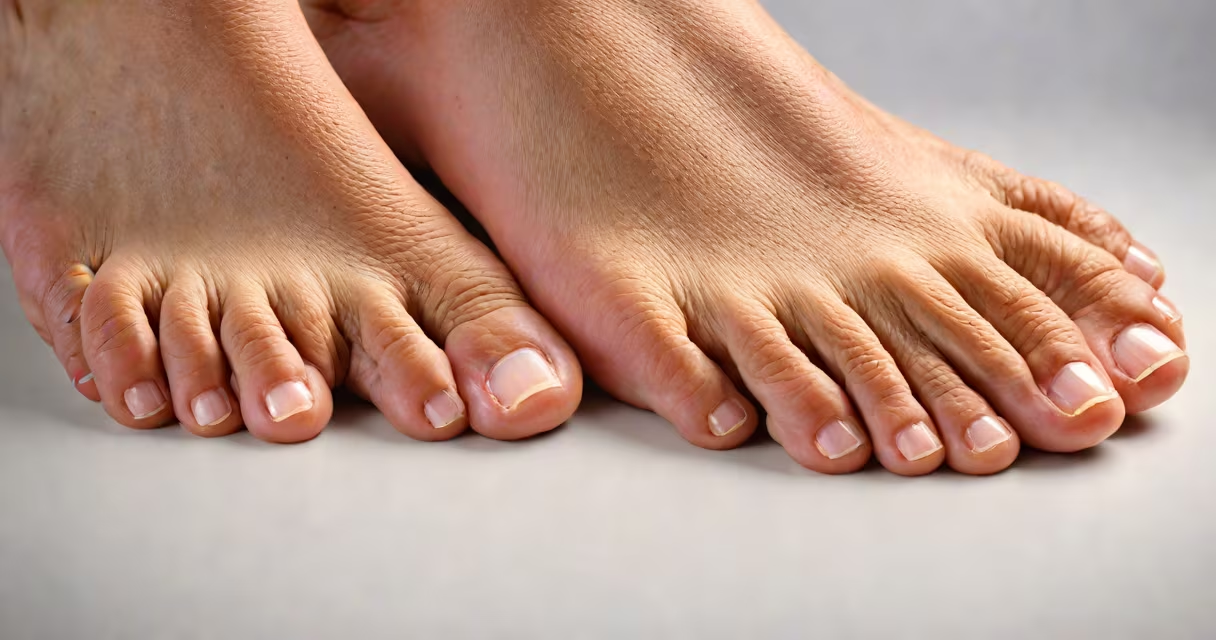
Chronic feet swelling refers to persistent fluid accumulation in the feet lasting more than two weeks, often indicating an underlying medical condition rather than temporary causes like prolonged standing or travel.
This condition results from impaired fluid regulation in the body's tissues. Normally, fluids move between blood vessels and surrounding tissues through osmotic and hydrostatic forces. When this balance fails-due to weakened circulation, damaged valves, or organ dysfunction-fluid pools in the lower extremities, especially the feet and ankles.
Unlike acute swelling that resolves within hours or days, chronic feet swelling persists or recurs despite rest, elevation, or compression socks. It may worsen over time and appear even at rest or during sleep. The skin may retain a dent after pressing (pitting edema), and shoes may feel tight without weight gain.
Fluid accumulates in the feet due to increased capillary pressure, reduced venous return, or decreased plasma oncotic pressure. These imbalances stem from systemic or localized problems.
For example, when the heart struggles to pump effectively-such as in congestive heart failure-blood backs up in the veins. This increases pressure in the capillaries of the legs, forcing fluid into the interstitial space. Over time, this leads to visible swelling, particularly in the evening or after sitting for long periods.
Similarly, kidney disease reduces the body's ability to excrete sodium and water. Excess sodium draws fluid into tissues, causing generalized edema. Liver disease impairs albumin production, lowering plasma oncotic pressure and allowing fluid to leak out of blood vessels.
Chronic feet swelling arises from several distinct medical conditions. Not all cases involve the same mechanism or treatment.
| Condition | Primary Mechanism | Typical Features |
|---|---|---|
| Heart failure | Backed-up venous pressure | Swelling worsens with activity, improves with rest; may include shortness of breath |
| Kidney disease | Reduced fluid excretion | Generalized swelling; often affects face and hands too; elevated creatinine levels |
| Deep vein thrombosis (DVT) | Blocked blood flow in leg veins | One-sided swelling; pain, warmth, redness; risk of pulmonary embolism |
| Lymphedema | Damaged lymphatic drainage | Non-pitting swelling; skin thickening; often develops slowly |
According to the American Heart Association, about 6.2 million adults in the U.S. have heart failure, and leg and foot swelling are among the most common symptoms. The National Kidney Foundation notes that 1 in 3 adults aged 60+ have some degree of chronic kidney disease, which frequently presents with swelling.
A lesser-known cause is medication-induced edema. Drugs like calcium channel blockers (used for high blood pressure), NSAIDs, and certain diabetes medications can promote fluid retention. Stopping the drug may reverse swelling, but this requires medical supervision.
Many assume chronic feet swelling is simply "bad circulation" or a sign of aging. But it's rarely benign. Persistent swelling is a red flag for serious illness.
One common error is attributing swelling to weight gain. A 2022 study in the Journal of Clinical Hypertension found that patients with early-stage heart failure often had normal body weight but significant ankle edema. The swelling appeared before noticeable weight changes.
Another misconception is that elevating the feet daily prevents chronic swelling. While elevation helps temporarily, it doesn't address root causes. Ignoring persistent swelling increases the risk of complications like skin breakdown, infections, or worsening heart function.
I treated a 68-year-old man who reported his shoes felt tight after walking to the mailbox. He'd noticed swelling for six weeks, dismissed it as "just getting older." His wife mentioned he'd gained no weight but was waking up with swollen feet.
Lab tests showed elevated BNP (a marker for heart strain), and an echocardiogram revealed reduced ejection fraction. He was diagnosed with systolic heart failure. After starting diuretics and lifestyle changes, his swelling resolved in four weeks. Without testing, we'd have missed a life-threatening issue.
Any swelling lasting more than seven days should prompt evaluation. Red flags include:
If swelling appears suddenly with chest pain or difficulty breathing, seek emergency care. These signs may indicate acute heart failure or pulmonary embolism.
Early diagnosis improves outcomes. The Centers for Disease Control and Prevention reports that timely intervention in heart failure reduces hospitalization rates by 30%.
Treatment targets the underlying cause. For heart-related swelling, medications like furosemide reduce fluid volume. Kidney disease may require dietary sodium restriction and dialysis. DVT demands anticoagulants to prevent clot extension.
Compression stockings help manage symptoms but don't cure the root problem. They work by applying graduated pressure-tightest at the ankle and loosening toward the calf-to assist venous return.
Simple lifestyle adjustments can support recovery: reducing salt intake to under 2,300 mg per day, avoiding prolonged sitting, and regular movement. Walking for 10 minutes every hour reduces venous stasis.
Chronic feet swelling differs from acute swelling caused by injury or infection. Acute swelling typically appears within hours, is painful, and resolves in days. Chronic swelling develops gradually, lacks pain, and persists.
Chronic feet swelling is not a normal part of aging. It signals a physiological imbalance requiring attention. Early recognition and treatment improve quality of life and reduce hospitalization risk.
Do not ignore persistent swelling. Seek evaluation if it lasts beyond a week, worsens over time, or occurs with other symptoms. Understanding the difference between transient and chronic swelling saves lives.
Recognizing chronic feet swelling early enables timely diagnosis and effective management. Addressing the root cause prevents further complications and restores mobility.