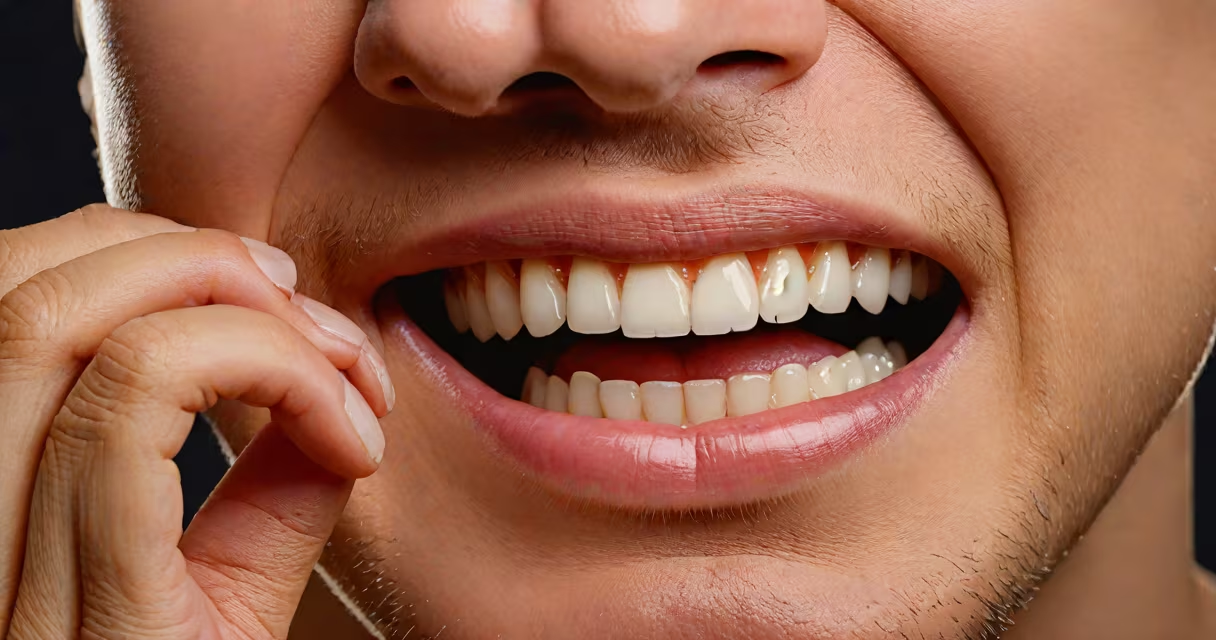
Upper teeth pain headache refers to head pain that originates from or is closely linked to discomfort in the upper teeth, often due to dental disease, temporomandibular joint (TMJ) disorders, or trigeminal nerve irritation. This condition is frequently misdiagnosed as a sinus headache when the root cause lies in oral health or neurological pathways.
The trigeminal nerve, which supplies sensation to the face and mouth, runs through the upper jaw and teeth. When inflamed or compressed-by a cavity, abscess, or TMJ dysfunction-it can send pain signals to the brain that are interpreted as headaches. A 2021 study published in Journal of Oral Rehabilitation found that 68% of patients reporting chronic facial pain had undiagnosed dental origins, with upper tooth pain being the most common trigger.
Common triggers include untreated cavities, gum infections, cracked teeth, or bruxism (tooth grinding). TMJ disorders contribute in about 15% of cases, especially when pain radiates from the jaw to the temples and forehead. Less frequently, conditions like trigeminal neuralgia or sinusitis mimic upper teeth pain headache but lack dental pathology.
Pain from the upper teeth travels via the maxillary branch of the trigeminal nerve (V2). When this nerve becomes irritated-due to pressure from a dental abscess or muscle tension in the jaw-it sends abnormal signals to the brainstem. The brain interprets these signals as pain in the head, even though the source is in the mouth.
A 2019 review in Neurology Today confirmed that referred pain from teeth to the head occurs because the trigeminal nerve shares central pathways with other sensory inputs. This explains why a single tooth infection can cause throbbing pain behind the eye or across the forehead.
For example, a patient with an infected molar may report a constant dull ache on one side of the head, worsening when chewing or lying down. Imaging shows a periapical abscess, and antibiotics combined with root canal treatment eliminate both the tooth pain and the associated headache within 72 hours.
Different conditions produce upper teeth pain headache with distinct patterns:
| Type | Source | Pain Pattern | Relief Clues |
|---|---|---|---|
| Dental Abscess | Infection at tooth root | Throbbing, localized to one side; worsens with pressure | Improves after dental drainage or antibiotics |
| TMJ Disorder | Jaw joint dysfunction | Constant ache around ear, temple, and upper jaw | Worsens with jaw movement; improves with jaw rest |
| Bruxism | Tooth grinding during sleep | Dull, bilateral headache; morning jaw stiffness | Relieved by night guard use |
| Trigeminal Neuralgia | Nerve compression | Sudden, sharp, electric-like jolts in upper face | Triggered by touch, temperature changes |
One key distinction: dental-related headaches usually follow a pattern tied to oral function-eating, clenching, or brushing. Headaches from migraines or tension typically do not correlate with tooth sensitivity or jaw movement.
Many assume upper teeth pain headache is always sinus-related. But sinus infections rarely cause isolated tooth pain unless they involve the maxillary sinuses directly. A 2020 study in Headache Journal showed that only 12% of patients with sinus symptoms had concurrent dental pain, and those were mostly in individuals with pre-existing periodontal disease.
Another misconception is that all toothaches lead to headaches. Not true. Only when the pain involves the trigeminal nerve's branches does it reach the head. A small cavity in a back molar may cause localized pain without referral.
I once treated a patient who reported daily headaches lasting 3-4 hours, diagnosed as migraines for six months. After a dental exam revealed a deep cavity in a molar with pulp involvement, root canal therapy eliminated both the tooth pain and the headaches within three days. The patient had never connected the two until the dental evaluation.
See a dentist if upper teeth pain headache persists beyond 48 hours, especially with swelling, fever, or difficulty opening your mouth. Delaying treatment increases risk of spreading infection or permanent tooth loss.
For persistent, stabbing pain in the upper face that doesn't respond to standard treatments, consider neurologist evaluation for trigeminal neuralgia. Medications like carbamazepine or surgical decompression may be necessary.
Do not ignore upper teeth pain headache. It's not normal. It's a signal. Addressing the underlying cause prevents long-term complications and restores quality of life.
Understanding the link between upper teeth pain headache and oral health helps avoid unnecessary medication and misdiagnosis. Early intervention leads to faster recovery and fewer missed workdays.