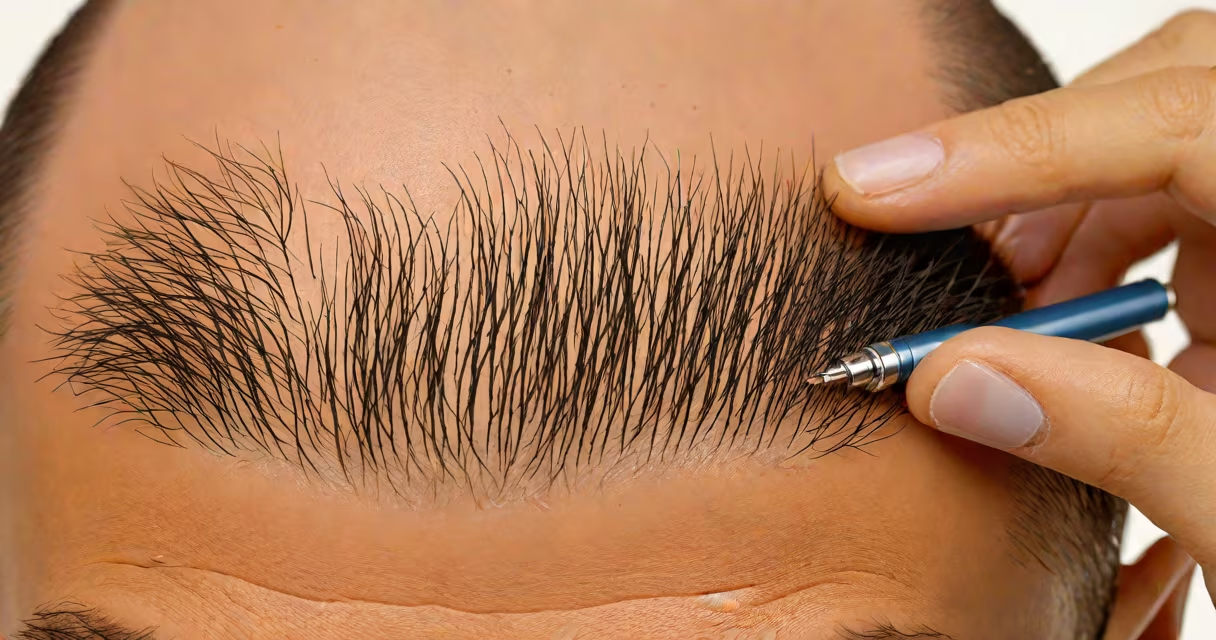
Stop alopecia areata spreading means using targeted medical and lifestyle approaches to halt the immune system's attack on hair follicles, preventing new bald patches from forming and preserving existing hair. Early action improves outcomes.
Alopecia areata is an autoimmune condition where the body's immune cells mistakenly target hair follicles, leading to sudden, round patches of hair loss. The goal of stopping it from spreading is not to reverse damage but to prevent further immune activation. Without intervention, new patches may appear within weeks, especially in people with a family history or concurrent autoimmune disorders.
Research shows that about 60% of individuals with patchy alopecia areata experience spontaneous regrowth within a year, but progression occurs in 30-40% of cases. Early treatment reduces the risk of widespread involvement. The American Academy of Dermatology notes that initiating therapy within six months of onset leads to better response rates compared to delayed treatment.
The immune system attacks hair follicles through T-cell infiltration in the dermal papilla region. This disrupts the hair growth cycle, pushing follicles into a resting phase (telogen) prematurely. Stopping spread involves interrupting this inflammatory cascade.
Treatment focuses on suppressing localized immune activity. Topical corticosteroids reduce inflammation and inhibit T-cell migration into the skin. Intralesional steroid injections deliver high-dose steroids directly into affected areas, achieving stronger suppression than creams. Both methods aim to restore follicular immune privilege-the natural state where hair follicles are protected from immune surveillance.
For moderate to severe cases, systemic immunomodulators such as methotrexate or cyclosporine may be prescribed. These drugs suppress broad immune responses but require monitoring due to side effects. A 2021 study in JAMA Dermatology found that patients using oral immunosuppressants had a 58% lower rate of new lesion development over 12 months compared to placebo.
Interventions fall into three categories: topical, injectable, and systemic. Each targets different stages of disease progression.
| Method | Best For | Dosing Frequency | Effectiveness in Halting Spread |
|---|---|---|---|
| Topical corticosteroids (e.g., clobetasol) | Mild cases, small patches | Once daily for 4-6 weeks | ~40% reduction in new lesions at 3 months |
| Intralesional triamcinolone injections | Stable patches, scalp involvement | Every 4-6 weeks | ~65% halting rate over 6 months |
| Oral immunosuppressants (methotrexate, cyclosporine) | Multiple patches, rapid progression | Weekly or daily, monitored | ~70% suppression of new lesions |
Phototherapy using narrowband UVB light is another option. It modulates local immune responses and promotes regulatory T-cell activity. A 2020 clinical trial showed that 30 sessions over 12 weeks reduced new patch formation by 52% in patients with recurrent episodes.
Many assume that stress alone causes alopecia areata to spread. While psychological stress can trigger flares, it is not the root cause. The condition stems from genetic predisposition and immune dysregulation. Blaming stress delays proper diagnosis and treatment.
Another misconception is that over-the-counter products like minoxidil stop spread. Minoxidil stimulates hair growth in dormant follicles but does not suppress immune activity. Using it alone may lead to temporary regrowth in treated areas while new patches emerge elsewhere. It's effective for maintenance, not prevention.
A key distinction: stopping spread is not the same as reversing hair loss. Regrowth requires sustained immune suppression and time. A 2022 review in British Journal of Dermatology emphasized that early intervention prevents progression to alopecia totalis (complete scalp loss) or universalis (total body loss), which are harder to treat.
I treated a 34-year-old woman who developed two 2-cm patches on her crown and left temple over four weeks. She reported no recent illness but had a family history of thyroid disease. Blood tests confirmed elevated anti-thyroid antibodies, indicating underlying autoimmunity.
We initiated intralesional triamcinolone injections (10 mg/mL) into both patches every four weeks. After three sessions, no new patches appeared. Over six months, she maintained stable coverage. Her dermatologist also prescribed low-dose methotrexate (7.5 mg weekly) due to recurrence risk. Within nine months, she experienced partial regrowth in both areas.
This case illustrates that combining targeted immune modulation with monitoring prevents progression. Delayed treatment often results in wider involvement and longer recovery times.
Consult a dermatologist if you notice sudden hair loss in distinct circular patterns, especially if it spreads over days or weeks. Early diagnosis allows for prompt intervention before multiple sites become involved.
People with a personal or family history of autoimmune conditions-like Hashimoto's thyroiditis or vitiligo-are at higher risk. Screening for these comorbidities improves long-term management. The National Institutes of Health recommends baseline thyroid function tests and antinuclear antibody panels in such cases.
Do not rely on home remedies or supplements to stop spread. Some herbal extracts, like saw palmetto, have weak evidence for hair health but lack data on autoimmune modulation. Using them as primary treatment risks delaying effective care.
Stop alopecia areata spreading begins with accurate diagnosis and consistent treatment. Avoid triggers like scalp trauma, excessive heat styling, and abrupt hormonal changes. Maintain a routine of regular follow-ups to adjust therapy as needed.
Stopping alopecia areata from spreading is achievable with timely, evidence-based care. Focus on immune regulation, not just cosmetic restoration.