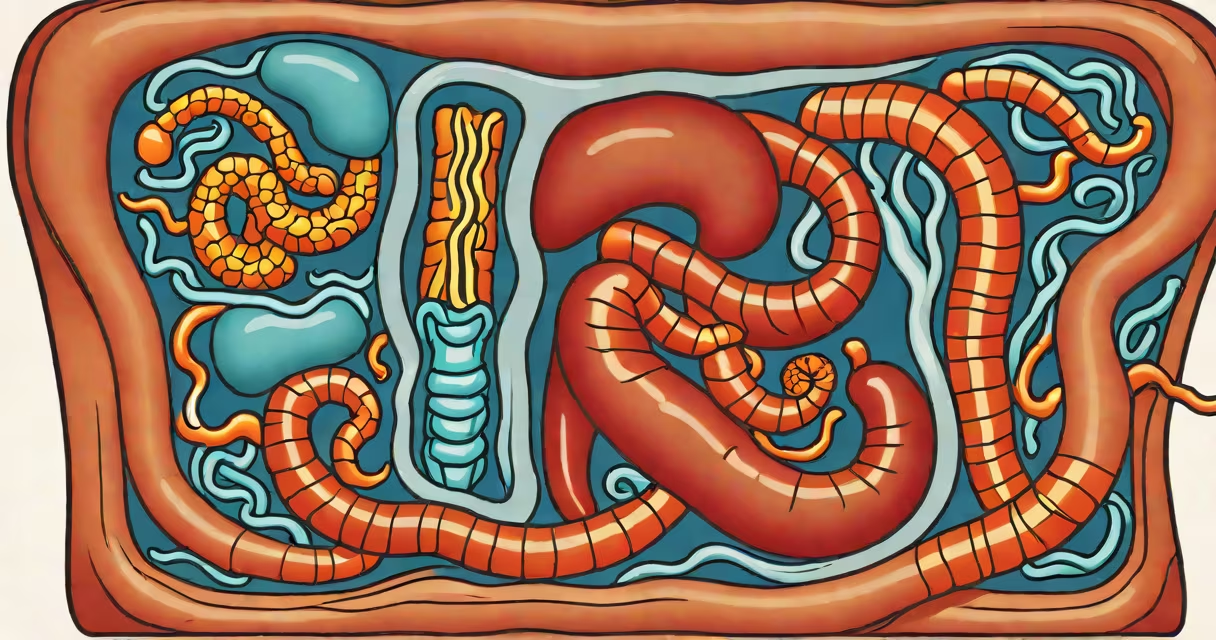
The stomach, small intestine, and large intestine are three interconnected organs that process food, absorb nutrients, and eliminate waste in the human digestive system. They work sequentially: the stomach breaks down food mechanically and chemically, the small intestine absorbs most nutrients, and the large intestine extracts water and forms stool.
Food enters the stomach through the esophagus. There, muscular contractions churn the food into a semi-liquid called chyme. Gastric juices-primarily hydrochloric acid and pepsin-break down proteins and kill many ingested microbes. The pyloric sphincter regulates the release of chyme into the duodenum, the first segment of the small intestine. This gate helps only partially digested material moves forward, preventing overload.
Once in the duodenum, chyme mixes with bile from the liver and pancreatic enzymes. Bile emulsifies fats; pancreatic enzymes-such as amylase, lipase, and trypsin-continue breaking down carbohydrates, fats, and proteins. The small intestine's inner lining features villi and microvilli-tiny finger-like projections that increase surface area for absorption. Over 90% of nutrient absorption occurs here, including glucose, amino acids, fatty acids, vitamins, and minerals.
| Organ | Primary Function | Key Structures | Length (average) |
|---|---|---|---|
| Stomach | Digestion via acid and enzyme action; temporary storage | Pyloric sphincter, gastric glands | ~25 cm (10 inches) |
| Small intestine | Nutrient absorption; continued enzymatic digestion | Villi, microvilli, Brunner's glands, Peyer's patches | ~6.5 meters (21 feet) |
| Large intestine | Water reabsorption; formation of feces; microbial fermentation | Cecum, appendix, colon segments (ascending, transverse, descending, sigmoid), rectum | ~1.5 meters (5 feet) |
The small intestine consists of three parts: duodenum, jejunum, and ileum. The duodenum handles most chemical digestion. The jejunum specializes in nutrient absorption, particularly sugars and amino acids. The ileum absorbs vitamin B12, bile salts, and remaining nutrients. A healthy small intestine maintains tight junctions between epithelial cells-this barrier prevents harmful substances from entering the bloodstream. When compromised, conditions like leaky gut syndrome may develop, though medical consensus still views this as a theoretical risk rather than a proven diagnosis.
The large intestine begins at the cecum, where the small intestine empties. It extends through the ascending, transverse, descending, and sigmoid colon before reaching the rectum. Its primary job is to reclaim water and electrolytes from undigested material. Without this step, diarrhea would result from excessive fluid loss. The large intestine also hosts trillions of bacteria-mostly in the colon-that ferment fiber into short-chain fatty acids like butyrate, which nourish colon cells and support immune health. A single gram of human feces contains about 10^11 bacteria.
Contrary to common belief, the large intestine does not produce "toxins" that must be flushed out. The idea that toxins accumulate in the colon and cause systemic illness lacks scientific basis. The bowel's natural transit time averages 36 hours from mouth to anus. Delayed transit-common in constipation-can lead to bloating and discomfort, but not toxicity. The body detoxifies through the liver and kidneys, not the colon.
I once observed a patient with chronic diarrhea and weight loss. Blood tests revealed low iron and vitamin B12 levels. An endoscopy showed flattened villi in the jejunum. Biopsy confirmed celiac disease. After six months on a strict gluten-free diet, symptoms resolved, and lab values normalized. This case illustrates how critical the small intestine is for nutrient uptake-and how failure leads to measurable clinical outcomes.
Problems in any part of the digestive chain affect the others. For example, delayed stomach emptying can overload the small intestine, leading to bloating and diarrhea. Conversely, inflammation in the large intestine-such as in ulcerative colitis-can alter fluid balance and indirectly impact small intestine function. These systems do not operate in isolation.
Understanding the roles of the stomach, small intestine, and large intestine clarifies how digestion supports health. Each organ performs distinct tasks: mechanical breakdown, nutrient extraction, and waste processing. Misconceptions-like the need to "cleanse" the colon-persist despite evidence. The body manages waste and detoxification efficiently through established physiological pathways.
When dysfunction occurs, it typically stems from structural issues, infections, autoimmune reactions, or imbalances in gut microbiota. Recognizing symptoms early-such as unexplained weight loss, persistent bloating, or changes in bowel habits-leads to timely diagnosis and treatment. The stomach small intestine and large intestine work as a coordinated unit, not as separate entities.