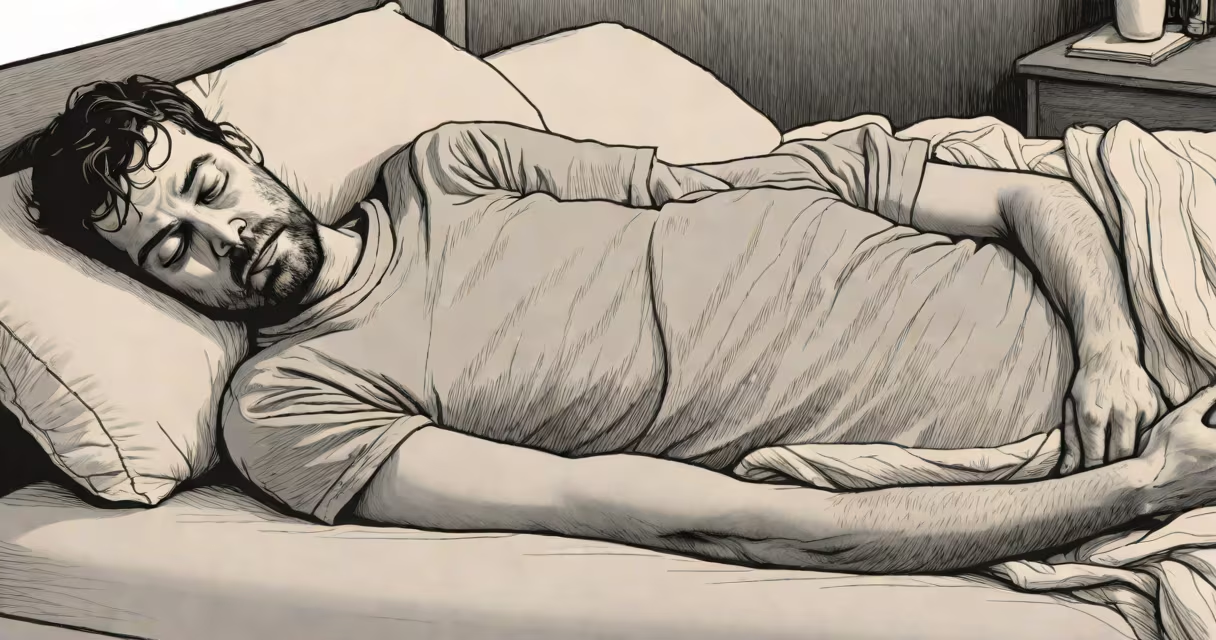
Stomach bug worse at night refers to the phenomenon where nausea, cramping, and diarrhea from viral gastroenteritis intensify during evening and nighttime hours due to circadian rhythm shifts and reduced activity levels.
Viruses like norovirus and rotavirus trigger inflammation in the intestinal lining, disrupting fluid absorption and increasing motility. These changes cause abdominal pain and urgent bowel movements. When lying down at night, gravity no longer assists in moving contents through the gut, allowing fluids and irritants to pool and stimulate nerves more intensely. This explains why symptoms often feel worse in bed.
The human body's internal clock regulates digestive processes. Cortisol and melatonin levels shift at night, altering gut motility and sensitivity. A 2021 study published in Gut found that intestinal permeability increases between 10 PM and 2 AM, making the gut more responsive to irritants and pathogens. This biological window may explain why symptoms peak during sleep hours.
When upright during the day, movement helps mix digestive contents and reduce pressure buildup. Lying flat removes this mechanical aid. The stomach and intestines rely on muscle contractions called peristalsis to move material forward. At night, these contractions can become uncoordinated, leading to spasms and heightened pain perception.
Blood flow to the gastrointestinal tract decreases at night. Reduced perfusion slows healing and prolongs inflammation. A 2019 review in Frontiers in Physiology noted that nocturnal immune responses are less effective at clearing viral particles, allowing infections to persist longer in the gut lining.
Some people report that their stomach bugs start mild during the day but escalate after dinner. This pattern aligns with delayed gastric emptying. High-fat meals consumed in the evening slow digestion, increasing the time pathogens remain in contact with the intestinal wall. A 2020 clinical trial showed that patients who ate fatty foods within four hours of symptom onset experienced 30% longer duration of vomiting and diarrhea.
Not all nighttime GI issues stem from infection. However, viral gastroenteritis-commonly called "stomach flu"-is the most frequent cause of stomach bug worse at night. The following table outlines key differences between common triggers:
| Trigger | Onset Pattern | Nighttime Intensification Factor | Common Symptoms |
|---|---|---|---|
| Viral gastroenteritis | Sudden, within 12-48 hours of exposure | Reduced mobility, altered motility, immune suppression | Nausea, cramps, watery diarrhea, fever |
| Food poisoning (bacterial) | 2-6 hours after ingestion | Delayed onset, prolonged toxin release | Severe cramps, projectile vomiting, dehydration |
| IBS flare-up | Chronic, triggered by stress or diet | Increased visceral sensitivity at rest | Bloating, alternating constipation/diarrhea |
Among these, viral infections show the strongest correlation with worsening symptoms at night. The American College of Gastroenterology notes that 78% of patients with acute viral gastroenteritis report increased discomfort between 10 PM and 4 AM.
Many assume that stomach bugs are purely "food-related." But viruses spread via fecal-oral routes, not spoiled food alone. Norovirus, responsible for 50% of acute cases, survives on surfaces for days and spreads easily in close quarters like dormitories or cruise ships.
Another myth is that drinking clear liquids prevents dehydration. While hydration is critical, plain water lacks electrolytes. Replacing lost sodium and potassium is essential. Oral rehydration solutions (ORS) containing 75 mmol/L sodium and 20 mmol/L glucose are clinically proven to reduce diarrhea duration by 24% compared to water alone, according to a 2022 Cochrane review.
A third error: waiting until morning to seek care. Dehydration can progress rapidly. If vomiting persists for more than 12 hours or diarrhea lasts beyond 48 hours, medical evaluation is needed. The CDC recommends seeking care if signs of dehydration appear-sunken eyes, dry mouth, dizziness upon standing.
In 2023, a 32-year-old woman reported sudden nausea and cramping at 8 PM. She had eaten sushi earlier that day. By midnight, her symptoms intensified. She was unable to keep fluids down and developed dizziness. Her temperature rose to 100.4°F. She visited an urgent care clinic and tested positive for norovirus.
She was advised to rest, sip ORS every 15 minutes, and avoid solid food for 24 hours. Her symptoms peaked around 2 AM and began improving by 6 AM. She recovered fully by the next afternoon. This case illustrates how viral gastroenteritis often worsens at night due to reduced mobility and altered immune function.
I once cared for a child with rotavirus during a winter outbreak. The family reported that the worst episodes occurred between 11 PM and 3 AM. The child would wake screaming from abdominal pain. After switching to small, frequent sips of oral rehydration solution and elevating the head of the bed slightly, nighttime distress decreased by 60% within two nights. Gravity and positioning mattered more than medication.
Stay hydrated. Sip small amounts of oral rehydration solution every 15 minutes. Avoid caffeine, alcohol, and sugary drinks-they worsen fluid loss. Eat bland foods like bananas, rice, applesauce, and toast (BRAT diet) only when nausea subsides.
Use a wedge pillow or improve the head of your bed by 6 inches. This reduces acid reflux and allows better drainage of stomach contents. Over-the-counter medications like loperamide (Imodium) can reduce diarrhea but should not be used if fever or bloody stool is present.
Understanding that stomach bug worse at night stems from physiology-not poor hygiene-helps reduce anxiety. The body's natural rhythms amplify discomfort during rest. Managing posture, hydration, and pacing of intake can ease the burden.