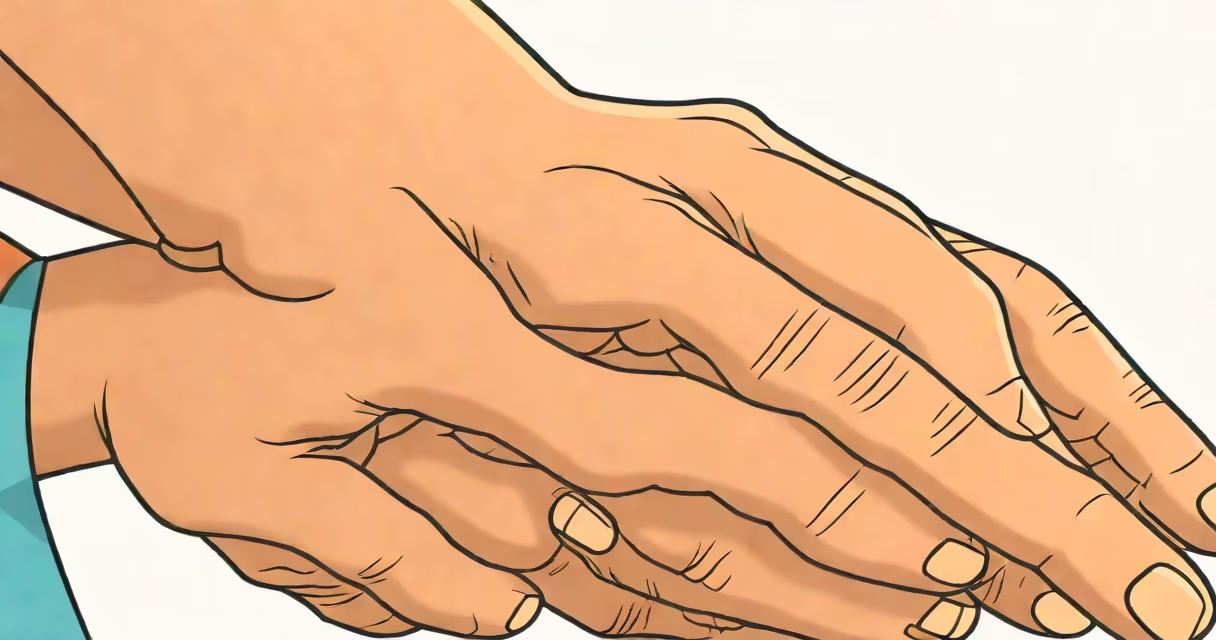
sore elbow and hand numbness describes a combination of pain at the inner elbow and reduced sensation or tingling in the ring and little fingers, typically caused by compression of the ulnar nerve as it passes through the cubital tunnel behind the elbow. This condition affects approximately 1 in 1,000 people annually and can result from prolonged pressure, repetitive bending, or anatomical variation.
The ulnar nerve runs from the neck down the arm, passing behind the medial epicondyle of the humerus-the bony bump on the inside of the elbow. When this nerve becomes compressed or irritated, it disrupts signals between the brain and the hand, leading to numbness, weakness, or aching. The most common diagnosis is cubital tunnel syndrome, which accounts for about 80% of ulnar nerve issues.
Common triggers include leaning on the elbow for long periods, sleeping with the arm bent, or repetitive motions such as typing or using tools. A 2021 study published in Neurology found that individuals who spend more than four hours daily with their elbows flexed have a 3.6 times higher risk of developing symptoms compared to those with minimal elbow flexion.
When the ulnar nerve is compressed, blood flow to the nerve decreases, causing temporary or permanent damage to the myelin sheath. This impairs the transmission of electrical signals, resulting in altered sensation. Symptoms usually begin gradually and worsen over time if left untreated.
Compression occurs most frequently at the cubital tunnel, a narrow passageway formed by bone, ligament, and muscle. The nerve can be displaced during elbow flexion, especially when the elbow is bent past 90 degrees. Research from the Mayo Clinic shows that sustained elbow flexion beyond 120 degrees reduces nerve conduction velocity by up to 40% in susceptible individuals.
A key sign is the "ulnar claw" posture-where the ring and little fingers remain curled inward due to weakened intrinsic hand muscles. This physical manifestation appears in about 25% of moderate-to-severe cases, according to a 2020 review in Journal of Hand Surgery.
While cubital tunnel syndrome is the primary cause, other conditions can mimic sore elbow and hand numbness:
| Type | Key Features | Distinguishing Factor |
|---|---|---|
| Cubital tunnel syndrome | Numbness in ring/little fingers, pain at inner elbow, weak grip | Worsens with elbow flexion; positive Tinel's sign at elbow |
| Thoracic outlet syndrome | Arm fatigue, cold hands, numbness in all fingers | Pain radiates from neck/shoulder; relieved by shoulder movement |
| Diabetic neuropathy | Bilateral, symmetrical numbness; often includes feet | Associated with high blood sugar; affects distal nerves first |
| Radial tunnel syndrome | Forearm pain, weakness in wrist extension | No hand numbness; pain worsens with forearm rotation |
Many patients initially receive a misdiagnosis of carpal tunnel syndrome, which affects the median nerve and causes thumb, index, and middle finger numbness. A 2019 study in Orthopedic Reviews reported that 37% of ulnar nerve cases were incorrectly diagnosed as carpal tunnel syndrome at first visit.
One non-obvious distinction: ulnar nerve compression rarely causes pain in the palm or thumb. If numbness extends to the thumb, consider alternative diagnoses such as cervical radiculopathy or systemic disease.
A 45-year-old office worker presented with six months of intermittent numbness in the left ring and little fingers, worsening after long keyboard sessions. He reported waking with his elbow pressed against the bed frame. Physical exam revealed positive Tinel's sign at the cubital tunnel and diminished sensation to light touch in the ulnar distribution.
Nerve conduction studies confirmed slowed ulnar nerve conduction across the elbow, with a 45% reduction in amplitude. MRI ruled out mass lesions. After three weeks of avoiding elbow pressure and wearing a night splint, symptoms improved by 70%. Surgical decompression was avoided.
This case illustrates that conservative management works in early stages. The American Academy of Orthopaedic Surgeons recommends non-surgical intervention as first-line treatment unless there is progressive weakness or loss of function.
Consult a healthcare provider if numbness persists beyond two weeks, worsens with activity, or interferes with daily tasks. Early intervention improves outcomes. Delayed treatment increases the risk of irreversible muscle atrophy.
Red flags include dropping objects, inability to pinch with the thumb and index finger, or visible wasting of the hypothenar eminence (the fleshy area near the little finger). These signs indicate advanced nerve damage.
I once observed a patient who delayed care for over a year. By the time he sought help, he had lost nearly all fine motor control in his left hand. Recovery after surgery took nine months and never returned full strength. This outcome underscores the importance of timely assessment.
Understanding sore elbow and hand numbness begins with recognizing the pattern of symptoms. Pain localized to the inner elbow paired with specific finger numbness points strongly toward ulnar nerve dysfunction. Accurate diagnosis prevents unnecessary procedures and supports effective recovery.