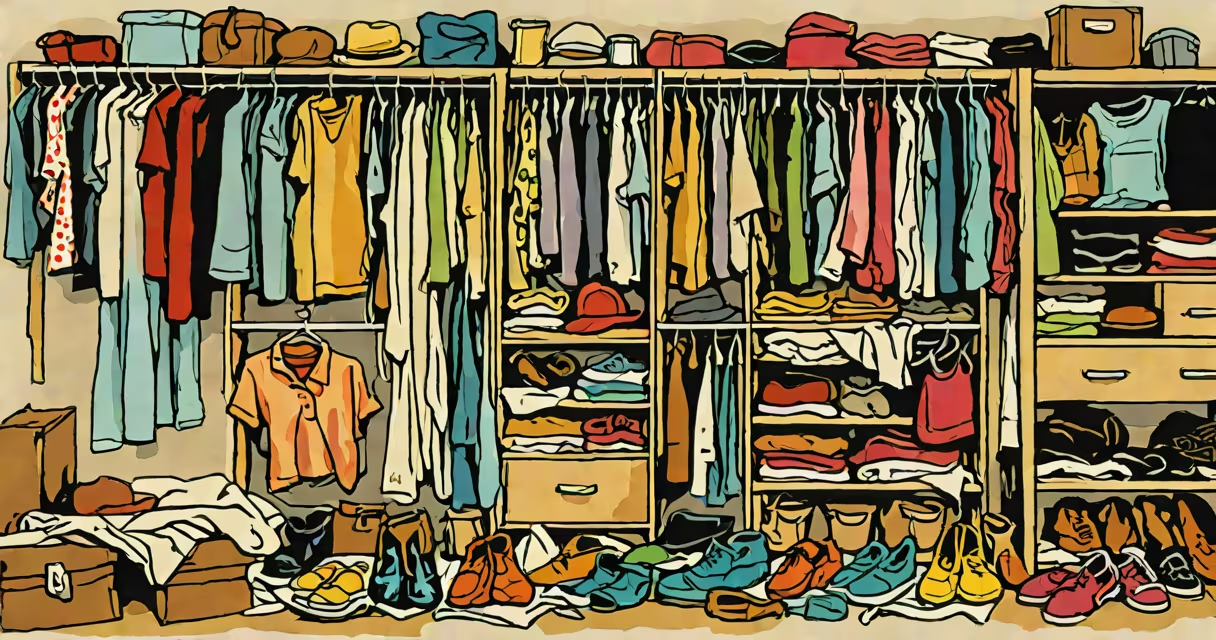
Selling 2nd hand stuff means listing previously owned items for sale to others through online platforms, local marketplaces, or in-person exchanges. It's a way to turn unused or lightly used possessions into cash or trade for new items. This process includes cleaning, photographing, pricing, and shipping or meeting buyers.
People sell 2nd hand stuff to clear space, earn extra income, reduce waste, or support sustainable consumption. Common items include clothing, electronics, furniture, books, and collectibles. The practice has grown since the rise of mobile apps and social commerce, enabling anyone with a smartphone to start a mini-resale business.
According to the U.S. Environmental Protection Agency, Americans discard about 80 million tons of textiles annually. Reselling even a fraction of that reduces landfill burden and extends product lifecycles. Platforms like eBay, Poshmark, and Facebook Marketplace have formalized this behavior into a widespread economic activity.
Selling 2nd hand stuff begins with identifying usable items you no longer need. Sort by category-clothing, tech, home goods-and assess condition. Clean or repair minor flaws. Take clear photos under natural light, showing front, back, and close-ups of damage or wear.
List each item with accurate descriptions: brand, size, model number, year, and any defects. Use specific keywords like "size medium," "iPhone 12 Pro Max 256GB," or "vintage 1980s denim jacket." Avoid vague terms like "good condition" or "like new."
Set a competitive price based on recent sales of similar items. Check completed listings on eBay or Poshmark to see what comparable products sold for. Accept offers or set a "best offer" option. Handle payments through secure platform tools-never send items before receiving payment.
Platforms differ in audience, fees, and ease of use. Choose based on your item type and desired speed of sale.
| Platform | Best For | Fees | Example Use Case |
|---|---|---|---|
| Facebook Marketplace | Clothing, furniture, tools | 0% | Local pickup only; ideal for bulky items like a sofa or bike |
| Poshmark | Designer clothes, shoes, accessories | 15% (seller pays); $2.95 shipping label fee | High-value fashion items; users trust the platform's authentication |
| eBay | Electronics, collectibles, vintage gear | 10-15% (final value fee); $0.30 listing fee | Used DSLR cameras; auction-style sales drive higher prices |
| Depop | Streetwear, niche fashion, handmade items | 10% (platform takes cut) | Unique vintage denim or limited-run sneakers; appeals to Gen Z buyers |
Each platform has distinct buyer expectations. On Depop, a well-curated feed with consistent styling attracts more views. On eBay, detailed specs and high-resolution images increase trust. A 2023 study by the National Retail Federation found that 68% of buyers check at least three photos before purchasing used items.
Many assume selling 2nd hand stuff is easy or requires no effort. That's false. Success demands attention to detail. A poorly lit photo or vague description leads to fewer views and lower offers.
Another misconception is that all used items are worth something. Not true. A 2022 report from the U.S. Consumer Product Safety Commission found that 43% of unsold secondhand listings were either damaged, missing parts, or incorrectly priced. Overpricing by 20% or more reduced conversion rates by 61% compared to fair-market pricing.
Some sellers think they must list everything at once. But consistency beats volume. One seller I met on Instagram shared that she sold 12 items in three months by posting one new listing per week-each with a story, proper lighting, and a clear return policy. Her average sale price was $42, nearly double the national median for used clothing.
Use a white backdrop or neutral wall for photos. Avoid shadows and reflections. Show scale by placing a ruler or common object (like a coffee mug) next to the item.
Include key details: size, material, serial numbers, and proof of purchase if available. For electronics, list battery health, screen cracks, and whether accessories are included.
Respond quickly to messages. Buyers prefer sellers who reply within 2 hours. A 2023 survey by Shopify showed that listings with replies in under 24 hours had 3.7x more conversions than those with delayed responses.
Ship with tracking. Use flat-rate boxes from USPS or print labels via Shippo. Always confirm delivery. Disputes over lost packages are common when tracking isn't used.
I sold my 2019 MacBook Air (13-inch, 256GB SSD) for $650. Here's how:
The entire process took 48 hours. I earned $650 after deducting $0 in fees. The buyer left a 5-star review.
For larger or riskier transactions, use escrow services like Escrow.com or platform-backed protection. Never ship without tracking.
Do not sell items that are broken beyond repair, stolen, or unsafe. The FTC warns against selling counterfeit goods-especially designer bags or branded apparel-because they violate federal trademark law. Penalties include fines up to $2 million per violation.
Also avoid selling items with personal data. Always factory reset devices. Remove SIM cards, iCloud locks, and Google accounts. A 2021 study by the Identity Theft Resource Center found that 14% of used smartphones still contained unremoved personal data.
If an item is rare or valuable-like a signed sports jersey or vintage watch-consult a professional appraiser before listing. Misrepresenting authenticity can lead to legal action.