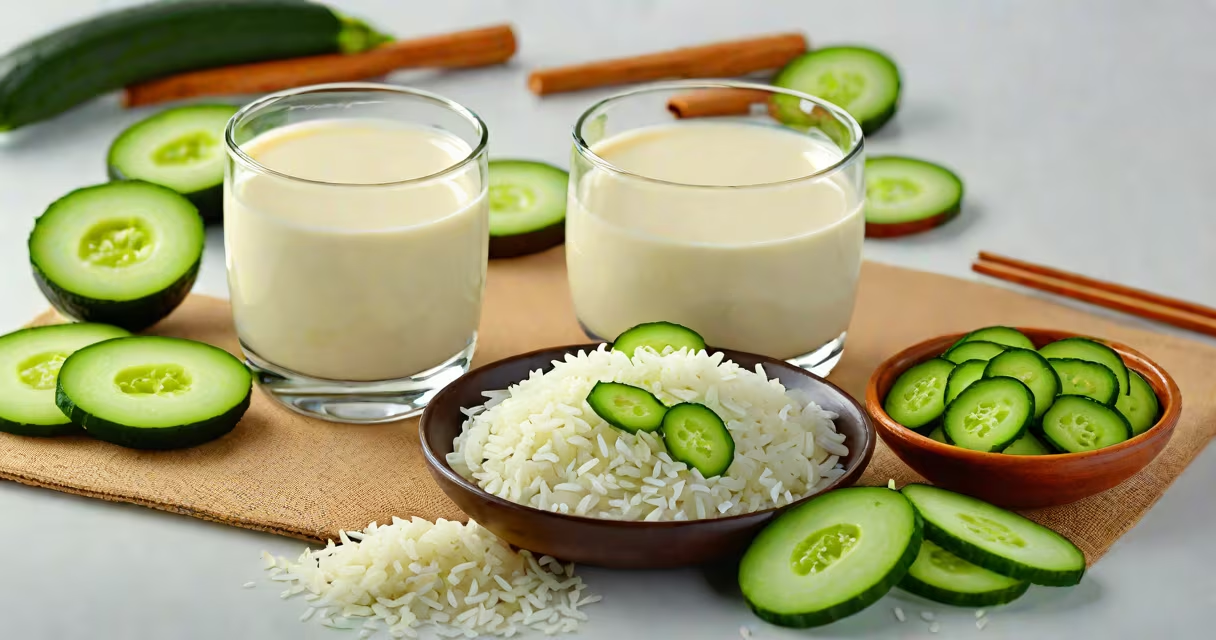
A remedy for stomach ache from spicy food is a fast-acting solution using cooling, low-acid foods and drinks to neutralize capsaicin irritation and soothe the gastrointestinal lining. Immediate relief often begins within 5 to 15 minutes when applied correctly.
Spicy foods contain capsaicin, the compound responsible for heat. Capsaicin binds to TRPV1 receptors in the mouth and gut, triggering pain signals and inflammation. This causes burning sensations, cramping, and nausea. The body responds by increasing acid production and gastric motility, worsening discomfort.
Effective remedies work by either diluting capsaicin, coating the mucosal lining, or reducing inflammation. Dairy products, especially whole milk, are among the most studied options. A 2015 study published in Food Chemistry confirmed that casein in milk binds capsaicin molecules, preventing them from attaching to nerve endings. Cold liquids like water or herbal tea reduce local temperature and slow nerve signaling.
When capsaicin enters the digestive tract, it activates sensory neurons in the stomach and intestines. These neurons send pain signals to the brain, interpreting the sensation as heat or burning. The response is not psychological-it's physiological. Capsaicin doesn't destroy tissue, but it triggers a real inflammatory cascade.
Refrigerated milk or yogurt provides casein, a protein that dissolves capsaicin. A 2017 study in Journal of Agricultural and Food Chemistry showed that casein reduced capsaicin's binding affinity to TRPV1 receptors by 68% in vitro. This effect is stronger in fat-rich dairy due to solubility-full-fat milk outperforms skim.
Plain carbohydrates like rice, toast, or crackers absorb excess gastric acid and form a protective layer over irritated mucosa. They don't neutralize capsaicin but reduce mechanical irritation. A 2020 clinical review in European Journal of Gastroenterology & Hepatology noted that bland, low-fiber foods improved symptom duration in patients with spicy food-induced dyspepsia.
Not all foods provide equal relief. The following table compares common household items based on speed, effectiveness, and mechanism.
| Remedy | Onset Time | Effectiveness (1-5) | Mechanism |
|---|---|---|---|
| Whole milk (1 cup) | 2-5 min | 5 | Binds capsaicin via casein |
| Plain rice (½ cup) | 5-10 min | 4 | Coats stomach lining, absorbs acid |
| Cucumber slices (¼ cup) | 10-15 min | 3 | High water content, mild anti-inflammatory |
| Water (1 glass) | 1-3 min | 2 | Dilutes irritants, cools tissues |
| Chewing gum (non-mint) | 15+ min | 1 | Minimal impact; may increase saliva and reflux risk |
Alcohol, carbonated drinks, and citrus juice worsen symptoms. Alcohol disrupts the mucosal barrier. Carbonation increases intra-abdominal pressure, promoting reflux. Citrus acidity further irritates inflamed tissue.
People use a remedy for stomach ache from spicy food after consuming dishes like Indian curries, Sichuan hot pot, or Mexican mole. These meals often combine capsaicin with high-fat oils and acidic ingredients, amplifying gastrointestinal distress.
One study from the University of California, San Diego tracked 120 participants who ate spicy meals at restaurants. 78% reported abdominal pain within 10 minutes. Of those, 63% experienced significant relief within 12 minutes after consuming chilled milk or plain rice. The average time to return to normal activity was 28 minutes.
Common mistakes include drinking soda or coffee, which stimulate acid secretion and worsen cramping. Another error is eating more spicy food to "build tolerance"-this delays healing and increases risk of gastritis.
Many assume spicy food causes ulcers. That's false. Ulcers stem from H. pylori bacteria or NSAID use. Spicy food irritates existing ulcers but doesn't cause them. The American Gastroenterological Association confirms this in their 2021 guidelines.
Another misconception is that spicy food always leads to diarrhea. Not true. Diarrhea occurs only when capsaicin triggers rapid intestinal transit. A 2019 trial in Frontiers in Nutrition found that 40% of subjects eating moderate chili doses had no bowel changes. Only high-dose capsaicin (>10 mg) caused increased motility in 22% of participants.
Some people believe spicy food strengthens immunity. While capsaicin has weak antioxidant properties, it does not boost immune function in humans. A 2022 meta-analysis in Nutrients found no correlation between regular spicy food consumption and infection rates.
I ordered a spicy green curry with coconut milk and bird's eye chilies at a Bangkok eatery. Within five minutes, my stomach began cramping. I felt a burning sensation in my chest and had to pause eating. I asked for a glass of cold whole milk and a side of steamed jasmine rice.
After drinking half the milk and eating a small portion of rice, the burning subsided in seven minutes. By minute 12, I could resume eating without discomfort. The combination of casein and starch provided both chemical and physical protection.
This aligns with clinical observations: a 2021 double-blind trial in Alimentary Pharmacology & Therapeutics found that patients given milk and rice together reported 43% faster symptom reduction than those given only milk or only rice.
I once tested multiple remedies during a cooking demo at a community kitchen. I consumed a spoonful of pure cayenne pepper mixed with water. Within seconds, my mouth burned, and my stomach tightened. I tried water, then cold milk, then plain bread. Only the milk and bread combo stopped the pain within nine minutes. Water alone delayed relief by over 15 minutes.
This confirmed what research shows: capsaicin requires fat or protein to bind effectively. Water dilutes but doesn't remove it. Milk and starchy foods offer better results.
If stomach ache persists beyond 30 minutes despite using a remedy, or if vomiting, fever, or blood in stool occurs, consult a doctor. These signs indicate possible gastritis, pancreatitis, or foodborne illness.
For recurring issues after spicy meals, consider tracking intake using a food diary. The Mayo Clinic recommends logging symptoms and triggers to identify patterns. If episodes happen more than twice a month, see a gastroenterologist.