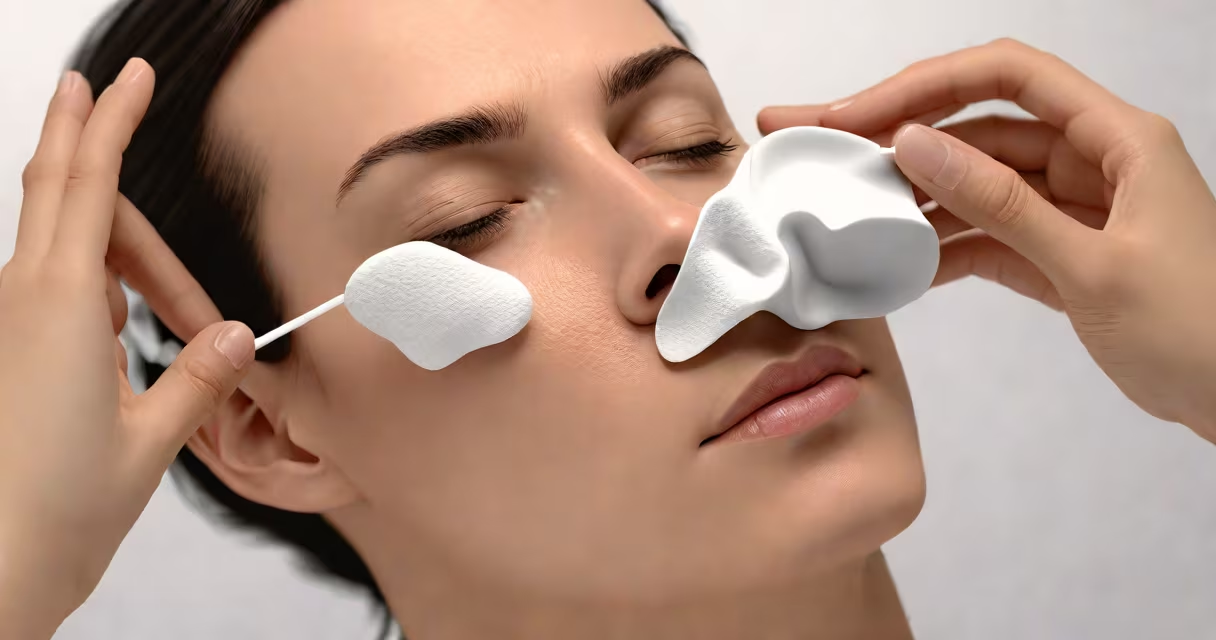
Relieve sinus pressure behind eye using targeted nasal irrigation, steam inhalation, and heat application to reduce inflammation and open blocked sinuses. This condition arises when the frontal or ethmoid sinuses become congested due to infection, allergies, or environmental irritants.
Sinus pressure behind the eye occurs when inflamed sinuses press against nerves near the orbital bone. The frontal sinuses sit above the eyes, while the ethmoid sinuses lie between them. When mucus builds up or swelling blocks drainage, pressure accumulates. Symptoms include dull pain, tightness, and a sensation of fullness behind one or both eyes.
According to the American Academy of Otolaryngology-Head and Neck Surgery, chronic sinusitis affects about 12% of adults in the U.S., often presenting with pain localized behind the eyes. Acute cases typically resolve within 10 days, but persistent symptoms may indicate infection or structural issues requiring medical evaluation.
The sinuses are air-filled cavities lined with mucous membranes. They drain through small openings into the nasal passages. When these pathways become obstructed-by swollen tissues, thick mucus, or polyps-fluid cannot exit. Pressure increases because trapped air and fluid push against sensitive nerve endings around the eye socket.
Common triggers include viral upper respiratory infections, seasonal allergies, dry indoor air, and exposure to pollutants. For example, a 2021 study published in Frontiers in Immunology found that airborne allergens like pollen and dust mites increase mucus production in individuals with allergic rhinitis, leading to sinus congestion.
When the ethmoid sinuses swell, they press directly against the inner corner of the eye. This explains why pressure behind the eye often feels sharp or stabbing during bending or sudden movement-gravity shifts fluid, increasing pressure on nerves.
Not all sinus pressure behind the eye stems from the same cause. The most common types include:
| Type | Trigger | Duration | Relief Method |
|---|---|---|---|
| Acute sinusitis | Viral infection, colds | Less than 4 weeks | Nasal saline rinse, steam, rest |
| Allergic sinusitis | Pollen, mold, pet dander | Chronic, seasonal | Allergy meds, HEPA filters, avoidance |
| Chronic sinusitis | Polyps, deviated septum, fungal infection | More than 12 weeks | Medical treatment, surgery in severe cases |
One non-obvious distinction: pressure behind the eye from sinus issues rarely causes vision changes. If blurriness or double vision occurs, it signals a neurological or orbital issue-not sinus congestion. The Mayo Clinic notes that such symptoms require immediate ophthalmological evaluation.
A key error people make is mistaking sinus pressure behind the eye for migraines. While both can cause throbbing pain around the eye, migraines usually involve nausea, light sensitivity, and aura. Sinus-related pain worsens when leaning forward or lying down-positions that increase intranasal pressure.
Several evidence-based strategies reduce sinus pressure behind the eye. The most effective are:
For example, a 34-year-old teacher reported significant improvement after using a neti pot twice daily for five days during a spring allergy flare-up. Her pressure behind the left eye decreased from constant dull ache to occasional mild discomfort.
Over-the-counter options like pseudoephedrine (Sudafed) or antihistamines (loratadine) may help. But long-term use of decongestants can lead to rebound congestion. The FDA warns against using nasal sprays longer than three days without medical advice.
Relieve sinus pressure behind eye with home care if symptoms last less than 10 days. If pain persists beyond two weeks, worsens, or includes fever, facial swelling, or discharge, consult a doctor.
Red flags include pain that radiates to the jaw or teeth, which may indicate dental sinusitis-a condition where an infected tooth root extends into the maxillary sinus. An imaging scan (CT or MRI) may be needed to rule out tumors or structural abnormalities.
One personal observation: during a winter trip to Colorado, I experienced intense pressure behind both eyes after flying. The low humidity and altitude contributed to sinus drying and blockage. After using a humidifier and saline spray, symptoms resolved in 48 hours. This reinforced how environmental factors influence sinus health.
Understanding how to relieve sinus pressure behind eye begins with recognizing the difference between temporary congestion and chronic disease. Addressing the root cause-whether allergy, infection, or anatomy-leads to lasting relief.
Use targeted treatments like nasal irrigation and heat therapy to relieve sinus pressure behind eye effectively. Avoid prolonged medication use without guidance. Persistent symptoms demand professional assessment.