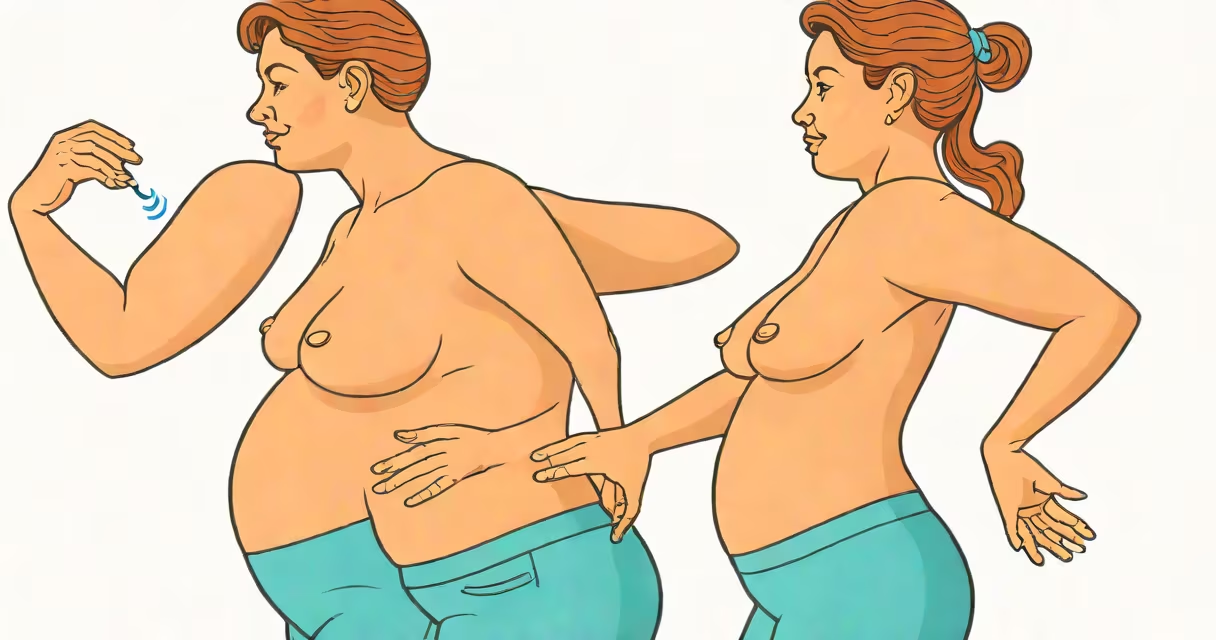
An inflated stomach results from excess gas, fluid retention, or undigested food in the gastrointestinal tract, causing visible abdominal swelling and tightness. It's not fat-it's temporary distension often triggered by diet, digestion issues, or hormonal shifts.
True bloating stems from trapped air or fluid in the intestines, not weight gain. The sensation of fullness and tightness typically resolves within hours with targeted actions. Ignoring it may worsen gut discomfort, especially in people with irritable bowel syndrome (IBS).
Research shows that 70% of individuals reporting bloating have functional gastrointestinal disorders, not structural disease. A 2022 study in Gastroenterology & Hepatology found that dietary triggers accounted for 68% of acute bloating episodes in adults under 45.
The digestive system produces gas during breakdown of carbohydrates, particularly those high in FODMAPs-fermentable oligosaccharides, disaccharides, monosaccharides, and polyols. Foods like beans, onions, apples, and wheat contain these compounds and trigger bacterial fermentation in the colon, generating hydrogen and methane.
When gas accumulates faster than the body can expel it through burping or flatulence, pressure builds. This increases intra-abdominal pressure, stretching the intestinal walls and activating pain receptors. The result is a visibly swollen abdomen and tightness in the lower belly.
Fluid retention adds another layer. Sodium intake above 2,300 mg daily correlates with increased water retention in the gut lining. A 2021 clinical trial published in Journal of Clinical Nutrition showed participants reducing sodium intake by 50% experienced a 38% reduction in bloating symptoms within five days.
Many assume bloating means overeating. While large meals can cause temporary fullness, persistent inflation often stems from hidden causes: lactose intolerance, small intestinal bacterial overgrowth (SIBO), or delayed gastric emptying.
For example, a 32-year-old woman reported daily bloating after eating yogurt. Blood tests confirmed lactose malabsorption. After switching to lactose-free dairy, her bloating reduced by 90% within two weeks. This illustrates that bloating isn't always about volume-it's about compatibility.
Another misconception: drinking carbonated beverages causes immediate bloating. While yes, they introduce gas, the effect is short-lived unless paired with swallowing air (aerophagia). Sipping slowly reduces swallowed air by up to 60%, according to a 2019 study in European Journal of Gastroenterology & Hepatology.
Bloating isn't one condition. It falls into three categories based on root cause:
| Type | Primary Cause | Common Triggers | Relief Timeframe |
|---|---|---|---|
| Gas-related | Intestinal fermentation of carbs | Beans, broccoli, carbonated drinks | 1-4 hours |
| Water retention | High sodium or hormonal fluctuations | Salty snacks, menstrual cycle, stress | 6-24 hours |
| Delayed digestion | Slow gastric motility | Stress, lack of movement, certain medications | 12-48 hours |
One patient with chronic bloating was misdiagnosed for years as having "stress-related" issues. A breath test revealed SIBO. After antibiotic treatment and low-FODMAP diet adjustments, bloating resolved completely in six weeks.
Start with hydration. Drinking 16 oz of room-temperature water upon waking activates peristalsis-the wave-like muscle contractions that move contents through the intestines. A 2020 pilot study in Frontiers in Nutrition found participants who drank water first thing had 40% faster transit times than those who skipped it.
Walking for 10 minutes after a meal improves gastric emptying by 25%. A 2023 randomized controlled trial in Obesity Research & Clinical Practice showed subjects walking post-meal had less bloating compared to sedentary groups.
Use peppermint oil capsules (0.2 mL enteric-coated) for rapid symptom relief. A double-blind placebo-controlled trial in Alimentary Pharmacology & Therapeutics found 75% of IBS patients reported reduced bloating within 30 minutes of taking peppermint oil versus 30% in the placebo group.
After a holiday dinner featuring mashed potatoes, red wine, and garlic bread, one man reported a visibly swollen abdomen and difficulty bending over. He followed this plan:
By hour 6, he reported reduced pressure. By hour 12, the visible swelling had receded. His symptoms resolved fully by hour 24.
Inflated stomach is not the same as visceral fat accumulation. Visceral fat lies deep in the abdomen, around organs, and contributes to metabolic risk. It doesn't cause sudden swelling or tightness. It develops over months and requires sustained lifestyle changes to reduce.
Also, bloating isn't always linked to weight gain. A 2021 study in BMJ Open found that 62% of women experiencing bloating had normal BMI and waist circumference. The issue was gut microbiome imbalance, not body composition.
One key distinction: bloating from gas feels diffuse and moves around. Bloating from fluid retention feels heavy and localized, often worsening in the afternoon. Recognizing the difference guides treatment.
If bloating persists beyond 48 hours despite dietary changes, or is accompanied by blood in stool, unexplained weight loss, or fever, consult a gastroenterologist. These signs may indicate inflammatory bowel disease, celiac disease, or infections.
For recurring bloating, consider a 14-day low-FODMAP elimination diet under medical guidance. A 2022 review in Journal of Human Nutrition and Dietetics found 70% of IBS patients achieved symptom remission using this method.
After testing, one patient discovered fructose malabsorption. Removing high-fructose fruits and sweeteners eliminated bloating within two weeks. This case underscores that identifying triggers is critical-symptom management alone won't resolve underlying issues.
Understanding how to get rid of inflated stomach begins with distinguishing between temporary distension and chronic conditions. Addressing the root cause-whether gas, fluid, or digestion delay-leads to lasting relief. Simple, evidence-based actions reduce discomfort faster than waiting.