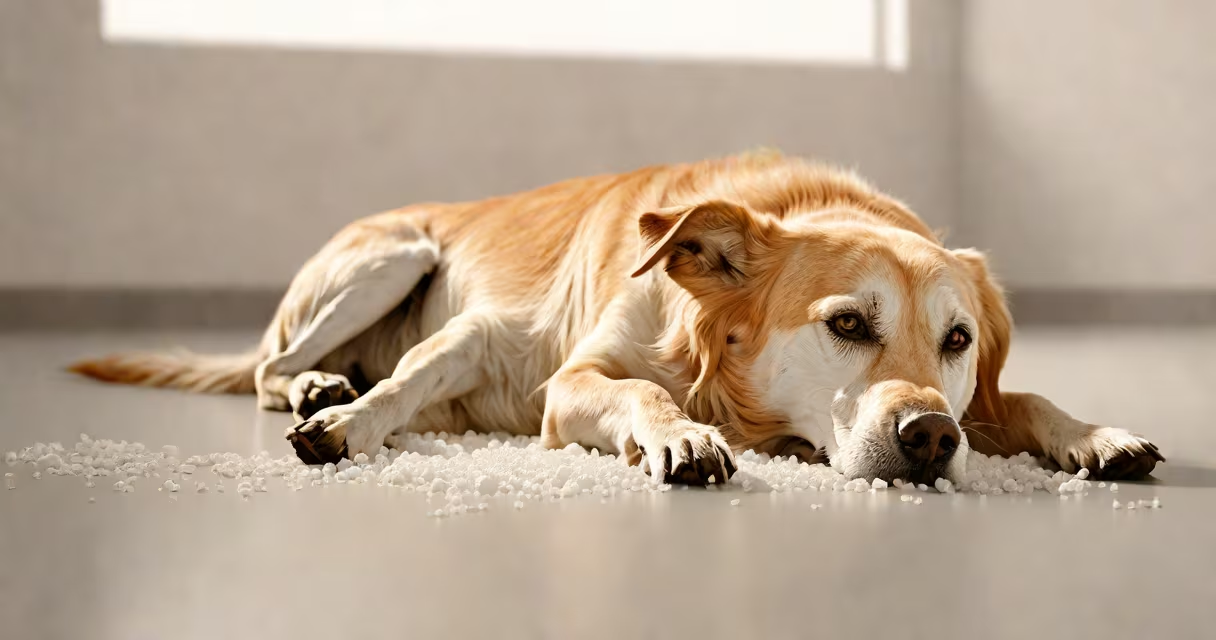
Nausea and soft stool in dogs indicate gastrointestinal upset, often due to dietary indiscretion, infection, parasites, or systemic illness. This combination suggests the digestive system is disrupted, leading to reduced motility and altered fecal consistency.
Soft stool-defined as stool that lacks firm structure but isn't fully liquid-typically results from rapid intestinal transit or poor absorption. Nausea, shown through lip licking, drooling, or retching without vomiting, signals stomach irritation. Together, they suggest the GI tract is under stress.
Dogs may show both symptoms after eating something unusual, such as garbage or spoiled food. A single episode of nausea and soft stool may resolve within 24 hours with fasting and bland diet. Persistent or worsening signs require veterinary evaluation.
The gastrointestinal tract processes food through coordinated muscle contractions and enzyme secretion. When this process is disrupted-by pathogens, toxins, or dietary changes-the small intestine absorbs less water, and waste moves too quickly through the colon. This leads to soft or watery stool.
Nausea arises when the brain's chemoreceptor trigger zone detects irritants in the blood or gut. Common triggers include bacterial overgrowth, viral infections like parvovirus, or ingestion of foreign substances. The dog's body responds by attempting to expel the irritant via vomiting or diarrhea.
A 2021 study published in Veterinary Record found that 68% of dogs presenting with acute diarrhea had a history of recent dietary change or exposure to new food sources. Nausea was reported in 41% of those cases, indicating a strong link between food-related GI disturbances and early warning signs.
Several conditions cause nausea and soft stool. The most frequent are:
Not all soft stool is the same. The Bristol Stool Scale classifies stool from Type 1 (hard lumps) to Type 7 (watery). Soft stool typically falls between Types 3 and 5-formed but mushy, often with mucus or undigested material.
While mild cases may resolve at home, certain red flags demand immediate attention. These include:
One case observed in a 3-year-old mixed-breed dog showed nausea and soft stool after eating a chicken bone. Within 12 hours, the dog became lethargic and began vomiting bile. Emergency imaging revealed a partial obstruction. Surgery removed the bone fragment. Early intervention prevented perforation.
According to the American Veterinary Medical Association (AVMA), dogs with persistent soft stool and nausea have a 30% higher risk of developing secondary complications like dehydration or electrolyte imbalance if untreated.
Nausea and soft stool do not always mean "just a stomach bug." While many cases stem from transient issues, they can also signal serious underlying disease. Owners often assume soft stool is normal in puppies or small breeds-but it's not.
Another misconception is that soft stool equals diarrhea. Diarrhea involves frequent, large-volume, liquid stools. Soft stool is less severe but still indicates disruption. Confusing the two delays proper care.
Some owners believe probiotics alone can fix the issue. While beneficial in mild cases, they don't treat parasitic infections or blockages. Using them as a substitute for veterinary diagnosis risks missing life-threatening conditions.
For mild, isolated episodes, withhold food for 12 hours. Offer small amounts of water or diluted broth to prevent dehydration. After fasting, reintroduce a bland diet: 1 part boiled white rice to 2 parts lean boiled chicken or ground turkey.
Feed small meals every 4-6 hours for 2-3 days. Gradually return to regular food over 3-5 days. Avoid treats, dairy, and fatty foods during recovery.
I once managed a 5-month-old puppy with nausea and soft stool after a sudden switch to a new kibble. Fasting for 12 hours followed by a 3-day rice-chicken regimen resolved symptoms. The puppy returned to normal within 48 hours.
Do not administer human anti-nausea medications like Pepto-Bismol unless directed by a vet. Some ingredients are toxic to dogs. For example, bismuth salicylate can cause gastric ulcers in canines.
Veterinarians assess nausea and soft stool through physical exam, history, and diagnostics. Initial steps include:
Advanced testing may include fecal PCR for pathogens like Giardia or Clostridium difficile. A 2022 study in Journal of Veterinary Internal Medicine found that PCR testing detected 15% more infectious agents than traditional microscopy.
For persistent cases, endoscopy or biopsy may be needed to diagnose inflammatory bowel disease or cancer.
Soft stool with blood requires immediate attention. Blood in stool can appear as fresh red streaks (indicating lower GI bleeding) or dark, tarry material (melena, suggesting upper GI or small intestinal hemorrhage).
When nausea and soft stool occur together with vomiting, fever, or abdominal pain, consider parvovirus, especially in unvaccinated puppies. Parvo spreads rapidly and has a high mortality rate without treatment.
| Condition | Stool Appearance | Nausea Presence | Urgency Level |
|---|---|---|---|
| Dietary indiscretion | Soft, yellowish, sometimes mucus-coated | Occasional | Low to moderate |
| Parvovirus | Watery, bloody, foul odor | Persistent | Emergency |
| Giardia infection | Greasy, pale, soft, foul-smelling | Variable | High |
| Chronic pancreatitis | Steatorrhea (fatty, floating stool) | Common | High |
Early recognition of nausea and soft stool improves outcomes. Monitor your dog's behavior, stool consistency, and appetite. When in doubt, consult a veterinarian. The presence of multiple symptoms increases the likelihood of a significant underlying condition.
Recognizing the signs of nausea and soft stool allows timely intervention. This combination is not trivial-it reflects a breakdown in digestive function that may worsen without action. Addressing it early reduces the risk of complications and supports faster recovery.