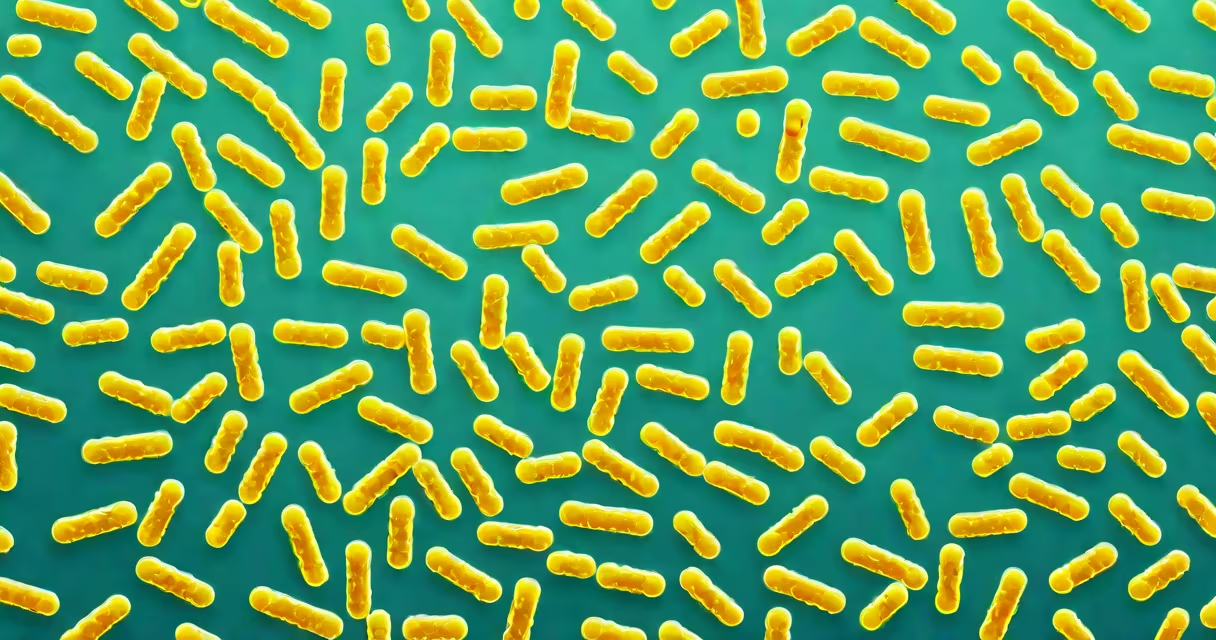
Names of uti bacteria refer to the specific microorganisms most frequently responsible for urinary tract infections, with Escherichia coli accounting for 75-90% of uncomplicated cases. These pathogens invade the urinary system through the urethra and multiply in the bladder or kidneys.
Most UTIs originate from bacteria that normally reside in the gastrointestinal tract. The most common species involved are Gram-negative rods such as E. coli, Klebsiella pneumoniae, and Proteus mirabilis. Less frequently, Gram-positive organisms like Enterococcus faecalis and Staphylococcus saprophyticus play a role, especially in young women with recurrent infections.
These microbes cause infection by adhering to uroepithelial cells using fimbriae-hair-like appendages that allow them to resist flushing during urination. Once attached, they produce toxins and enzymes that damage tissue and trigger inflammation, leading to symptoms like dysuria, frequency, and suprapubic pain.
Bacteria enter the urinary tract via the urethral opening, often due to poor hygiene, sexual activity, or catheter use. Once inside, they avoid immune detection by forming biofilms on the bladder wall or by expressing surface proteins that mimic host molecules.
E. coli uses P-fimbriae to bind to galactose residues on bladder cells. This binding allows the bacteria to invade epithelial cells and survive intracellularly, evading antibiotics and immune responses. A single E. coli strain can persist for weeks, leading to chronic or recurrent UTIs.
Proteus mirabilis produces urease, an enzyme that breaks down urea into ammonia and carbon dioxide. This raises urine pH, promoting stone formation and creating a favorable environment for further bacterial growth. In catheterized patients, this process contributes to obstructive complications.
The following table outlines the most common uropathogens, their prevalence, and key characteristics.
| Bacterium | Prevalence in UTI | Type | Key Traits |
|---|---|---|---|
| Escherichia coli | 75-90% | Gram-negative rod | Produces P-fimbriae; forms intracellular biofilms; resistant to many antibiotics |
| Klebsiella pneumoniae | 5-10% | Gram-negative rod | Highly antibiotic-resistant; associated with hospital-acquired UTIs |
| Proteus mirabilis | 3-5% | Gram-negative rod | Urease-positive; causes struvite stones; swarming motility |
| Enterococcus faecalis | 1-3% | Gram-positive coccus | Resistant to penicillin; common in catheter-associated infections |
| Staphylococcus saprophyticus | 1-2% | Gram-positive coccus | Common in sexually active young women; sensitive to trimethoprim-sulfamethoxazole |
Among these, E. coli remains the dominant pathogen in community-acquired UTIs. However, in hospitalized patients or those with indwelling catheters, multidrug-resistant strains of K. pneumoniae and E. faecalis are increasingly prevalent.
UTIs occur when bacteria reach the lower urinary tract (urethra, bladder) or upper tract (ureters, kidneys). Risk factors include female anatomy (shorter urethra), sexual intercourse, menopause, diabetes, and structural abnormalities.
Catheterization introduces bacteria directly into the bladder. A study published in Clinical Infectious Diseases found that 15% of catheterized patients develop bacteriuria within 48 hours, with E. coli and K. pneumoniae being the most common isolates.
One non-obvious fact: Not all bacteria found in urine indicate infection. Contamination during specimen collection can introduce skin flora like coagulase-negative staphylococci or Corynebacterium species. A diagnosis requires a threshold of ≥10⁵ colony-forming units per milliliter (CFU/mL) in a clean-catch urine sample.
Many assume that all bacteria in urine are harmful. But normal flora like Lactobacillus may be present in low numbers without causing disease. Similarly, asymptomatic bacteriuria-bacteria in urine without symptoms-is common in older adults and pregnant women and does not require treatment unless specific conditions apply.
Another confusion: Some people equate UTI with sexually transmitted infections (STIs). While sexual activity increases UTI risk, STIs like chlamydia or gonorrhea involve different pathogens and affect reproductive tissues, not the urinary tract directly. Testing for both is necessary when symptoms overlap.
I once observed a patient with persistent dysuria who had multiple negative urine cultures. After a 24-hour urine collection, we isolated E. coli at 1.2 × 10⁶ CFU/mL. The initial sample was contaminated with vaginal flora due to improper collection technique. This case highlights the importance of proper specimen handling when identifying names of uti bacteria.
Some conditions mimic UTI symptoms but lack bacterial presence. Interstitial cystitis causes bladder pain and urgency without infection. Overactive bladder syndrome leads to frequent urination without infection or inflammation. Distinguishing these requires clinical evaluation and culture results.
Also, certain bacteria like Candida albicans cause fungal UTIs, particularly in immunocompromised individuals or those with long-term catheters. Fungal UTIs are rare but require antifungals, not antibiotics.
Understanding the names of uti bacteria enables accurate diagnosis and targeted therapy. Misidentifying the causative organism can lead to ineffective treatment and increased resistance development. Always rely on culture and sensitivity testing-not symptom patterns alone-to determine the correct course of action.