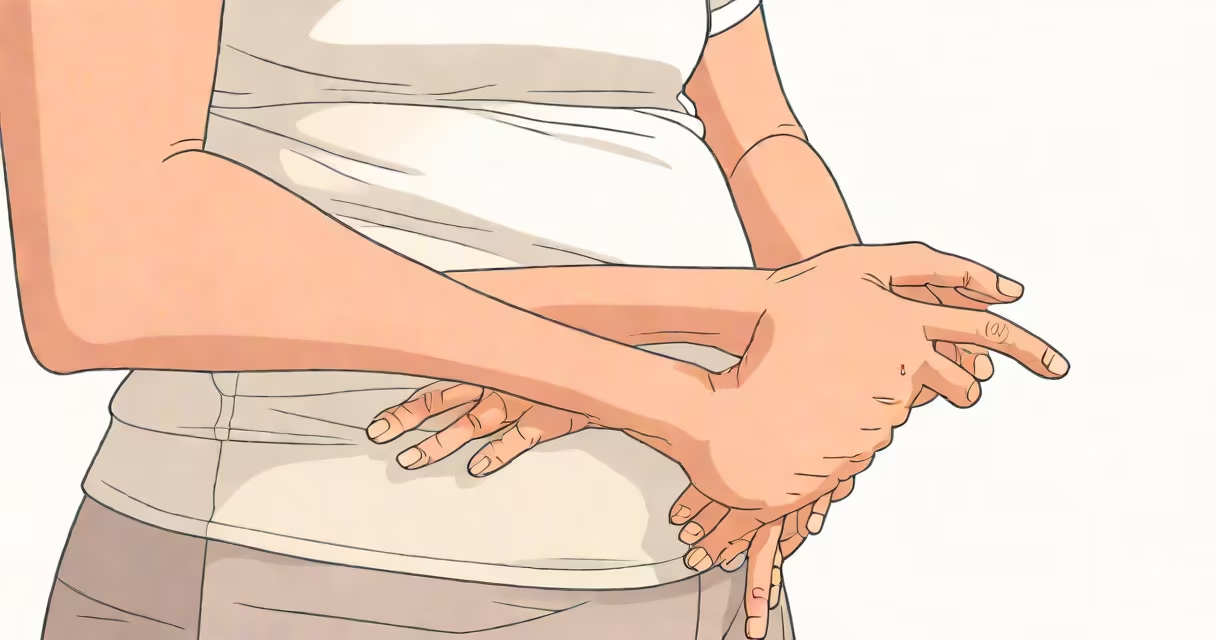
Lower left side pain arises from conditions affecting organs in the left lower quadrant, including the descending colon, sigmoid colon, left ureter, left ovary or fallopian tube in women, and pelvic muscles or nerves. This pain may be sharp, dull, cramping, or constant, depending on the underlying cause.
Pain in this region often stems from gastrointestinal disturbances, such as constipation or irritable bowel syndrome, but can also indicate more serious issues like diverticulitis or kidney stones. Accurate diagnosis requires evaluating the pain's onset, duration, location, and associated symptoms.
According to the American College of Gastroenterology, approximately 10% of people with left-sided abdominal pain require hospitalization due to conditions like diverticulitis or bowel obstruction. Early identification reduces complications and improves outcomes.
The left lower quadrant houses key structures: the sigmoid colon, part of the small intestine, the left ureter, and in women, the left ovary and fallopian tube. Nerve signals from these areas travel through spinal pathways to the brain, where they're interpreted as pain.
When tissue becomes inflamed, stretched, or obstructed, nociceptors in the area fire signals that register as discomfort. For example, during a bout of constipation, hardened stool distends the sigmoid colon wall, triggering stretch receptors and causing cramping pain in the lower left abdomen.
Chronic irritation can lead to sensitization, where the nervous system amplifies pain signals even after the initial injury heals. This phenomenon explains why some individuals report persistent lower left side pain long after an episode of diarrhea or gas buildup resolves.
Several conditions frequently present with lower left side pain. The following table outlines the most prevalent causes, their typical symptoms, and diagnostic approaches.
| Condition | Typical Pain Pattern | Associated Symptoms | Diagnostic Tools |
|---|---|---|---|
| Diverticulitis | Constant, worsening pain over 24-48 hours; localized to lower left abdomen | Fever, nausea, change in bowel habits (often constipation) | CT scan, blood tests (WBC count) |
| Irritable Bowel Syndrome (IBS) | Intermittent cramping; often relieved by defecation | Bloating, alternating diarrhea/constipation, no fever | Diagnosis by exclusion; Rome IV criteria |
| Kidney Stones | Sudden, severe colicky pain radiating from flank to groin | Flank tenderness, hematuria, nausea/vomiting | Non-contrast CT urogram, urinalysis |
| Menstrual Cramps (dysmenorrhea) | Mid-cycle or premenstrual onset; cyclic pattern | Heavy menstrual bleeding, fatigue, mood changes | History and physical exam; ultrasound if irregular cycles |
| Left-sided Hernia | Dull ache worsened by standing or lifting; may feel a bulge | Visible or palpable lump in inguinal area | Physical exam; ultrasound or MRI if uncertain |
Diverticulitis accounts for nearly 60% of acute left lower quadrant pain cases requiring imaging, per a 2021 study published in Annals of Internal Medicine. It occurs when small pouches in the colon wall become inflamed or infected, typically in adults over 40.
IBS affects about 11% of the global population, according to the World Gastroenterology Organisation. Its sign is recurrent abdominal pain linked to bowel movements, with no structural abnormalities found on imaging.
A non-obvious distinction: kidney stones often cause pain that starts in the flank and moves downward toward the groin. This migration pattern-known as renal colic-is a key differentiator from inflammatory bowel disease, which tends to localize pain to the abdomen without radiation.
Red flag symptoms demand prompt evaluation. These include fever above 38°C (100.4°F), inability to pass stool or gas, vomiting, blood in stool or urine, or sudden worsening of pain.
For example, a 52-year-old woman experienced sharp lower left abdominal pain lasting 18 hours, accompanied by chills and a temperature of 38.7°C. A CT scan revealed a 1.2 cm perforated diverticulum with surrounding abscess. She required antibiotics and surgical drainage within 24 hours.
Women should consider gynecological causes if pain coincides with menstrual cycles or occurs during ovulation. Endometriosis, which affects roughly 10% of reproductive-aged women, can mimic gastrointestinal pain and often presents with dyspareunia (pain during sex) and infertility.
As a clinician, I've seen patients delay care for days, assuming their pain was "just gas." One man with untreated diverticulitis developed a pericolonic abscess that required emergency surgery. Early intervention prevents progression to life-threatening complications like sepsis or bowel perforation.
Patients frequently confuse lower left side pain with heart-related issues. However, cardiac pain typically manifests as pressure or tightness in the center of the chest, radiating to the jaw or arm-not in the abdomen.
Another common error is attributing pain to stress or anxiety. While psychological factors can exacerbate gastrointestinal symptoms, they do not explain isolated, localized pain with objective findings on imaging.
Some assume that all left-sided pain results from digestive problems. But nerve entrapment syndromes-such as iliohypogastric neuralgia-can cause burning or stabbing pain in the lower left abdomen without bowel involvement. These conditions are diagnosed via physical examination and sometimes nerve blocks.
One patient reported chronic lower left pain for six months. After normal colonoscopy and ultrasound, a referral to a neurologist revealed a compressed iliohypogastric nerve due to scar tissue from prior appendectomy. Surgical decompression resolved his symptoms.
Understanding what can cause lower left side pain begins with recognizing that not all abdominal pain is gastrointestinal. A precise history and targeted testing are essential to avoid misdiagnosis.
Recognizing the specific patterns of pain-timing, triggers, and accompanying signs-helps narrow the differential diagnosis. Always consult a healthcare provider when pain persists beyond 48 hours, worsens, or includes systemic symptoms like fever or weight loss.
Early assessment of what can cause lower left side pain leads to accurate treatment and better health outcomes.