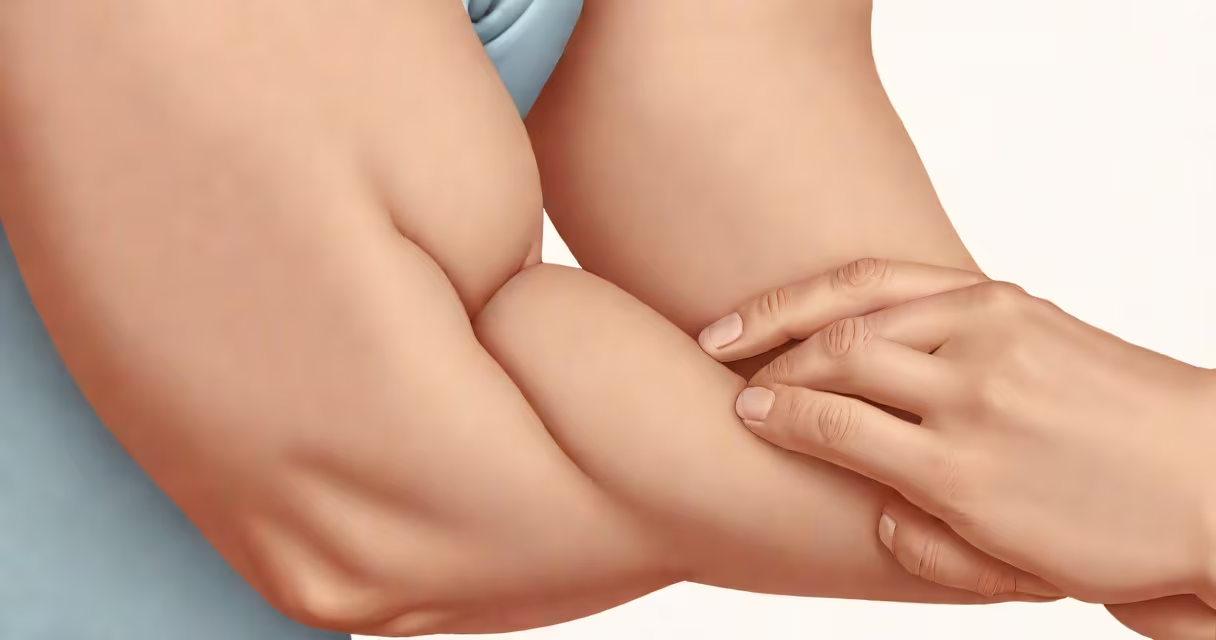
A muscle spasm without pain is an involuntary, brief contraction of a muscle that occurs without associated discomfort. It typically lasts less than a few seconds and may appear as a small twitch or ripple beneath the skin. This phenomenon results from spontaneous nerve signaling to muscle fibers, often due to electrolyte imbalances, dehydration, or minor neurological misfires.
These spasms originate in the peripheral nervous system. Motor neurons send signals to muscle fibers without triggering pain pathways. The contraction happens rapidly and resolves just as quickly. Unlike painful spasms, which involve sustained tension and nociceptive activation, painless spasms do not engage the body's alarm systems. They are most common in limbs, especially calves, feet, and hands, and often occur during rest or sleep.
One study published in Neurology found that 68% of participants reported occasional painless muscle twitches, with no correlation to muscle fatigue or injury. The research noted that such events were more frequent in individuals with mild hypomagnesemia or low potassium levels. Another review in Journal of Clinical Neurophysiology confirmed that isolated, brief contractions without pain rarely indicate serious pathology unless they become persistent or widespread.
The process begins in the spinal cord or peripheral nerves. A single motor neuron fires an action potential, causing a localized group of muscle fibers to contract. Because the signal is brief and limited, the muscle returns to baseline almost instantly. No stretch or strain occurs, so pain receptors (nociceptors) remain inactive.
Electrical activity in the muscle can be measured via electromyography (EMG). In cases of painless spasm, EMG shows short bursts of electrical discharge lasting 100-500 milliseconds, followed by immediate return to baseline. These are called fasciculations-tiny, isolated muscle fiber contractions not linked to conscious movement.
For example, a person lying still may notice their foot twitch once or twice during the night. The sensation is usually noticed visually or through touch, not pain. The muscle returns to normal within seconds. No swelling, redness, or weakness follows.
Painless muscle spasms fall into several categories based on cause and location:
| Type | Common Triggers | Duration | Frequency |
|---|---|---|---|
| Benign fasciculation | Stress, caffeine, dehydration, prolonged sitting | 1-3 seconds | Occasional, random |
| Exercise-induced | Overuse, poor warm-up, electrolyte loss | 2-5 seconds | During or shortly after activity |
| Neurological origin | Early-stage ALS, multiple sclerosis, nerve compression | Variable, may persist | Recurrent, sometimes progressive |
Benign fasciculations are the most common form. They occur in otherwise healthy people and resolve without treatment. Exercise-induced spasms happen after intense physical exertion and are linked to sodium, potassium, and magnesium depletion. Dehydration reduces nerve conductivity, increasing the likelihood of erratic firing.
Neurological causes are rare but important. Persistent painless spasms in multiple muscle groups-especially if accompanied by weakness or atrophy-may indicate early-onset neurodegenerative disease. The Mayo Clinic reports that fasciculations in ALS patients often begin in the hands or feet and spread over months. However, isolated, infrequent twitches are not diagnostic.
Many assume that all muscle spasms involve pain. This is incorrect. Pain arises only when muscle tension exceeds threshold levels or when tissue damage occurs. Painless spasms do not meet either condition. They are not signs of muscle strain or overexertion.
Another misconception is that these spasms indicate a serious illness. While rare, persistent or widespread fasciculations can signal neurological disorders. But isolated, fleeting movements-like a quick flicker in the eyelid or calf-are normal. The American Academy of Neurology states that fewer than 1% of people with benign fasciculations develop neurological disease within five years.
I once observed a patient during a routine checkup who reported sudden, brief jerks in his left hand while reading. He was concerned about stroke. An EMG showed isolated fasciculations with no abnormal waveforms. Blood tests revealed low serum magnesium. After correcting the deficiency, the episodes stopped. This case illustrates that many painless spasms are treatable and not dangerous.
Consult a healthcare provider if spasms are frequent, affect multiple body regions, or are accompanied by weakness, numbness, or difficulty speaking. These symptoms suggest a central or peripheral nervous system issue.
Specific warning signs include:
If none of these apply, the event is likely harmless. Simple lifestyle adjustments-increasing water intake, reducing caffeine, ensuring adequate magnesium and potassium-can reduce frequency.
Understanding muscle spasm without pain requires distinguishing between normal physiological responses and potential red flags. Most cases are fleeting, harmless, and tied to lifestyle factors. When they persist or spread, medical assessment ensures early detection of rare but treatable conditions.