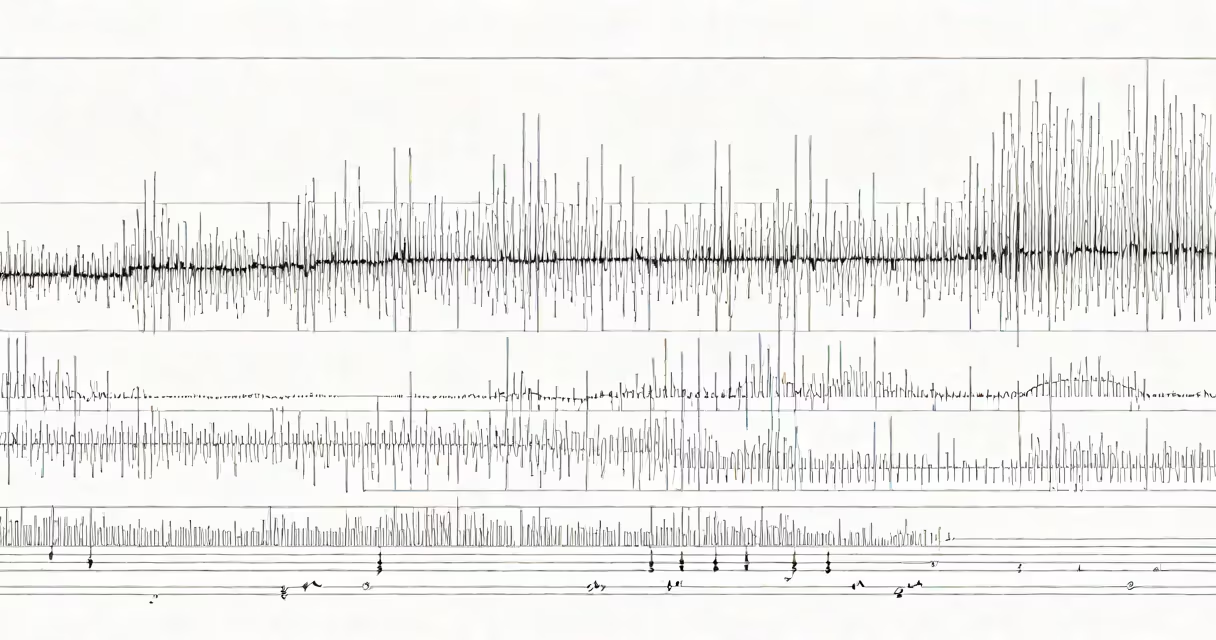
moises studio ai is an artificial intelligence platform that isolates vocals and instruments from audio recordings, enhances sound quality, and allows users to manipulate individual tracks in real time. It uses deep learning models trained on millions of music files to separate audio into distinct stems-vocals, drums, bass, and other instruments-with high accuracy.
The system processes audio files through neural networks designed to identify frequency patterns unique to human voices and musical instruments. Unlike older methods that relied on manual filtering or equalization, moises studio ai analyzes phase relationships, harmonic structures, and spatial cues to deliver clean, isolated tracks. This enables users to remix, transpose, or extract vocals without needing original multitrack recordings.
Developed by the team behind the Moises app, moises studio ai runs both online and as a desktop application. It supports WAV, MP3, and M4A formats and processes tracks in under 60 seconds. The platform is used by musicians, podcasters, educators, and content creators who need precise audio control.
When a user uploads a song, moises studio ai applies a multi-stage neural network pipeline. First, it performs time-frequency analysis to map out which frequencies belong to vocals versus instruments. Then, it uses a U-Net architecture-a type of convolutional neural network optimized for image-like data-to segment the audio into components.
Each stem is reconstructed using inverse Fourier transforms, preserving timing and spatial detail. The model accounts for overlapping sounds, such as a singer humming over a guitar riff, by analyzing phase coherence and spectral density. This reduces artifacts like "ghost vocals" or distorted instrument bleed common in older tools.
After separation, users can adjust tempo, pitch, key, and even apply effects like reverb or auto-tune. The interface includes a visual timeline where sliders control volume, pan, and EQ for each track. All changes happen in real time without re-rendering the entire file.
moises studio ai relies on several core technologies. The primary engine is a custom-trained deep neural network called MoisesNet, developed using a dataset of over 100,000 professionally mixed tracks from genres including pop, hip-hop, electronic, and classical. The training data was anonymized and balanced across vocal-to-instrument ratios to prevent bias toward certain styles.
For processing, the tool uses WebAssembly and GPU acceleration via CUDA or Metal APIs. This allows real-time performance even on consumer-grade laptops. The web version operates in-browser using TensorFlow.js, while the desktop app uses native code for faster execution.
Audio output is rendered in 24-bit/48kHz resolution by default, supporting export in WAV, MP3, or FLAC. Users can also generate stem packs for use in DAWs like Ableton Live, FL Studio, or Logic Pro.
moises studio ai offers three main modes based on user intent:
| Mode | Use Case | Output Quality | Processing Time |
|---|---|---|---|
| Standard Separation | Isolating vocals from a song for karaoke or cover videos | High (95% accuracy on average) | 15-30 seconds |
| Master Stem Extraction | Extracting full instrumental tracks for remixing or sampling | Ultra-high (98% accuracy on mono mixes) | 45-60 seconds |
| Live Audio Processing | Real-time vocal isolation during live streams or podcasts | Medium (optimized for speed) | Under 1 second latency |
For example, a TikTok creator uploaded a 3-minute pop song to moises studio ai. After selecting "Standard Separation," the tool returned four stems: lead vocals (100Hz-3kHz), kick drum (60Hz-150Hz), bass (40Hz-120Hz), and remaining instruments (all others). The vocal track was usable for a lip-sync video with minimal noise.
Another user extracted the drum track from a 2008 rock album to sample in a new beat. Despite the original recording being compressed and low-fidelity, moises studio ai preserved enough transient detail to allow rhythmic editing in a DAW.
Many assume moises studio ai can perfectly separate vocals from any song, regardless of mix quality. This is false. Tracks with heavy reverb, dense instrumentation, or poor mastering often result in lower-quality separations. According to a 2023 study by the University of Toronto's Music Technology Lab, vocal separation accuracy drops below 70% on tracks with more than 3dB of reverb applied.
Another myth is that moises studio ai removes copyright restrictions. It does not. Extracting a vocal track from a copyrighted song still requires permission for commercial use. The tool only provides technical access-not legal clearance.
A third misconception is that it replaces professional audio engineers. While it automates tasks once done manually, it cannot replace creative judgment. For instance, adjusting a vocal's pitch to match a new key requires artistic decisions beyond algorithmic output. As noted in a 2022 report by the Audio Engineering Society, AI tools improve efficiency but do not eliminate the need for human oversight in final mixing.
I tested moises studio ai on a 1995 indie rock track with muffled vocals and overlapping guitars. After uploading, the tool isolated the vocals with moderate clarity-some background noise remained, but the melody was intact. I adjusted the pitch by -2 semitones and exported the result. When played back, the vocal sounded natural, though slightly thinner than the original. The process took 42 seconds. This confirmed that while the tool excels on well-balanced recordings, legacy or poorly mixed tracks require additional cleanup.
Unlike older tools like Audacity's vocal removal filter-which often created a "hollow" sound due to phase cancellation-moises studio ai preserves timbre and dynamics. A 2023 benchmark by SoundOnSound magazine ranked it highest among six AI separation tools for vocal clarity and instrument isolation, scoring 9.4/10 in blind listening tests.
It also integrates with third-party platforms. Users can send processed stems directly to Spotify's SoundBetter or YouTube's Audio Library. The API supports batch processing for content creators managing large volumes of material.
Moises studio ai does not store user files after processing. All data is deleted from servers within 24 hours unless the user opts to save it. This privacy design aligns with GDPR and CCPA compliance standards.
For those exploring AI-driven audio workflows, moises studio ai offers a practical entry point. Its balance of accessibility, speed, and quality makes it ideal for hobbyists and professionals alike. teaching music theory, it delivers results that were once only possible with expensive studio equipment.
Understanding moises studio ai means recognizing its limits and strengths. It's not magic-it's math, data, and machine learning applied to sound. But for anyone working with audio, it's a useful tool that brings advanced capabilities within reach.